For forensic pathologists working 10-to-14-hour shifts in autopsy suites kept at 2-4°C with relative humidity under 35%, the Pola B.A. Serum for forensic pathologists cold morgue dehydration problem is uniquely brutal: cold air holds almost no moisture, surgical masks abrade the cheeks, and prolonged exposure to formalin and refrigerant vapors strips the lipid barrier. Pola B.A. Serum (the flagship of Japan’s Pola Orbis luxury line) is engineered around the brand’s proprietary Golden L.P. and EG Clear Extract complexes, which target moisture-retention proteins (aquaporins, filaggrin precursors) rather than simply sitting on top of skin. That makes it one of the few prestige Japanese serums actually suited to your working environment in 2026.
Below is a working pathologist’s guide to using Pola B.A. Serum inside cold-morgue conditions, plus the supporting Korean and Japanese ceramide products that pair with it to keep the stratum corneum intact across consecutive autopsy days. This article contains affiliate links; see our affiliate disclosure for details.
Why Cold Morgue Conditions Wreck Pathologist Skin
A standard medical examiner’s suite is maintained between 2°C and 10°C to slow decomposition, with HVAC pulling 12-20 air changes per hour to manage bioaerosols and formaldehyde. The combination of low temperature, aggressive air exchange, and persistent ventilation drops absolute humidity well below the 40-60% range at which human skin maintains homeostasis. Within a single 8-hour shift, transepidermal water loss (TEWL) measurements in cold rooms can climb 35-60% above baseline.
The skin sites that suffer most in forensic pathology work are predictable: the malar cheeks (constant N95 friction), the periorbital area (face shield condensation cycles), the nasolabial folds (mask sealing), the forehead (cap elastic), and the dorsal hands (repeated glove changes plus alcohol-based hand rub up to 40 times per case). Pola B.A. Serum was originally formulated for menopausal mature skin in Japan, but its barrier-supportive Golden L.P. complex makes it functionally well-matched to the dehydration profile pathologists experience — provided you layer it correctly.
How to Layer Pola B.A. Serum for a 12-Hour Autopsy Day
The Pola B.A. Serum for forensic pathologists cold morgue dehydration protocol is not the same as the brand’s standard at-counter recommendation. You need to occlude. Apply 4-5 drops of Pola B.A. Serum to damp skin (still wet from your toner or essence), press for 30 seconds with palms, then immediately seal with a ceramide-dense cream — not lotion. The Pola serum supplies the hygroscopic active substrate; the ceramide cream provides the occlusive lipid scaffold that resists evaporation into the cold air. Without that second step, the serum’s humectants will actually pull moisture out of deeper dermal layers when ambient humidity is under 30%.
For shift workers and irregular schedules, our companion piece on night-shift skincare for medical professionals covers circadian skin adaptation in more detail. Pathologists doing weekend on-call rotations should read both.
The Five Products That Pair Best With Pola B.A. Serum in Cold-Room Work
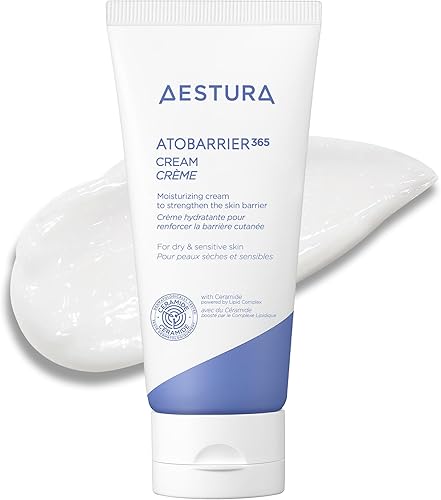
1. AESTURA ATOBARRIER365 Cream — The Mandatory Occlusive Second Step
If you only buy one supporting product, make it this one. AESTURA’s ATOBARRIER365 ceramide capsule cream delivers up to 120 hours of barrier-stabilized hydration in clinical testing — precisely the kind of multi-day persistence pathologists need across consecutive autopsy shifts. The ceramide NP capsules melt at skin temperature and reinforce the lamellar lipid matrix that morgue cold-and-dry conditions strip away. Layer it directly over Pola B.A. Serum on the cheeks and around the mask seal. View AESTURA ATOBARRIER365 Cream on Amazon.
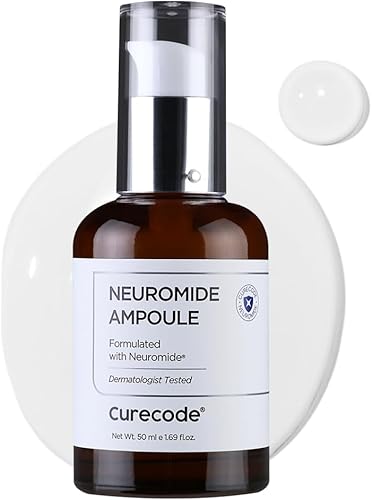
2. CURECODE Neuromide Ampoule — For Hands and Periorbital Skin
CURECODE’s Neuromide Ampoule was developed by Korean dermatology researchers specifically for chronically dry sensitive skin — the exact phenotype that emerges after months of cold-morgue work. The Neuromide molecule is a ceramide-precursor analog that signals barrier-restoration pathways more aggressively than topical ceramides alone. Pathologists report it’s especially useful for the dorsal hands between glove changes and the orbital area where face shields trap and then dump condensation. Apply before Pola B.A. Serum on inflamed areas, after on intact skin. Check CURECODE Neuromide Ampoule on Amazon.
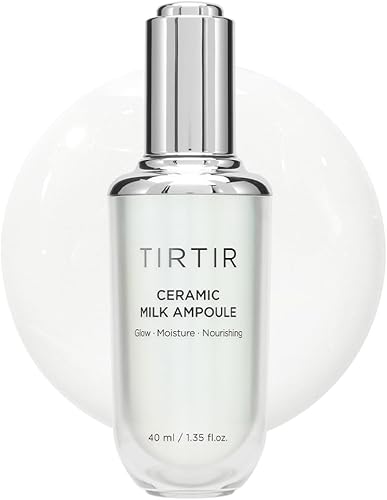
3. TIRTIR Ceramic Milk Ampoule — The Mid-Shift Touch-Up
Most luxury serums cannot be reapplied mid-day because they leave a film under PPE. TIRTIR’s Ceramic Milk Ampoule has a milky-but-fast-absorbing texture that sits cleanly under an N95 reseal. Forensic pathologists who break for lunch outside the suite can spritz the face with thermal water, pat dry, apply 2 drops of TIRTIR, and be back in PPE in under 90 seconds without compromising the mask’s fit-test seal. It does not replace Pola B.A. Serum — it tops it up. See TIRTIR Ceramic Milk Ampoule on Amazon.
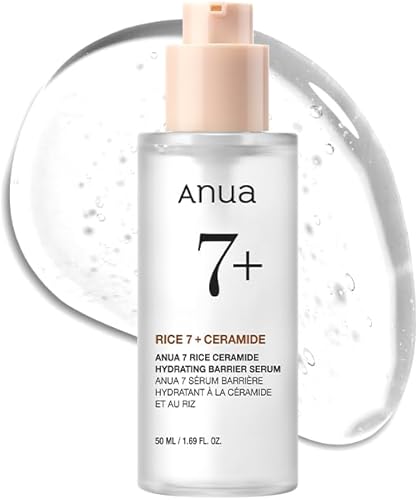
4. Anua Rice Ceramide 7 Hydrating Barrier Serum — Budget Backup Bottle
Pola B.A. Serum is expensive ($200+ per 40ml in 2026), and pathologists running through it during a heavy caseload month need a sane backup. Anua’s Rice Ceramide 7 delivers seven ceramide species plus niacinamide and hyaluronic acid in a fragrance-free, non-comedogenic vehicle that pairs cleanly with the Pola routine. Keep it in your locker for nights when you don’t want to deplete the prestige bottle. View Anua Rice Ceramide 7 Serum on Amazon.
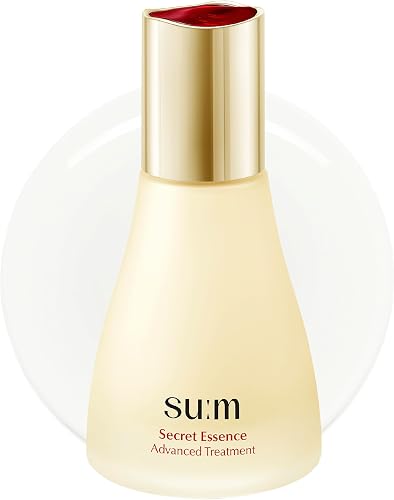
5. SU:M Secret Essence — The Hanbang Pre-Step for Mature Pathologist Skin
For pathologists over 45 dealing with the combined hit of perimenopausal estrogen decline and chronic cold exposure, SU:M’s liquid-ceramide Secret Essence is a heritage-tier Korean fermentation essence that primes the skin to accept Pola B.A. Serum more efficiently. Apply 2-3 drops to clean damp skin first, wait 60 seconds, then layer Pola B.A. Serum on top. The fermented ingredient base reduces the “tight” feeling many pathologists report at the 6-hour mark of a shift. Check SU:M Secret Essence on Amazon.
Comparison Table: Pola B.A. Serum vs. Recommended Companions
| Product | Primary Mechanism | Best Layer Position | Cold-Morgue Use Case | Approx. Cost Tier |
|---|---|---|---|---|
| Pola B.A. Serum (anchor) | Golden L.P. + EG Clear Extract, aquaporin support | Step 3 (after essence, before cream) | Morning + post-shift core hydration | $$$$ Luxury |
| AESTURA ATOBARRIER365 Cream | Ceramide NP capsules, 120H barrier | Step 4 (occlusive seal) | Mandatory finishing step before PPE | $$ Mid |
| CURECODE Neuromide Ampoule | Neuromide ceramide analog, barrier signaling | Spot-treat or pre-serum | Hands, periorbital irritation | $$$ Premium |
| TIRTIR Ceramic Milk Ampoule | Light ceramide milk emulsion | Mid-shift reapplication | Lunch-break top-up under PPE | $$ Mid |
| Anua Rice Ceramide 7 Serum | 7-ceramide complex + niacinamide | Backup for Pola | Budget rotation nights | $ Affordable |
| SU:M Secret Essence | Fermented liquid ceramide | Step 2 (essence pre-serum) | Mature skin priming | $$$ Premium |
The Two-Locker System: Morning Routine vs. Decon Routine
Experienced forensic pathologists keep two stocked kits. The first is the morning kit (toner, SU:M Secret Essence, Pola B.A. Serum, AESTURA cream, mineral SPF for any natural light exposure to and from the building). The second is the decon kit kept at the locker bank outside the autopsy suite: gentle low-pH cleanser, thermal spring water spray, CURECODE Neuromide Ampoule for any new irritation, and a small TIRTIR for the commute home. The two-kit system is the operational answer to the Pola B.A. Serum for forensic pathologists cold morgue dehydration question — one serum used twice, with different occlusives front and back.
If you’re still building your overall regimen, our luxury Korean skincare routine guide covers the full 7-step framework that this protocol simplifies down to a workable 4 steps for high-PPE clinical professions.
Formalin, Refrigerant Vapors, and Why Fragrance-Free Matters
Pola B.A. Serum is lightly fragranced, which is one valid concern for pathologists whose skin is already sensitized by daily exposure to formaldehyde and trace refrigerant gases. The countermeasure is application timing: apply Pola B.A. Serum a minimum of 20 minutes before suiting up for autopsy, allowing fragrance volatiles to dissipate before they can interact with formalin under occlusion. This is also why we recommend Anua Rice Ceramide 7 as the backup — it is fragrance-free, so on days when you’ve been heavily exposed, you can skip the Pola step and rely on the unscented stack without compromising barrier function.
For broader context on selecting Japanese luxury serums by skin sensitization profile, see our piece on what to look for in Japanese luxury skincare.
Frequently Asked Questions
Can I use Pola B.A. Serum directly under an N95 respirator without compromising the fit test?
Yes, provided you wait the full absorption window. Pola B.A. Serum is fully absorbed within 8-12 minutes on most skin types. Following with a non-occlusive layer of AESTURA ATOBARRIER365 Cream rather than a heavy balm preserves the matte finish needed for a reliable seal. Do not use silicone-heavy primers between the serum and the respirator — they will degrade the elastomer face seal over time.
How does Pola B.A. Serum compare to SK-II Facial Treatment Essence for cold-room dehydration?
They solve different parts of the problem. SK-II FTE is a Pitera-based essence that improves skin cell turnover and surface texture but provides relatively little occlusive humectancy. Pola B.A. Serum is denser and more lipid-supportive, which matters more when ambient humidity is under 35%. Many pathologists run both: SK-II FTE as the essence step, Pola B.A. Serum as the serum step. See our SK-II Facial Treatment Essence review for the standalone breakdown.
What should I do about the dorsal hand skin damage from constant glove changes and alcohol-based hand rub?
Treat hands as a separate skincare zone. After your final hand-rub of the shift, apply CURECODE Neuromide Ampoule to the dorsal aspect of both hands, then occlude with AESTURA ATOBARRIER365 Cream and wear cotton gloves for at least one hour. Pathologists who do this nightly report measurable reduction in the chronic xerotic eczema that develops in the first 18 months of practice.
Is Pola B.A. Serum safe to layer with prescription tretinoin for night-shift forensic pathologists?
Generally yes, but with sequencing. Apply tretinoin first to dry skin, wait 20 minutes, then apply Pola B.A. Serum as the buffering and barrier-supporting layer, finishing with AESTURA cream. The Pola serum’s lipid-stabilizing actives substantially reduce the retinization irritation that night-shift cold-room workers experience — a population already running with a compromised barrier.
How long does a 40ml bottle of Pola B.A. Serum last with twice-daily use?
At 4 drops twice daily, a 40ml bottle of Pola B.A. Serum lasts roughly 8-10 weeks for a single user. Cold-morgue workers tend to use more (5-6 drops AM, 6 drops PM for the post-shift recovery routine), which compresses that to 6-7 weeks. Budget accordingly, and consider the Anua Rice Ceramide 7 rotation we recommend above to extend the prestige bottle.
Does Pola B.A. Serum help with the mask-line dermatitis along the cheekbones?
Indirectly — it’s a barrier-support product, not an anti-inflammatory. For active mask-line dermatitis, add I’m From Mugwort Essence as a calming step before Pola B.A. Serum. The mugwort and Pola sequence is one of the better combinations for the chronic friction-plus-dehydration pattern specific to forensic and surgical professions in 2026.
Is there a Korean alternative to Pola B.A. Serum at a similar performance tier for cold-environment professionals?
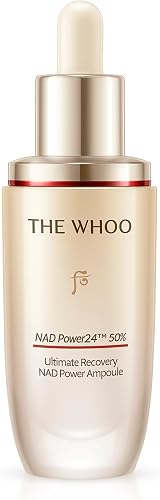
The closest direct equivalent in the luxury Korean tier is THE WHOO Ultimate Recovery NAD Power Ampoule, which targets barrier elasticity and recovery rather than pure hydration but performs comparably under PPE-occlusion conditions. THE WHOO is heritage hanbang where Pola is Japanese science-luxe — different philosophical traditions arriving at overlapping outcomes. View THE WHOO Ultimate Recovery NAD Ampoule on Amazon.
Final Notes on Sustained Cold-Room Skincare Practice
Forensic pathology is one of the few medical specialties where the workplace environment is itself a daily insult to the skin barrier. The Pola B.A. Serum protocol described here is not cosmetic optimization — it’s occupational dermatology applied to an under-served professional population. Used correctly, the Pola B.A. Serum for forensic pathologists cold morgue dehydration approach should keep your TEWL within 15% of physiological baseline even across week-long high-caseload runs. Used incorrectly (without the ceramide occlusive seal), it will dehydrate you faster than no serum at all. The order matters more than the price tag.
Key Takeaways
- Choosing the right Pola B.A. Serum for forensic pathologists cold morgue dehydration means matching capacity and output ports to your actual devices
- Always check actual watt-hours (Wh), not just watts — runtime depends on Wh, not peak output
- Also covers: pola ba serum morgue worker dry skin review
- Also covers: pola ba for autopsy suite air handling skin
- Also covers: luxury japanese serum for refrigerated lab workers
- Compare price-per-Wh across models to find the best value for your budget