As an Amazon Associate this site earns from qualifying purchases.
If you are searching for a real-world plan for using IOPE Retinol Expert for rotating night-shift ICU nurses, here is the short answer: treat your "night" as whenever you sleep, not whenever the sun is down. Apply IOPE Retinol Expert on the evening before a stretch of days off (or on the morning you crash after a 12-hour shift), buffer it with a ceramide-rich Korean moisturizer, and skip it entirely on the two nights before a shift block when your skin is already inflamed from masks, dry hospital air, and broken sleep. This 2026 guide walks through the schedule, the pairings, and the supporting K-beauty products that actually survive ICU life.
Why night-shift ICU skin is its own category
A rotating 12-hour ICU schedule destroys the assumptions most retinol guides are built on. You are not applying a serum, going to sleep at 11 p.m., and waking at 7. You are pulling N95 straps over irritated cheeks for twelve hours, washing your face under fluorescent lights at 7:45 a.m., then trying to sleep through blackout curtains while your cortisol crashes. Your circadian rhythm — which governs skin barrier repair, transepidermal water loss, and cell turnover — is flipped, then flipped back, then flipped again, sometimes within the same week.
IOPE Retinol Expert is a stabilized retinol designed for nightly use, but "nightly" is the wrong unit of measurement for a nurse on a 3-on-4-off or 7-on-7-off rotation. The right unit is sleep cycle preceded by clean skin and followed by uninterrupted barrier repair time. That is the framework this whole article is built around.
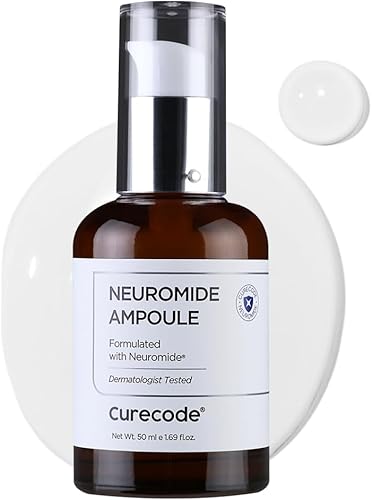
- INTENSE MOISTURE & SKIN BARRIER REPAIR - Formulated with a powerful combination of Ceramide and Neuromide to deeply hydrate dry sensitive skin, effectively restoring and
- PREMIUM NIACINAMIDE GLOW & RADIANCE - Infused with high-performance Niacinamide to brighten dull skin, refine uneven skin tone, and improve overall clarity for a luminous
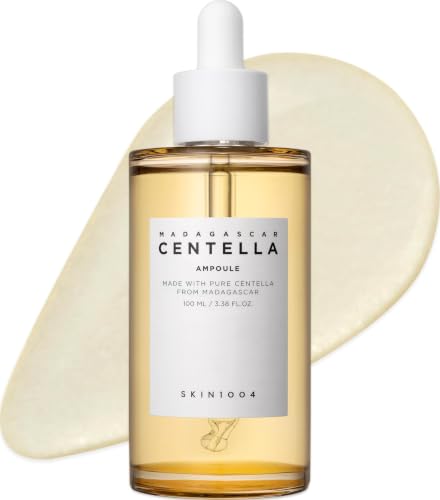
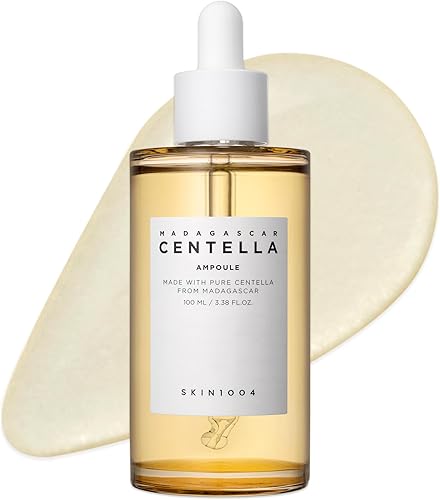
- MADAGASCAR CENTELLA AMPOULE - Formulated with pure Centella Asiatica extract sourced from Madagascar, this centella ampoule helps calm delicate skin, supports balance, and leaves
- HYDRATING SERUM WITH BARRIER CARE - This lightweight hydrating serum absorbs quickly without stickiness, replenishing moisture for lasting softness and protection
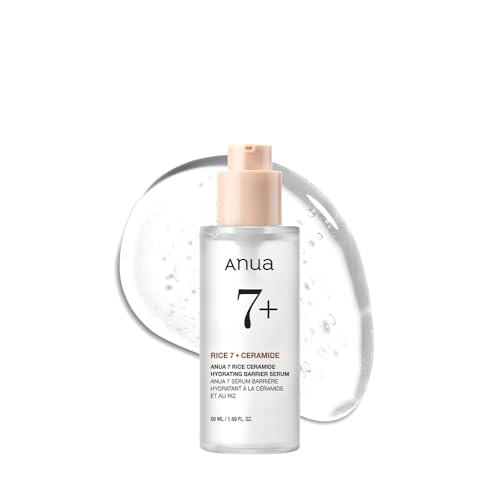
- [Daily Korean Serum] Formulated with 3% Niacinamide and Arbutin to hydrate and balance skin, helping achieve a clear, refreshed look like washing with rice water, suitable for
- [Unique Elastic Texture] A blend of Honey Extract and Rice Extract creates an elastic, moisture-rich texture that delivers hydration while absorbing quickly with a fresh
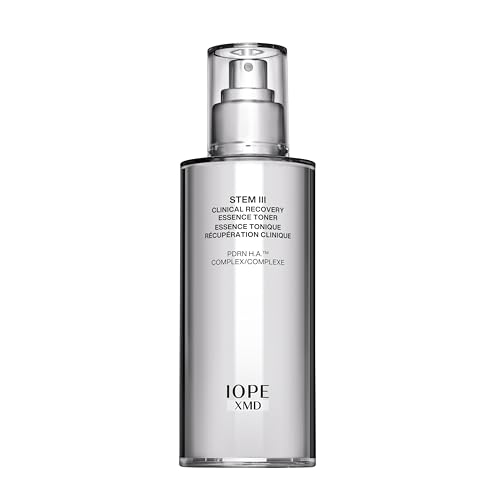
- A pre-treatment inspired essence toner that combines the hydration of a serum with the refreshing feel of a toner. Designed to balance, soothe, and prime the skin to support
- Delivers three-in-one daily benefits: intense hydration, immediate soothing for stressed skin, and moisture barrier support. It leaves the complexion looking refreshed and
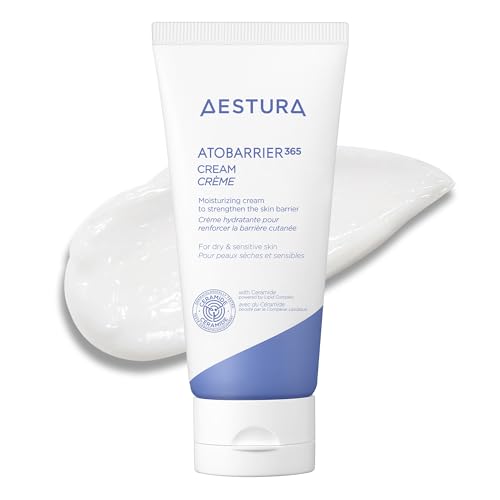
- PATENTED BARRIER-BOOSTING CERAMIDE CAPSULES: High-density ceramides are delivered to skin through unique capsule technology that help replenish moisture barrier in sensitive skin
- TRIPLE LIPID COMPLEX: A powerful blend of ceramides, fatty acids, and cholesterol helps strengthen the skin barrier, locking in moisture and protecting against external aggressors
The pairings: products that protect a retinol-treated barrier
Retinol works by accelerating cell turnover. That is also what makes a stripped barrier — the exact thing N95 friction, surgical mask elastic, hand sanitizer aerosolizing in your face, and dry HVAC air will exploit. Your supporting cast matters more than the active itself. Here are the products I'd build around IOPE Retinol Expert for rotating night-shift ICU nurses.
Comparison: barrier and recovery layers for retinol nights
| Product | Best for | Layer order | Texture |
|---|---|---|---|
| AESTURA ATOBARRIER365 Cream | Sealing in retinol, mask friction recovery | Last step | Rich ceramide cream |
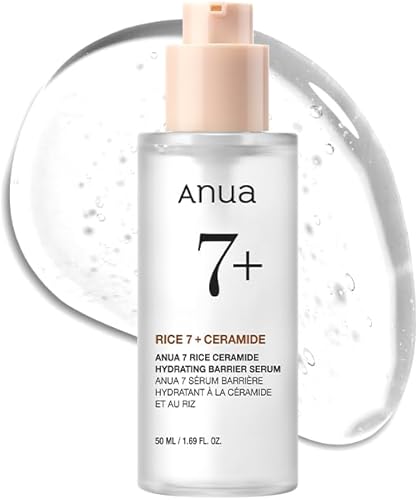
| Anua Rice Ceramide 7 Serum | Mid-routine barrier buffer | Before retinol or after | Lightweight, fragrance-free |
| SKIN1004 Madagascar Centella Ampoule | Calming redness from mask wear | After toner | Watery, fast-absorbing |
| CURECODE Neuromide Ampoule | Reactive, retinol-sensitized skin | Replaces retinol on skip nights | Hydrating, neuromide-focused |
| IOPE XMD Stem III Recovery Essence Toner | Pre-treatment prep on retinol nights | First step after cleanse | Toner-essence hybrid |
The schedule: when to actually use IOPE Retinol Expert
For IOPE Retinol Expert for rotating night-shift ICU nurses, the practical rule is simple: apply it before your longest sleep of the rotation, and never the night before a shift where you'll be masked for 12+ hours. Concretely:
- Pre-days-off morning crash: You finish a night shift at 7 a.m., come home, do your full routine including IOPE Retinol Expert, then sleep until 3 p.m. The 8 hours of dark, undisturbed sleep give the retinol a real recovery window.
- True nights off: If you have a normal evening at home with no shift the next day, apply before bed at 10 or 11 p.m. as a typical user would.
- Skip nights: The evening before a 12-hour shift, and any night where you'll only sleep 4–5 hours. Retinol on a barrier that won't have time to recalibrate is how nurses end up with cheek flaking under their N95s.
Most ICU nurses I've seen sustain about 2–3 applications per week on a rotating schedule. That is enough for the cumulative collagen-stimulating and tone-evening benefits of IOPE Retinol Expert without the irritation spiral that derails 80% of first-time retinol users.
IOPE XMD Stem III Clinical Recovery Essence Toner
If you are already invested in the IOPE Retinol Expert system, sticking with IOPE for your prep step makes formulation sense. The XMD Stem III Recovery Essence Toner is built as a pre-treatment layer with PDRN and hyaluronic acid, which means it puts a hydrated, slightly cushioned surface down before retinol hits the skin. That cushion is the difference between tolerable and miserable on the third consecutive night shift of a stretch. IOPE XMD Stem III Clinical Recovery Essence Toner.
AESTURA ATOBARRIER365 Cream
This is the cream I'd recommend to almost any ICU nurse using IOPE Retinol Expert, full stop. The 120-hour hydration claim is marketing, but the ceramide capsule technology is real and the formula is genuinely non-comedogenic — meaningful when you're sweating into surgical masks. Applied as the last step on retinol nights, it locks the active in and gives your skin something to push against during whatever truncated sleep you manage. AESTURA ATOBARRIER365 Cream with Ceramides.
Anua Rice Ceramide 7 Hydrating Barrier Serum
On rotating schedules, you will have nights where you applied retinol the previous "morning," worked a 12-hour, and now need to do something gentle before sleeping again. Anua Rice Ceramide 7 is the answer — fragrance-free, non-comedogenic, and built around rice extract plus seven ceramides. It is the closest thing K-beauty has to a "do no harm" serum for retinol-recovery nights. Anua Rice Ceramide 7 Hydrating Barrier Serum.
SKIN1004 Madagascar Centella Ampoule
Centella asiatica (cica) is the K-beauty answer to compromised skin, and the SKIN1004 ampoule is one of the cleanest formulations on the market — essentially just centella extract with minimal supporting ingredients. For ICU nurses, the moment to reach for this is after a stretch of shifts when your cheeks are pink from mask elastic and your forehead is broken out from PPE occlusion. Use it on skip nights, never layered directly under retinol. SKIN1004 Madagascar Centella Ampoule.
CURECODE Neuromide Ampoule
CURECODE built this around "neuromide," their proprietary skin-signaling ingredient, and the result is a hydrating serum for genuinely reactive skin. If IOPE Retinol Expert turns your face red and tight after two consecutive uses, CURECODE Neuromide Ampoule is what you put on the recovery nights to bring things back to baseline before reintroducing the retinol. Pair it with the AESTURA cream and you have a credible 48-hour barrier rebuild. CURECODE Neuromide Ampoule 50ml Hydrating Facial Serum for Dry.
The full ICU-nurse routine, mapped to your rotation
Here is what IOPE Retinol Expert for rotating night-shift ICU nurses looks like in practice across a typical 7-on-7-off block:
- Shift days 1–2: AM — gentle cleanse, Anua Rice Ceramide 7, AESTURA cream, SPF. PM (after shift) — double cleanse, IOPE XMD essence toner, SKIN1004 Centella Ampoule, AESTURA cream. No retinol.
- Shift days 3–5: Same as above. Your barrier is in defense mode; do not add actives.
- Shift days 6–7: Continue the gentle routine. The temptation to "catch up" on retinol is strong. Resist.
- Off day 1: Morning after last shift — full routine including IOPE Retinol Expert, then a long sleep. AESTURA cream as occlusive.
- Off days 2–3: Recovery layers only (CURECODE or Anua).
- Off day 4: Second IOPE Retinol Expert application before normal bedtime.
- Off days 5–6: Recovery, then a third optional retinol application if skin is calm.
- Off day 7: Skip retinol — barrier needs to be in peak condition for the next shift block.
What ICU nurses get wrong with retinol
The most common mistake is treating retinol as a daily habit you skip occasionally instead of a periodic intervention you protect aggressively. The second is layering it with other actives — vitamin C, AHA toners, exfoliating essences — on the theory that more equals faster results. On a rotating schedule, more equals barrier collapse by week three.
For a broader look at how to structure these pairings, our luxury Korean skincare routine guide walks through layering order in more detail, and our serums explainer covers when actives like retinol should and shouldn't share a routine. If you're weighing whether IOPE is the right anti-aging brand to commit to in the first place, our IOPE vs Hada Labo comparison looks at how the two brands handle barrier-respecting anti-aging.
Frequently Asked Questions
Can night-shift nurses use retinol in the morning instead of at night?
Yes, and for rotating ICU shifts it is often the better choice. "Night" for retinol purposes means the longest dark sleep window you have. If you sleep from 9 a.m. to 4 p.m. after a shift, that is your night — apply IOPE Retinol Expert before that sleep, use blackout curtains, and use SPF 50+ when you wake up. The molecule does not care what the clock says.
How often should an ICU nurse on a 12-hour rotation apply IOPE Retinol Expert?
Two to three applications per week is the sweet spot for most rotating schedules. New users should start at once a week for the first month, increase to twice weekly in month two, and only push to three if their skin is calm and well-supported by ceramide layers like AESTURA ATOBARRIER365.
Does N95 mask wear cancel out retinol benefits?
It doesn't cancel them, but it dramatically increases the irritation cost. Friction from mask elastic, occlusion-driven breakouts ("maskne"), and humidity changes all stress a retinol-treated barrier. This is why the schedule above never puts retinol the night before a masked shift — you want the active fully integrated and the skin recovered before PPE goes on.
What should I do if I forgot retinol the night before a shift block?
Skip it. Apply Anua Rice Ceramide 7 and AESTURA ATOBARRIER365 instead, and resume the IOPE Retinol Expert cycle on your next off-block morning. Catching up by doubling the dose is the single fastest way to a peeling, sensitized face two days into a stretch.
Can I layer IOPE Retinol Expert with vitamin C or exfoliating acids?
Not on the same night, and not in the same week for nurses on rotating schedules. Your barrier is already taxed by sleep disruption and PPE. Reserve vitamin C for morning use on off days, keep exfoliating acids out of the routine entirely during shift blocks, and use centella ampoules instead.
How long until I see results from IOPE Retinol Expert on a part-time schedule?
Texture improvements show up around week six to eight, even at 2–3 applications per week. Tone evening and fine-line softening take three to four months. Consistency beats intensity, especially on a rotating ICU schedule where intensity will simply force a multi-week break.
What's the best moisturizer to seal IOPE Retinol Expert in for sensitive skin?
AESTURA ATOBARRIER365 Cream is the strongest single recommendation — it is ceramide-dominant, fragrance-free, and non-comedogenic. For night-shift skin already dealing with mask occlusion, this matters more than any "luxury" branding. CURECODE Neuromide Ampoule under it, on nights when skin feels especially reactive, makes the combo more forgiving.
Is the IOPE Retinol Expert system worth it over drugstore retinol for nurses?
For rotating ICU shifts specifically, yes. The stabilized formulation and the supporting IOPE prep steps are gentler than most drugstore retinols, which matters when your skin is already compromised three days a week. Drugstore options work fine for someone with a regular schedule and an intact barrier; ICU rotation is not that situation.
Key Takeaways
- Choosing the right IOPE Retinol Expert for rotating night-shift ICU nurses means matching the key features to your specific needs and budget
- Read real customer reviews and check the return policy before you commit
- Also covers: IOPE Retinol Expert circadian disruption skin
- Also covers: Korean retinol ICU nurse rotating schedule
- Also covers: IOPE Retinol Expert review shift work aging
- Compare value across models — the priciest option is not always the best fit