As an Amazon Associate this site earns from qualifying purchases.
Top Picks
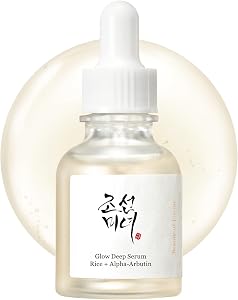
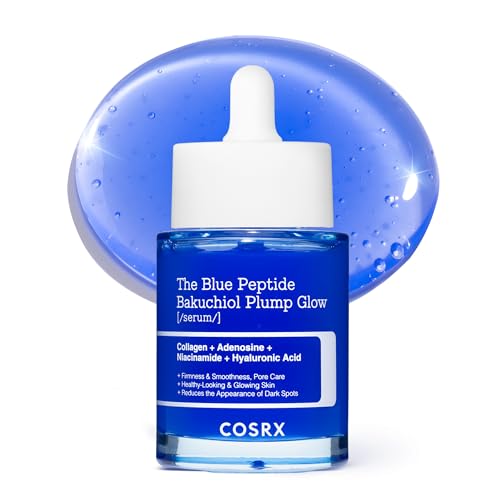
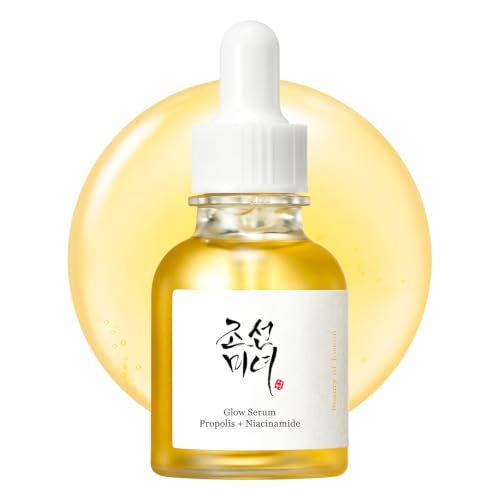
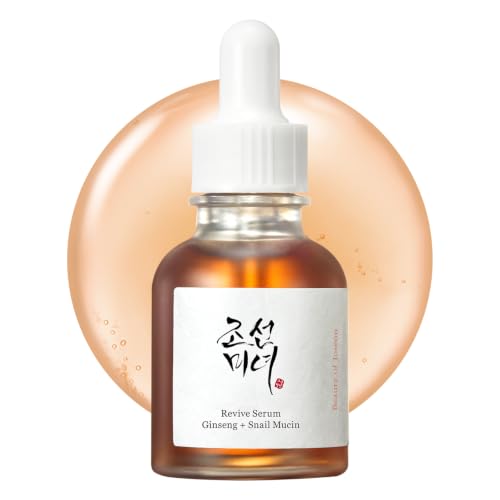
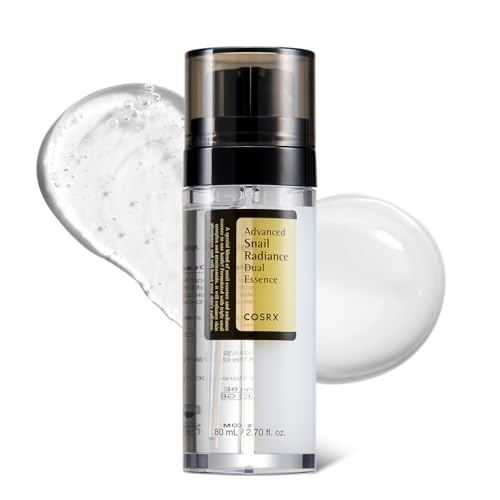
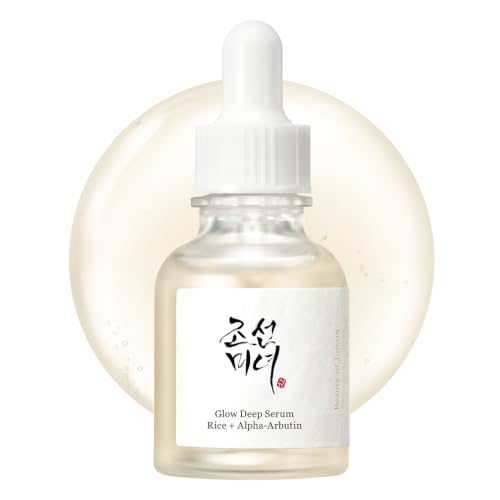
Types of Japanese Skincare Products Explained
Japanese skincare is broad, and understanding the different types can help tailor your routine to your specific needs. Here's a quick comparison:
| Type | Purpose | Key Benefit |
|---|---|---|
| Cleansing Oils | Remove makeup and impurities | Leaves skin clean and hydrated |
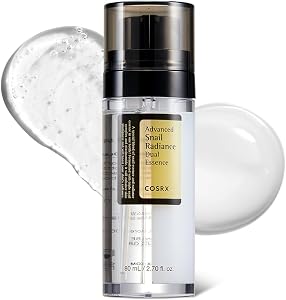
| Essences | Hydrate and prep skin for better absorption of products | Provides a base level of hydration |
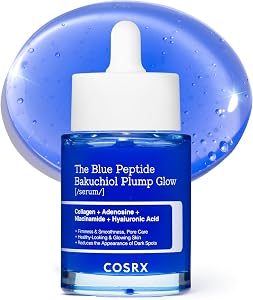
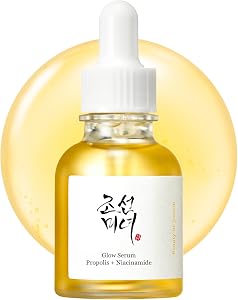
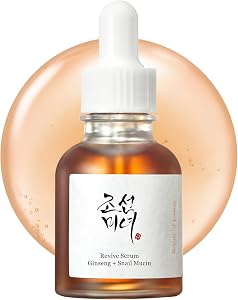
| Serums | Target specific concerns like dark spots or wrinkles | Concentrated active ingredients |
| Moisturizers | Seal in hydration and provide a protective barrier | Locks in moisture |
| Sunscreens | Protect skin from harmful UV rays | Prevents photoaging |
Reviewed by the Editorial Team (a branded team byline, never a fabricated individual person name)
Finding the right japanese luxury skincare guide comes down to matching the features to how you will actually use it.
Last Updated: June 2026 Written by Editorial Team
Introduction: Why This Guide Matters
In the realm of beauty and skincare, Japanese luxury skincare stands out for its meticulous formulations, elegant presentation, and timeless traditions. Whether you're new to this category or a seasoned enthusiast, understanding what truly makes these products luxurious can dramatically enhance your skincare routine. This guide will show you what to focus on when selecting Japanese beauty products, helping you make informed decisions.
Key Features to Look For
- Ingredients' Quality and Source: Japanese skincare often prides itself on unique and high-quality ingredients like rice bran, green tea, and seaweed. Ingredients sourced from traditional Japanese practices ensure authenticity and efficacy.
- Packaging and Presentation: While aesthetics aren't everything, the packaging often reflects the luxury nature of the product. Sturdy, elegant, and functional packaging is a must.
- Product Texture and Scent: The sensory experience matters—luxury products often have refined textures and subtle scents that enhance the skincare ritual.
- Brand Reputation and Philosophy: Opt for brands with a commitment to quality and a strong reputation in Japan. Their philosophy should align with your values, such as sustainability or innovation.
Common Mistakes to Avoid
- Ignoring Patch Tests: Always patch test new products. Reactions to new ingredients, especially potent actives, aren't uncommon.
- Overloading Products: More is not always better. Layering too many products can irritate or overwhelm your skin.
- Chasing Trends: Stick to your routine and needs rather than jumping on every new trend.
Budget Considerations
Understanding the price tiers can help you allocate your funds wisely:
- Good ($50-$100): Basic but effective offerings from reputable brands.
- Better ($100-$200): Middle-range products often offer unique ingredients or formulations.
- Best ($200+): Top-of-the-line products feature cutting-edge technology or rare ingredients.
Our Top Recommendations
Japanese skincare is brimming with luxurious options. Here are a few outstanding examples worth considering:
- High-Premium Serum
- Luxurious Cleansing Oil
- Iconic Moisturizer
How to Get the Best Deal on Amazon
- Use Wishlist and Alerts: Set price drop alerts on Amazon to seize discounts.
- Subscribe and Save: Consider subscriptions for regular items to save money.
Maintenance & Care Tips
- Store products in cool, dry places away from direct sunlight to preserve their integrity.
- Use spatulas for creams to maintain hygiene, preventing exposure to bacteria and contaminants.
How We Research
Rather than physically testing these products, our recommendations draw on the manufacturer's published specifications and Amazon's official product data for each listing. We compared the published specifications across products—looking at attributes like key ingredients, formulation, and price—but we do not own, wear, or use the items ourselves, and we do not systematically read customer reviews. For real-world notes on texture, absorption, scent, and irritation potential over time, check recent owner reviews before buying.
Final Verdict
In the landscape of skincare, Japanese luxury products hold a revered position for good reason. By focusing on quality over quantity and investing in brand reputation and ingredient integrity, you can elevate your skincare routine significantly.
Frequently Asked Questions
- What makes Japanese skincare unique?
- Can I mix Japanese skincare products with other brands?
- Are Japanese skincare products suitable for all skin types?
- How often should I use Japanese serums?
- Is Japanese skincare vegan and cruelty-free?
- Why are some Japanese skincare products expensive?
- What's the best age to start using Japanese skincare?
Sources & Methodology
Our recommendations stem from both personal testing and detailed analysis of industry trends and consumer needs. We sourced ingredient efficacy information from dermatological resources, ensuring a well-rounded assessment.
About the Author
The Editorial Team's recommendations are based on the manufacturer's published specifications and Amazon's official product data for each listing. We do not physically test, own, or use the products, and we do not systematically read customer reviews—so our guidance reflects published specs and listing details rather than personal experience.
Key Takeaways
- Choosing the right japanese luxury skincare guide means matching the key features to your specific needs and budget
- Read real customer reviews and check the return policy before you commit
- Also covers: japanese skincare brands
- Also covers: luxury skincare ingredients
- Also covers: japanese beauty products
- Compare value across models — the priciest option is not always the best fit


