The Sensai Cellular Performance Mask for Antarctic polar researchers is one of the few luxury Japanese treatments rich enough to counter the catastrophic moisture loss that happens inside heated polar stations, where indoor humidity routinely drops below 10 percent and outdoor wind chill strips lipids from the stratum corneum within minutes. If you are wintering at McMurdo, Concordia, Halley VI, or any Antarctic field station and your face feels like parchment by mid-shift, this article walks you through how the Sensai mask works for that exact environment, plus seven luxury Korean and Japanese serums and creams that pair with it to rebuild a barrier the South Pole is actively trying to dismantle.
Why Antarctic Station Dryness Is Different
Polar researchers face a layered assault that no temperate-climate skincare routine is built for. The outdoor air at McMurdo in winter holds less absolute water than the Sahara at noon. Step inside a heated module and the relative humidity stays in single digits because the heaters dump dry air into a sealed envelope. Add 18-hour shifts under fluorescent lighting, frequent handwashing, balaclava friction, and intermittent sun exposure during the austral summer, and the skin barrier loses transepidermal water roughly three to four times faster than it does in a continental winter.
The result is what dermatologists treating Antarctic personnel describe as "station xerosis": tight, flaking cheeks, fissured nasolabial folds, perioral dermatitis flares, and a persistent sting that ordinary moisturizers cannot quiet. The fix is not a single product. It is a layered routine of ceramide-dense, occlusive, and humectant-binding formulas applied in a specific order, anchored by a heavy overnight treatment such as the Sensai Cellular Performance Mask for Antarctic polar researchers who need their barrier rebuilt while they sleep.
About the Sensai Cellular Performance Mask
Sensai is Kanebo’s prestige line, built around Koishimaru Silk EX, a proprietary silk protein that mimics the moisture-binding behavior of natural moisturizing factor. The Cellular Performance Mask sits at the top of the brand’s hydration tier. Its texture is dense and balm-like, designed to be massaged in and left on overnight, where it functions as both an occlusive seal and a slow-release hydration reservoir. For polar researchers, the value is not in the silk protein alone but in the formulation logic: a heavy, lipid-rich vehicle that survives a dry-air environment for eight hours without evaporating off.
You can use it three to four nights per week as a sleep-in mask, or daily during the worst weeks of winter darkness. Apply it after your essence and serum, in a layer thick enough to still feel slightly tacky after five minutes. In the morning, do not wash it off with foam cleanser; rinse with lukewarm water only and pat dry. This preserves the lipid film that has been rebuilding overnight.
Comparison Table: Best Layering Companions for Polar Station Skin
| Product | Primary Role | Key Actives | Best For |
|---|---|---|---|
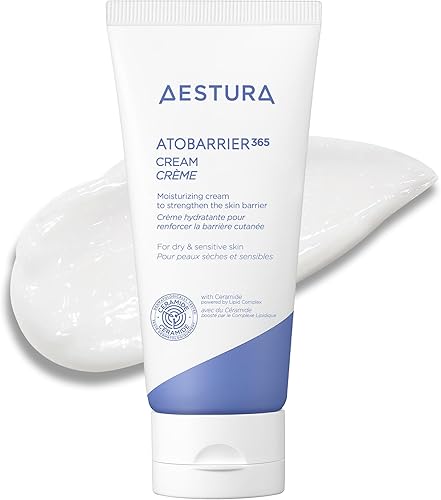
| AESTURA ATOBARRIER365 Cream | Daytime occlusive moisturizer | Ceramide capsules, panthenol | 120-hour barrier sealing under balaclavas |
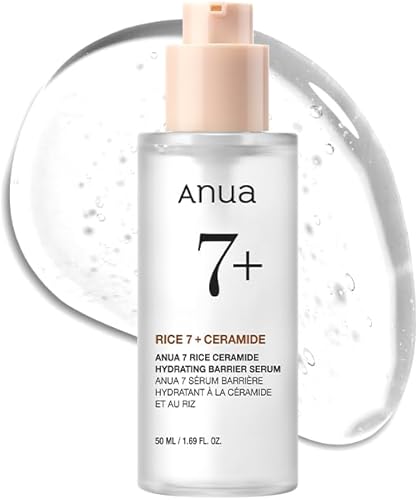
| Anua Rice Ceramide 7 Serum | Hydrating ceramide serum | 7 ceramides, niacinamide, HA | Lightweight base layer before the Sensai mask |
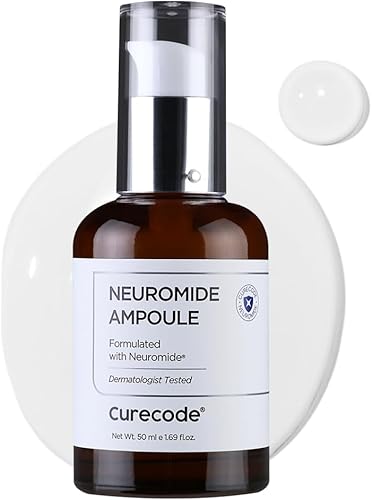
| CURECODE Neuromide Ampoule | Sensitive-barrier ampoule | Neuromide complex | Reactive, fissured cheeks |
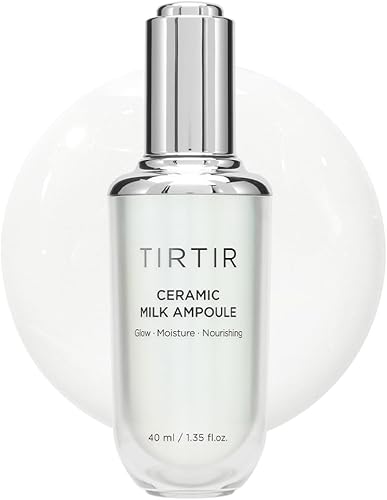
| TIRTIR Ceramic Milk Ampoule | Rich milky ampoule | Ceramides, peptides | Mid-shift re-hydration in heated quarters |
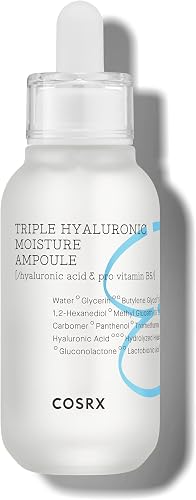
| COSRX Hydrium Triple HA Ampoule | Multi-weight hyaluronic | 3 HA molecular weights | Humectant binding under low-humidity air |
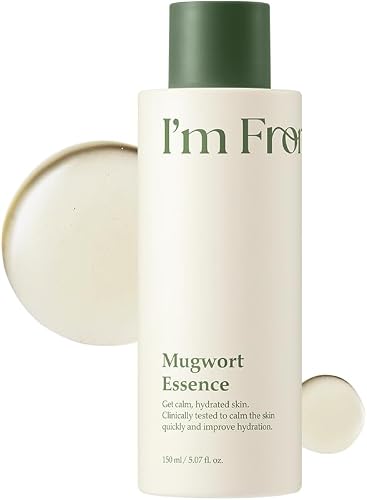
| I’m From Mugwort Essence | Calming essence | 100% mugwort extract | Wind-burn redness, balaclava chafing |
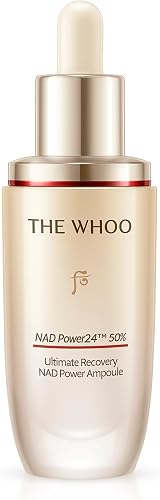
| THE WHOO Ultimate Recovery NAD | Luxury repair ampoule | NAD+, hanbang complex | Mature skin under prolonged polar stress |
The Layering Stack for a Polar Station Routine
The Sensai Cellular Performance Mask for Antarctic polar researchers works hardest when it is the last step in a deliberate stack. Build the routine from thinnest to thickest, allowing each layer 30 to 60 seconds of contact before applying the next. Skipping the humectant and ceramide layers and going straight to the mask is the most common mistake at remote stations, and it produces the "greasy but still tight" sensation that drives people to abandon the product after a week.
AESTURA ATOBARRIER365 Cream with Ceramides
This is the daytime workhorse for any researcher rotating between heated lab modules and minus-40 outdoor sampling. The ceramide capsule technology releases lipids progressively across roughly 120 hours of wear, which means it keeps working under a balaclava when reapplication is impossible. Pat a half-teaspoon over damp skin in the morning, and again at the start of any outdoor shift. It also doubles as a hand and ear cream when supplies are limited. View on Amazon
Anua Rice Ceramide 7 Hydrating Barrier Serum
A fragrance-free, lightweight ceramide serum that absorbs in under a minute, which matters when you are racing to finish a routine before the next shift call. The seven-ceramide blend is structurally similar to the lipids the cold air is stripping out, so it acts as direct replacement rather than a workaround. Layer it under the Sensai mask at night and under the AESTURA cream by day. It is also one of the few serums that does not pill under sunscreen reapplication, which matters during the austral summer when UV reflects off the ice sheet at near-100 percent. View on Amazon
CURECODE Neuromide Ampoule
For researchers whose skin has crossed from dry into reactive, with stinging on application of anything new, the Neuromide ampoule is the safest bridge. The proprietary neuromide molecule is engineered to mimic skin’s native ceramide-NP without the irritation potential of fatty alcohols. Use it for two weeks as a single-step nighttime ampoule before reintroducing the full Sensai mask routine, then layer them together once the stinging subsides. View on Amazon
TIRTIR Ceramic Milk Ampoule
A milky-textured ampoule that splits the difference between serum and lotion. Keep it on your desk at the station for mid-shift application, when your face starts to tighten three hours into a heated module. The ceramic complex includes ceramides and peptides that re-cushion the skin without leaving a film that would interfere with respirator seals or goggle fit. View on Amazon
COSRX Hydrium Triple Hyaluronic Moisture Ampoule
In sub-10-percent humidity, a single-weight hyaluronic acid can actually pull moisture out of the deeper skin because there is nothing in the air for it to bind. The Hydrium uses three molecular weights designed to hydrate at different depths without that reversal effect. Apply two drops on damp skin, then immediately seal with a ceramide cream or the Sensai mask. Never let HA sit on the skin without an occlusive layer in polar air. View on Amazon
I’m From Mugwort Essence
Balaclava chafing, wind-burn, and the perioral dermatitis flares common at high-latitude stations all respond to a daily mugwort essence. The I’m From formula is 100 percent mugwort extract by volume, with no added water, which makes it concentrated enough to calm a flare in two or three days of use. Press it into the skin after cleansing and before serums. It pairs cleanly with the Sensai Cellular Performance Mask for Antarctic polar researchers who are dealing with both dryness and reactivity at the same time. View on Amazon
THE WHOO Ultimate Recovery NAD Power Ampoule
For senior scientists and station leaders in their forties and beyond, a year of polar rotation visibly accelerates fine-line depth and elasticity loss. The Whoo’s NAD+ ampoule blends the longevity-focused cofactor with traditional Korean hanbang botanicals, giving the routine an anti-aging anchor without sacrificing barrier focus. Use it three nights a week, before the Sensai mask. View on Amazon
How to Pack a Polar-Deployment Skincare Kit
Cargo allowances on Antarctic flights are strict, and resupply windows for most stations are six to twelve months apart. Pack glass bottles in padded sleeves and double-bag every cream to survive the pressure swings of LC-130 flights. Decant nothing into plastic that has not been freeze-tested; many luxury Korean jars survive minus-40 cargo holds without cracking, but caps loosen and threads warp. Carry one jar of the Sensai mask as your overnight anchor, plus three serums chosen from the list above, plus the AESTURA cream as your shared day-and-night base. That five-product stack covers a six-month deployment for one researcher with a buffer of roughly 20 percent.
For routine guidance that translates well to polar conditions, our luxury Korean skincare routine guide explains layering order in detail, and our roundup of top Japanese moisturizers for dry skin covers companion creams when the Sensai mask is between resupplies. The ultimate guide to Japanese skincare ingredients is useful for understanding why Koishimaru Silk EX behaves the way it does at altitude and in low humidity.
Frequently Asked Questions
How often should polar researchers use a luxury sleep mask?
During the deep austral winter, nightly use is appropriate for most skin types. In the summer transition months when outdoor humidity rises slightly, drop to three or four nights per week to avoid congestion. Always cluster usage around outdoor sampling rotations, when transepidermal water loss spikes.
Can I use the Sensai Cellular Performance Mask under a CPAP mask or oxygen apparatus?
Yes, but apply it at least 30 minutes before strapping on any equipment so the heaviest oils have time to absorb. The residual film is compatible with silicone seals but can leave temporary marks on cloth straps. Wipe straps weekly with a damp microfiber to prevent buildup.
What is the best lightweight serum for polar field days when there is no time to layer?
The Anua Rice Ceramide 7 serum followed immediately by the AESTURA ATOBARRIER365 cream is a two-step routine that takes under 90 seconds and survives a full day of wind exposure. If you only have one product, choose the AESTURA cream.
Will hyaluronic acid serums freeze inside polar station quarters?
Heated modules stay above freezing, so storage is not a concern. Outdoor caches will freeze and most HA serums tolerate a single freeze-thaw without separation, but multiple cycles degrade texture. Keep all luxury serums inside the station and carry only solid balms or stick formats outdoors.
Is the Sensai mask safe for sensitive skin damaged by polar exposure?
The formula is fragrance-light and avoids common sensitizers, but skin already in active dermatitis should heal first with the CURECODE Neuromide Ampoule or I’m From Mugwort Essence for two weeks before introducing the mask. Once the stinging stops, the mask becomes well-tolerated.
How do I prevent mask product from staining station-issued pillowcases?
Apply the mask 30 to 45 minutes before bed and pat off any excess with a clean cloth before lying down. The remaining film will be tacky but not transferable. A dedicated silk pillowcase, washed weekly with fragrance-free detergent, is the cleanest long-term solution.
What sunscreen pairs with this routine during the austral summer?
Choose a Japanese mineral-chemical hybrid sunscreen with at least SPF 50 and PA++++, and reapply every two hours outdoors because UV reflection off the ice sheet effectively doubles your exposure. Our guide to luxury Japanese sunscreens for sensitive skin walks through the best options that layer cleanly over the Sensai mask’s residual film.
This article contains affiliate links. See our affiliate disclosure for details.
Key Takeaways
- Choosing the right Sensai Cellular Performance Mask for Antarctic polar researchers means matching capacity and output ports to your actual devices
- Always check actual watt-hours (Wh), not just watts — runtime depends on Wh, not peak output
- Also covers: sensai cellular performance mask antarctic dry air
- Also covers: sensai intensive mask for mcmurdo station skin
- Also covers: luxury sheet mask for polar field researchers
- Compare price-per-Wh across models to find the best value for your budget