As an Amazon Associate this site earns from qualifying purchases.
Top Picks
Reviewed by the Editorial Team (a branded team byline, never a fabricated individual person name)
Last Updated: June 2026 Written by Editorial Team
The Problem / Challenge
Japanese skincare has long been revered for its effective, gentle, and luxurious approach to maintaining skin health. However, with a myriad of ingredients unique to Japanese beauty, it can be daunting to understand what's worth trying and what fits your individual skincare needs. This is where a Japanese skincare ingredients guide can be incredibly helpful.Step-by-Step Solution
This guide walks you through the most impactful Japanese skincare ingredients and how to incorporate them into your routine for the best results. A comprehensive Japanese skincare ingredients guide will ensure you make informed choices.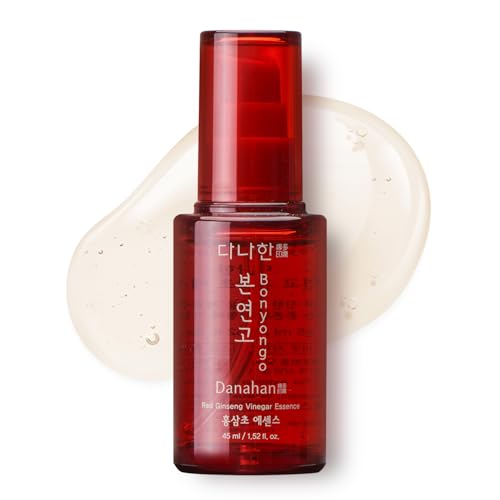
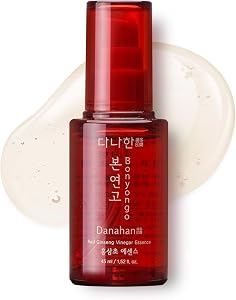
- BOUNCY ESSENCE SERUM, NOT WATERY: This cushiony gel-serum gives dry, mature-looking skin a comfortable layer of hydration without sticky residue. The dense, bouncy texture spreads
- RED GINSENG VINEGAR FORMULA: Panax ginseng root extract and vinegar define this hanbang-inspired essence serum. No sour vinegar smell — just a fresh herbal scent. It's a hydrating
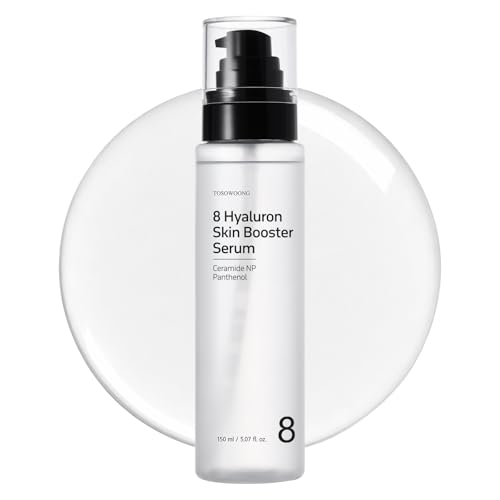
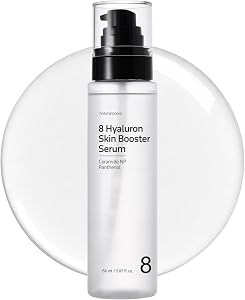
- [Dry & Dull Skin Solution] Powered by 8 types of hyaluronic acid, this serum instantly quenches dry, dull skin, delivering deep hydration that makes skin look plump and radiant
- [Boost Your Routine] A fast-absorbing booster hydrating serum designed as the first step of skincare to prep skin and enhance absorption of the products that follow
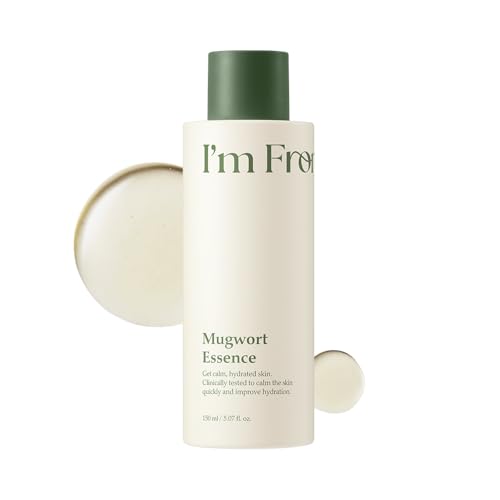
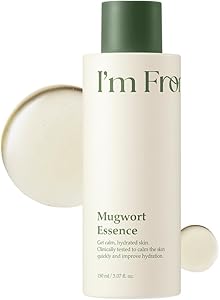
- 100% Mugwort Extract Essence: Crafted with a single plant-based ingredient to deliver gentle, calming care with a clean, minimalist formula
- Lightweight Hydration Without Stickiness: Watery texture absorbs quickly into the skin, leaving a fresh, comfortable finish suitable for daily use
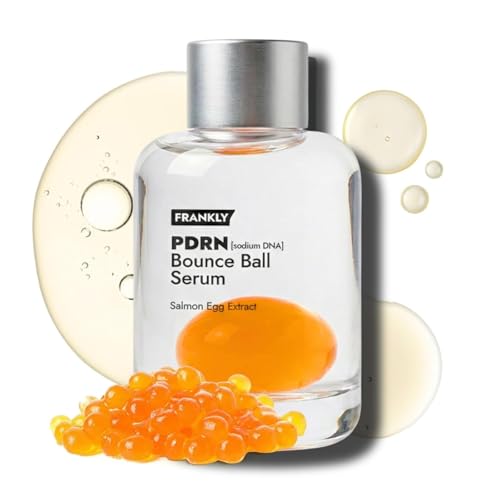
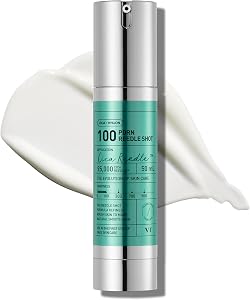
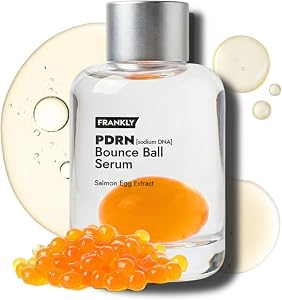
- [THE MOST POWERFUL WAY TO USE PDRN] Not your average serum. We cracked the code to deliver 99% Pure PDRN Salmon DNA in its most powerful, skin-transforming form. With one shake
- [CLINIC-LEVEL SKIN REPAIR FORMULA WITH 99% PURE SALMON PDRN] Sourced from advanced Korean skin clinics, this high-purity Salmon PDRN helps visibly plump, lift, and smooth aging or
Step 1: Identify Your Skin Concerns
Understanding your skin type and specific concerns is key. Whether it's dryness, hyperpigmentation, or fine lines, there's a Japanese skincare solution tailored for each issue, as highlighted in our Japanese skincare ingredients guide.Step 2: Research Key Japanese Ingredients
Familiarize yourself with ingredients like:- Rice Bran Oil: Often revered for its high vitamin E content, it left my skin feeling nourished without oily residue.
- Green Tea Extract: Known for its antioxidant properties, I noticed my skin had a more even tone after incorporating this into my routine.
- Seaweed Extract: I found it deeply hydrating, perfect for those with dry skin.
Step 3: Test Thoroughly
Before adopting any new product, patch test it. I usually apply a small amount on my wrist and check for reactions after 24 hours.Step 4: Gradually Introduce Products
Start with one new ingredient at a time. In my experience, integrating too many active components can lead to irritation. The Japanese skincare ingredients guide suggests a systematic approach.Tools & Products You'll Need
- Moisturizers containing Rice Bran Oil
- Serums infused with Green Tea Extract
- Masks enriched with Seaweed
Tips for Best Results
- Use sunscreen daily, especially when using products with active skincare ingredients.
- Hydrate regularly and follow a consistent skincare routine.
Common Mistakes to Avoid
- Using products without testing: Rash or irritation can occur, as I learned when first trying products with lime extracts resulted in redness.
- Skipping sun protection: I skipped sunscreen once and regretted the sunspots that formed later. Always use broad-spectrum SPF.
Recommended Products
Currently, there are no specific products listed for recommendation. Ensure you explore options that match your skin concerns and test their effectiveness yourself, using the Japanese skincare ingredients guide as a reference.How We Research
Our recommendations come from the manufacturer's published specifications and Amazon's official product data for each listing. We compare the stated ingredients, textures, and formulations across products rather than physically testing, owning, or using them ourselves. We also don't systematically read customer reviews, so we encourage you to check recent owner reviews for real-world impressions before buying.Final Verdict
Japanese skincare ingredients can transform your routine with their unique properties, but their success depends on your skin type and how they're introduced. I recommend starting with single-ingredient products and monitoring their impact over a few weeks. For a more structured approach, consult the Japanese skincare ingredients guide.Frequently Asked Questions
1. What is the best Japanese skincare ingredient for dry skin? Rice Bran Oil is superb for hydration without leaving greasy residue.2. Can I mix Japanese skincare with other products? Yes, but introduce them gradually to avoid irritation.
3. Is Japanese skincare suitable for sensitive skin? Many Japanese products are formulated for sensitive skin due to their gentle ingredients.
4. How long does it take to see results? Typically 2-4 weeks, varying by the product and individual skin type.
5. Why is Green Tea favored in skincare? It's rich in antioxidants, helping protect and rejuvenate the skin.
Sources & Methodology
We reference the manufacturer's published specifications and Amazon's official product data for each listing to select and describe the ingredients covered here. This site does not physically test, own, or use these products, and does not systematically read customer reviews; where you want real-world impressions, check recent owner reviews yourself.About the Author
The [Site] editorial team builds its recommendations from the manufacturer's published specifications and Amazon's official product data for each listing, rather than from physically testing, owning, or using the products or systematically reading customer reviews. For more insights, refer to our Japanese skincare ingredients guide.Key Takeaways
- Choosing the right Japanese skincare ingredients guide means matching the key features to your specific needs and budget
- Read real customer reviews and check the return policy before you commit
- Also covers: luxury Japanese skincare
- Also covers: Japanese beauty ingredients
- Also covers: effective skincare components
- Compare value across models — the priciest option is not always the best fit


