As an Amazon Associate this site earns from qualifying purchases.
Tatcha Violet-C Brightening Serum for melasma on Asian skin offers a measured, luxury-leaning approach to a pigmentation condition that can be stubborn on Fitzpatrick III–V tones. The serum pairs a 20% vitamin C blend (ascorbic acid plus the AHA-active complex from Japanese beautyberry) with 10% AHAs, working to fade superficial hyperpigmentation while smoothing texture. For melasma specifically—dermal-epidermal pigment driven by hormones, heat, and UV—the formula targets the epidermal layer without the sting of stronger peels. In this 2026 guide, we evaluate its performance on Asian complexions and pair it with Korean and Japanese alternatives that complement or outperform it.
Why melasma behaves differently on Asian skin
Melasma in East and Southeast Asian patients tends to present as symmetrical, blurred patches across the malar cheeks, forehead, and upper lip. Unlike post-inflammatory hyperpigmentation (PIH) from acne, melasma is hormone- and heat-driven, which means it flares with pregnancy, oral contraceptives, sauna culture, and even hot yoga. The melanin distribution in Asian skin is also more reactive—melanocytes here are quicker to fire under UV or inflammation, and the pigment often sits deeper than it does in lighter Fitzpatrick types. That is why aggressive treatments (high-percentage hydroquinone, harsh retinoid ramp-ups, deep peels) can backfire and create rebound darkening.
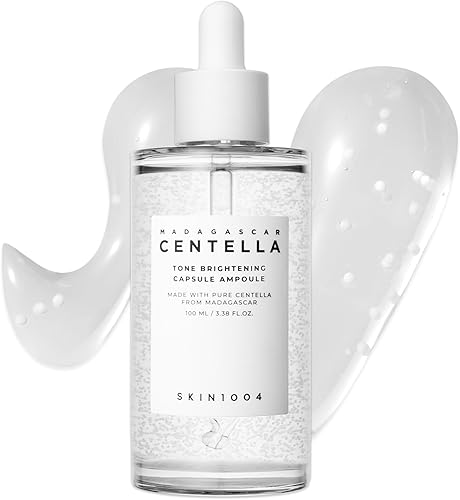
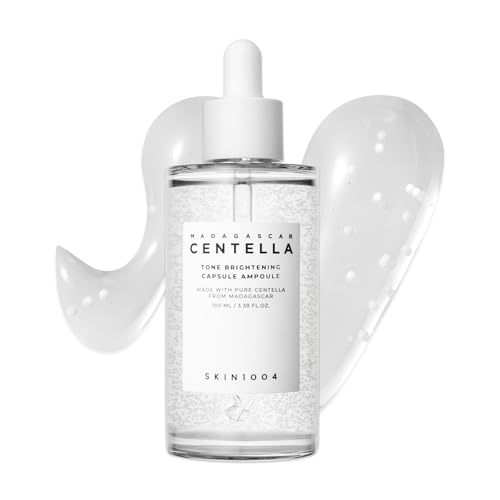
- CENTELLA AMPOULE FOR CALMING & BARRIER SUPPORT – Formulated with Madagascar Centella Asiatica, this centella ampoule serum helps soothe delicate skin and reinforces skin barrier
- LIGHTWEIGHT TONE BRIGHTENING CAPSULE AMPOULE – This Skin1004 Tone Brightening Capsule Ampoule blends MadeWhite capsules into a refreshing hydrating serum texture that absorbs
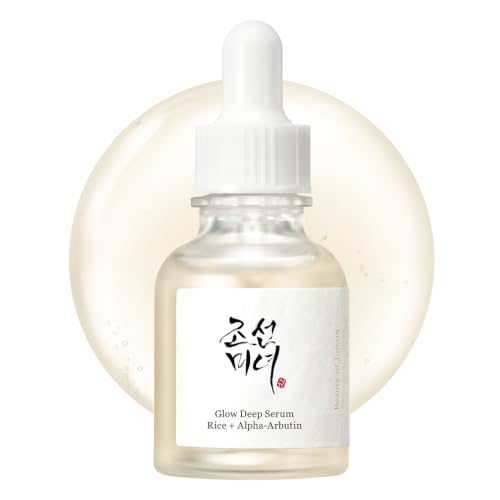
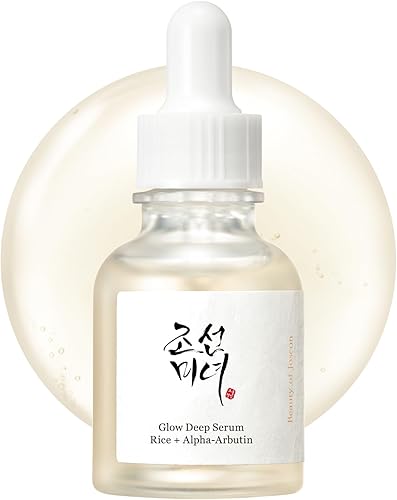
- Radiant Revelation: Unveil the beauty secrets of Joseon with the Glow Deep Serum, a meticulously crafted blend of rice and alpha-arbutin for unparalleled radiance. Address dark
- Korean Skincare Essential: Elevate your skincare routine with the Beauty of Joseon Glow Deep Serum, a commitment to timeless k-beauty secrets that unlocks the path to glowing
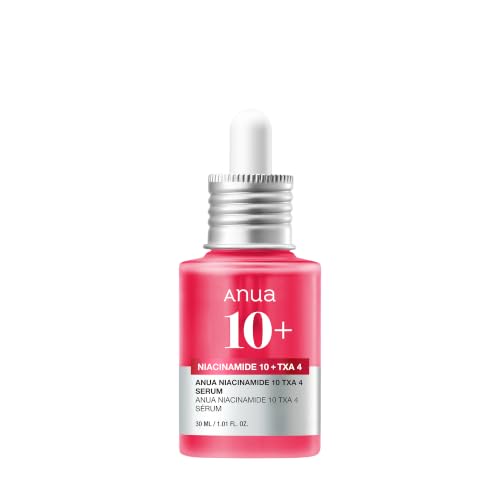
- [Lightweight Hydrating Texture] Non-greasy watery lightweight texture that absorbs easily and leaves skin feeling hydrated—layers well with other skincare, including moisturizer
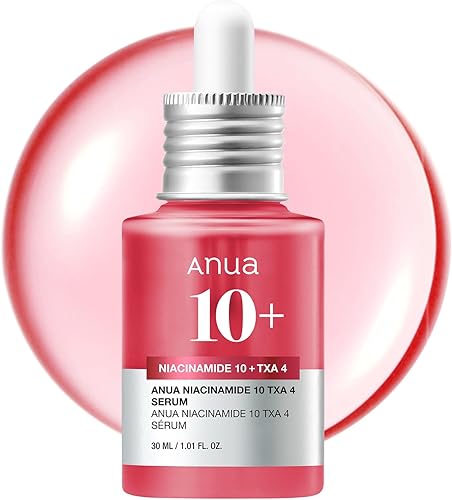
- [Korean Glass Skin] Containing 10% Niacinamide, 4% Tranexamic Acid, and 2% Arbutin, a concentrated trio to help improve the look of dullness, dark spots and enlarged pores.—Korean
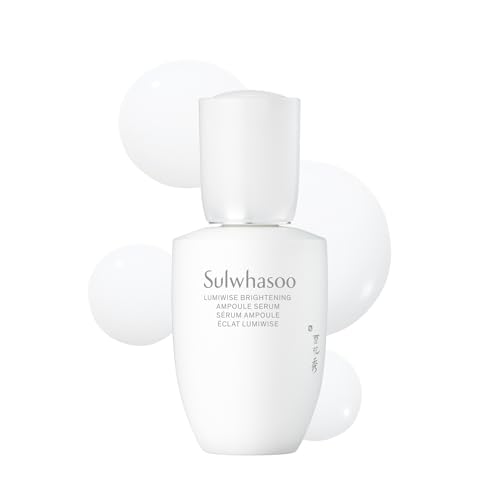
- GINSENG ECTOIN: Helps soothe, promoting a more radiant, even-looking complexion
- Niacinamide: Helps fade visible spots and enhance clarity for radiant, even-toned skin
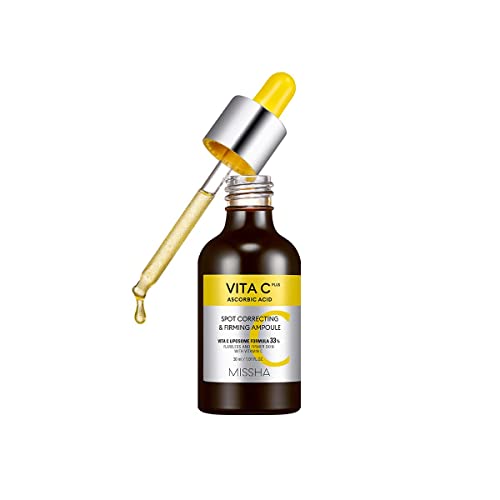
- Advanced Liposome Technology: Utilizing Vita C Liposome Formula, this serum delivers pure Vitamin C and collagen deep into the skin. Combined with Tranexamic Acid and Hydrolyzed
- Advanced 2-in-1 Serum: Designed to nourish and revitalize, this formula supports a smoother, firmer, and more radiant-looking complexion, helping reduce the visible signs of aging
Comparison: Violet-C vs Korean and Japanese brightening peers
| Product | Hero actives | Best for | Irritation risk |
|---|---|---|---|
| Tatcha Violet-C Brightening Serum | 20% vitamin C + 10% AHA | Surface brightening, dull tone | Moderate |
| Anua Niacinamide 10 + TXA 4 | Tranexamic acid 4%, niacinamide 10% | True melasma, hormonal pigment | Low |
| Beauty of Joseon Glow Deep Serum | Alpha-arbutin, rice extract | Daily melanin suppression | Very low |
| SKIN1004 Tone Balancing Capsule Ampoule | Tranexamic acid + niacinamide + centella | Sensitive melasma-prone skin | Very low |
| Sulwhasoo Lumiwise Ampoule | Botanical brightening, barrier complex | Luxury spot fade + barrier | Low |
| MISSHA Vita C Plus Spot Correcting | Ascorbic acid derivative | Discrete dark spots | Low-moderate |
A measured brightening approach matters. You want consistent, lower-irritation actives that suppress tyrosinase, accelerate keratinocyte turnover at a gentle pace, and protect the barrier so you do not generate more inflammation. Tatcha's Violet-C lives in that category, and Korean dermatology culture has produced a parallel arsenal—tranexamic acid, alpha-arbutin, niacinamide, and glutathione—that pairs beautifully with it.
How Tatcha Violet-C Brightening Serum for melasma on Asian skin actually performs
The formula's headline numbers are 20% vitamin C (a blend of L-ascorbic acid and a stabilized derivative) plus 10% AHAs (the Japanese beautyberry complex contributes plant-derived acids). On melasma-prone Asian skin, expect three observable shifts inside an 8 to 12 week window:
- Surface brightening: the AHA layer lifts dulled keratinocytes, so the upper layer of pigment fades faster.
- Antioxidant defense: daily vitamin C suppresses UV-driven oxidative stress, which is a melasma flare trigger.
- Gentler tyrosinase signaling: ascorbic acid mildly inhibits pigment production, though it is not the strongest tyrosinase inhibitor available.
The real-world caveats: Violet-C is a treatment serum, not a melasma cure. Dermal melasma (the deeper component you can see under a Wood's lamp) will not resolve from topical vitamin C alone, and you absolutely must use SPF 50+ daily or every gain will reverse within a few weeks of sun exposure. The serum can also be too brisk if your barrier is already inflamed—introduce it 3 nights a week and ramp up. For sensitive Asian skin, a fragrance-light, ceramide-rich moisturizer overhead is non-negotiable.
Building the layering routine around it
For melasma protocols on Asian skin, layering is where most people sabotage themselves. A useful frame: brightening actives in the morning, repair and barrier at night, with vitamin C never stacked with niacinamide in the same minute (space them 10 minutes apart). If you want a structured walkthrough, our luxury Korean skincare routine guide outlines morning versus night sequencing for pigmented skin. And because Violet-C is potent, the serums layering primer is worth reading before you stack it with anything else acidic.
Korean and Japanese serums that complement Violet-C
Anua Niacinamide 10 + TXA 4 Serum
If Violet-C is your morning brightener, this is the partner most dermatologists would pair with it. Tranexamic acid (TXA) is one of the few topical actives with peer-reviewed evidence specifically against melasma in Asian patients—it disrupts the plasmin pathway that fuels melanocyte activation. The 4% concentration here is meaningful, and the niacinamide reinforces the barrier so you can tolerate Violet-C more nights of the week. Apply this at night after toner. Anua Niacinamide 10 + TXA 4 Serum.
Beauty of Joseon Glow Deep Serum (Rice + Alpha-Arbutin)
Alpha-arbutin is the gentler, stabilized cousin of hydroquinone—it inhibits tyrosinase without the rebound risk that makes hydroquinone unsafe for long-term use on melasma. The rice extract base adds quiet hydration, and the formula is fragrance-mild enough for reactive cheeks. This is the daily-driver brightener you can use under SPF without worrying about photosensitization. Beauty of Joseon Glow Deep Serum Rice Alpha-Arbutin for Uneven Dull.
SKIN1004 Tone Balancing Capsule Ampoule
For Asian skin that flares the moment you introduce vitamin C, this ampoule is the soft-landing alternative. It combines tranexamic acid with niacinamide and madagascan centella, so you get melasma-targeted ingredients on a calming, anti-redness base. Many of our readers with melasma plus rosacea-adjacent flushing rotate this in on nights when Violet-C feels too active. SKIN1004 Tone Balancing Capsule Ampoule.
Sulwhasoo Lumiwise Ampoule Serum
This is the luxury Korean counterpart to Tatcha—built around botanical brightening and barrier care rather than aggressive acids. If you appreciate Violet-C's ritualistic, sensorial application but want a complementary product to alternate on barrier-sensitive evenings, Lumiwise sits in the same price tier and the same ethos: visible spot fade without compromising skin resilience. Useful for mature Asian skin where melasma overlaps with early laxity. Sulwhasoo Lumiwise Ampoule Serum.
MISSHA Vita C Plus Spot Correcting & Firming Ampoule
If you love the vitamin C concept behind Violet-C but want a smaller, lower-cost option to spot-treat individual dark patches (rather than apply across the whole face), this MISSHA ampoule is a sensible add. It is a stabilized ascorbic system, so it is less prone to oxidation than pure L-ascorbic, and the firming complex is welcome on the cheekbones where melasma often coincides with volume change. MISSHA Vita C Plus Spot Correcting & Firming Ampoule.
The honest verdict on Violet-C for Asian melasma
Tatcha Violet-C Brightening Serum is a thoughtful pick if your melasma is mild-to-moderate, predominantly epidermal, and you respond well to vitamin C. It will not, on its own, resolve dermal melasma or replace a dermatologist-prescribed regimen (Kligman's formula, oral tranexamic acid, picosecond laser sessions). It pairs best as the morning antioxidant + gentle resurfacing step, with a TXA or alpha-arbutin Korean serum in the evening.
For shoppers cross-comparing Japanese-house brightening philosophy with Korean-house formulations, our Tatcha vs Amorepacific comparison walks through the difference in pigmentation strategies between the two heritage labels, and the Tatcha vs Dr. Jart breakdown is helpful if you are deciding whether to invest at the Tatcha price tier or stay in K-beauty's mid-luxury segment.
What to pair it with—and what to avoid
Stack with: mineral SPF 50+ every morning (zinc oxide or titanium dioxide), a ceramide moisturizer at night, and one TXA or alpha-arbutin serum.
Avoid stacking with: high-strength retinoids in the same evening (introduce on alternate nights), benzoyl peroxide (oxidizes vitamin C), and any peels above 10% glycolic until your skin has acclimated.
Watch out for: heat. Hot showers, steam rooms, and intense exercise in direct sun can trigger melasma flares regardless of how good your serum routine is. Topicals cannot outrun a thermal trigger.
Frequently Asked Questions
Can Tatcha Violet-C Brightening Serum fade melasma completely on Asian skin?
No topical serum—including Violet-C—will fully clear melasma on its own, especially the dermal component that sits deeper in the skin. Realistic expectations are noticeable fading of the surface pigment over 8 to 12 weeks of consistent use, alongside daily SPF 50+. For complete clearance, most dermatologists pair topicals with oral tranexamic acid or picosecond laser, supervised in-clinic.
Is Tatcha Violet-C safe to use with tranexamic acid serums for melasma?
Yes, and this combination is actually one of the more evidence-supported strategies for melasma on Asian skin. The typical protocol is Violet-C in the morning (vitamin C + AHA + SPF) and a tranexamic acid serum like Anua Niacinamide 10 + TXA 4 at night. Keep them in separate routines rather than mixing them in the same layer to avoid pH conflicts.
How does Tatcha Violet-C compare to Korean vitamin C serums for hyperpigmentation?
Tatcha's 20% formula sits at the higher end of vitamin C concentration, paired with 10% AHA—it is more aggressive than typical K-beauty brighteners, which lean on alpha-arbutin and tranexamic acid as the lead ingredient with vitamin C as support. If your skin tolerates acids well, Violet-C delivers faster surface results; if you are sensitive, Korean formulations like Beauty of Joseon Glow Deep are gentler day-in, day-out.
Will Violet-C cause post-inflammatory hyperpigmentation on darker Asian skin tones?
It can, if you over-apply, layer it with other acids, or skip moisturizer. The 10% AHA is meaningful, and Fitzpatrick IV–V skin can react with PIH if the barrier is compromised. The safer entry path is 2–3 nights a week for the first month, always followed by a ceramide moisturizer, and never applied to recently broken-out skin until it has fully healed.
What sunscreen should I pair with Tatcha Violet-C Brightening Serum for melasma on Asian skin?
For melasma you want broad-spectrum SPF 50+ with iron oxides, because iron oxides block visible light (which drives melasma in deeper skin tones)—not just UVA/UVB. Japanese and Korean tinted mineral sunscreens are excellent for this. Reapply every two hours outdoors. Without disciplined sun protection, Violet-C cannot win against melasma's UV cycle.
Can I use Tatcha Violet-C during pregnancy if I have melasma?
Vitamin C and AHAs at the concentrations in Violet-C are generally considered safe during pregnancy, but melasma during pregnancy (chloasma) is hormonally driven and unlikely to clear until after delivery. Most OB/GYNs and dermatologists advise focusing on aggressive sun protection during pregnancy and deferring active brightening protocols until after weaning. Always run your specific routine by your physician.
How long until I see Violet-C working on my melasma?
Plan on 6 weeks before you see initial surface tone shift, and 10 to 12 weeks for meaningful patch fading. Take weekly photos in identical lighting—daily mirror-checks will not show progress because melasma fades gradually. If you see no change at 12 weeks of consistent use with SPF, escalate to a dermatologist for prescription-grade options rather than stacking more topicals.
Final take
Tatcha Violet-C Brightening Serum for melasma on Asian skin earns its place as a sophisticated, sensorial brightener with clinically meaningful actives. It is not a melasma cure, and it works best as part of a layered protocol that includes a Korean tranexamic acid or alpha-arbutin serum, religious SPF, and patience. Pair it thoughtfully, respect your barrier, and you will see the soft, even glow Tatcha promises—on a timeline that honors how Asian melanocytes actually heal.
Key Takeaways
- Choosing the right Tatcha Violet-C Brightening Serum for melasma on Asian skin means matching the key features to your specific needs and budget
- Read real customer reviews and check the return policy before you commit
- Also covers: Tatcha Violet-C melasma dark patches Asian skin
- Also covers: Violet-C Brightening Serum hyperpigmentation review
- Also covers: best Tatcha serum for stubborn melasma
- Compare value across models — the priciest option is not always the best fit