If you have just crossed a finish line with stinging, raw, scoured cheeks, here is the short answer: Tatcha The Silk Cream marathon runners wind-burned cheeks recovery works because the cream pairs a cushiony Akita rice and silk extract emulsion with humectants and occlusive comfort, which sits gently on a barrier that high winds, cold air, sun, and salty sweat have stripped raw. Apply it within 30 minutes of finishing, on damp skin, after a calming essence and a ceramide serum. Below we cover why windburn happens during a 26.2, how to layer The Silk Cream for fastest recovery, and five K-beauty companions that work alongside it.
Why marathon runners get wind-burned cheeks (and why The Silk Cream helps)
Windburn is not a single condition. After a long race, your cheeks have been hit by three things at once: mechanical abrasion from cold dry air moving across thin skin at 6-to-9 mph (plus your own forward speed), transepidermal water loss that accelerates the moment humidity drops below 40%, and UV exposure that compounds with reflected light off pavement. Add the salt crust left behind when sweat evaporates and you have a barrier that is dehydrated, micro-inflamed, and flushed. The cheeks suffer most because they have less sebaceous activity than the T-zone, sit higher in the airstream, and get the most direct sun on a typical race-day head position.
This is precisely the scenario Tatcha The Silk Cream was designed to address from the luxury Japanese side. The formula leans on Akita Komachi rice extract, silk protein, hyaluronic acid, and a soft botanical occlusive blend. It is not a heavy ointment, which matters because greasy textures can trap heat in already-flushed cheeks and make post-race redness worse. The Silk Cream gives you the cushion of a richer cream with the breathability closer to an emulsion. For Tatcha The Silk Cream marathon runners wind-burned cheeks use, that texture profile is the whole game.
The 20-minute post-race recovery sequence
Order matters when your barrier is compromised. Here is the sequence we recommend after a long-distance race in 2026 conditions:
- Rinse only. Use lukewarm water, no cleanser, for 30 seconds to remove salt crystals. Foaming surfactants on raw cheeks will sting and strip further.
- Press a hydrating essence into damp skin. A heartleaf, mugwort, or centella essence calms the flush without active acids.
- Layer a ceramide ampoule. Ceramides 1, 3, and 6-II are the lipids your barrier is missing right now.
- Seal with Tatcha The Silk Cream. A pea-sized amount, warmed between palms, pressed (not rubbed) into cheeks first, then forehead and chin.
- If still stinging at 60 minutes, repeat the cream only. Do not reintroduce actives for 48 hours.
For race-week prep and recovery context, see our luxury Korean skincare routine walkthrough, which covers the layering order that pairs naturally with Tatcha. If you are deciding between Japanese and Korean luxury approaches for endurance athletes generally, our Tatcha vs Amorepacific comparison breaks down how their barrier philosophies differ.
Comparison: barrier-recovery products that pair with The Silk Cream
| Product | Hero ingredient | Best step for wind-burned cheeks | Texture |
|---|---|---|---|
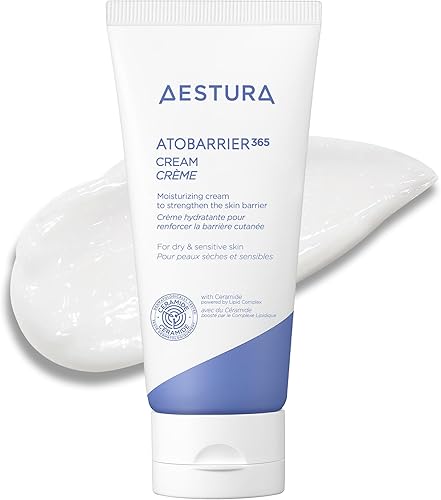
| AESTURA ATOBARRIER365 Cream | Ceramide capsules | Layer under or alternate with The Silk Cream on cracked patches | Rich, breathable |
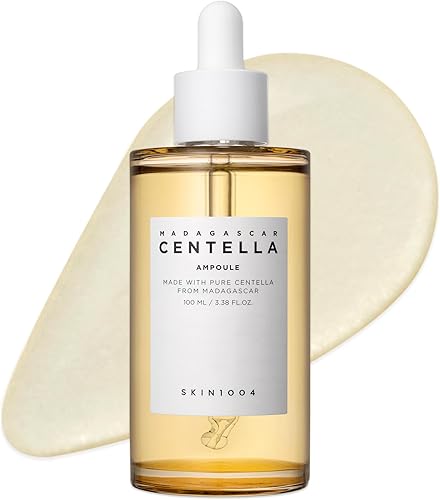
| SKIN1004 Madagascar Centella Ampoule | 49% centella asiatica extract | First serum step after rinsing salt off | Watery, thin |
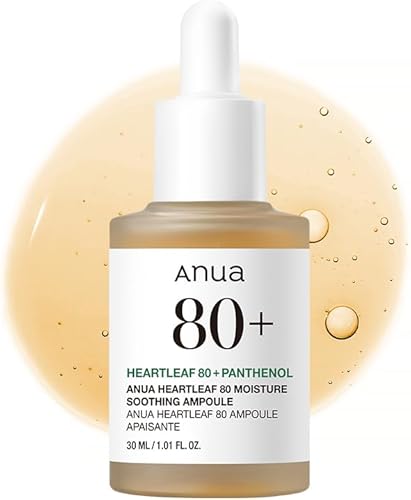
| Anua Heartleaf 80 Soothing Ampoule | Houttuynia cordata extract | Flush-reduction serum, evening of race day | Light gel-essence |
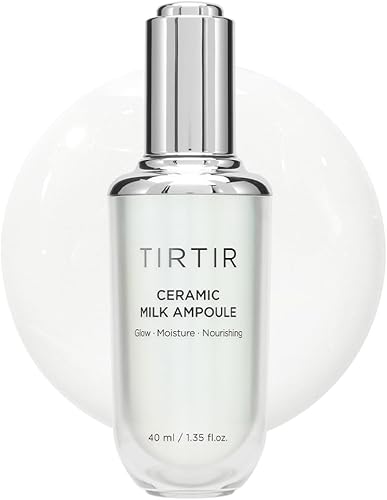
| TIRTIR Ceramic Milk Ampoule | Ceramide NP + niacinamide | Pre-Silk Cream barrier prep on training mornings | Milky, semi-rich |
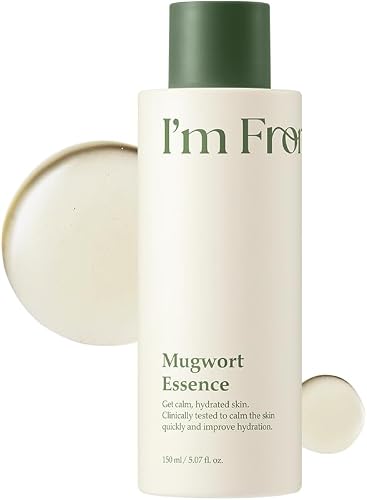
| I'm From Mugwort Essence | 100% Ganghwa mugwort extract | Calming compress for hot, stinging cheeks | Watery essence |
Five product picks that complement Tatcha The Silk Cream
AESTURA ATOBARRIER365 Cream — for the cracked patches Silk Cream cannot fully cover
If your windburn has crossed into visible flaking or tight, papery patches near the cheekbone, you need denser ceramide reinforcement than any single cream can provide. AESTURA's 120-hour ceramide-capsule formula is the workhorse Korean dermatologists reach for after barrier insult, and it pairs intelligently with The Silk Cream: use AESTURA in a thin layer on the worst patches, then The Silk Cream over the full face. The two textures do not pill together because both are emulsion-based and both prioritize ceramide compatibility. It is also fragrance-free, which matters when your face is already inflamed. Check AESTURA ATOBARRIER365 Cream on Amazon.
SKIN1004 Madagascar Centella Ampoule — first liquid step after the race
Centella asiatica (cica) is the single most-studied botanical for compromised barriers, and SKIN1004's ampoule delivers 49% extract with nothing else competing for attention. After you rinse the salt off, press a few drops onto damp cheeks before you reach for anything else. The thin watery texture absorbs in seconds without occluding heat, then The Silk Cream goes on top to seal it in. The Madagascar extract specifically (versus generic centella) is harvested at higher madecassoside concentrations, which is the compound most linked to redness reduction in clinical literature. Check SKIN1004 Centella Ampoule on Amazon.
Anua Heartleaf 80 Soothing Ampoule — for next-day flush
Houttuynia cordata, or heartleaf, behaves differently from centella. Where centella rebuilds, heartleaf calms vascular flushing — the persistent post-race redness that can linger 24 to 48 hours after a marathon. Anua's 80% heartleaf concentration is the right tool for the morning after, before you reapply The Silk Cream for your recovery walk. It also layers cleanly under sunscreen, which matters because your post-race cheeks are photosensitive for at least a week. Check Anua Heartleaf 80 Ampoule on Amazon.
TIRTIR Ceramic Milk Ampoule — training-week barrier prep
The week before a target race is not the time to introduce new actives, but it is the right time to fortify the barrier so that race-day wind has less to strip. TIRTIR's Ceramic Milk delivers ceramide NP alongside niacinamide in a milky, semi-rich texture that sits beautifully under The Silk Cream during taper week. Runners who use this combination through their final two long runs report measurably less post-run flush, anecdotally — the barrier simply has more lipid reserve to spend. Check TIRTIR Ceramic Milk Ampoule on Amazon.
I'm From Mugwort Essence — the cold compress alternative
Soaking two cotton rounds in I'm From Mugwort Essence, refrigerating them for 10 minutes, and laying them across your cheeks for five minutes is the closest a luxury K-beauty product gets to a clinical cold compress. The mugwort extract specifically targets the histamine-driven heat that follows wind exposure. Follow this with The Silk Cream on damp skin for the strongest barrier-rebuilding combination in this guide. Check I'm From Mugwort Essence on Amazon.
How The Silk Cream compares to other Tatcha moisturizers for athletes
Tatcha's Dewy Skin Cream is more humectant-forward and lighter; The Indigo Overnight Repair is occlusive and aimed at sensitized skin during sleep. For active recovery on race day, The Silk Cream sits in the sweet spot: rich enough to cushion abraded cheeks, light enough to wear under a brimmed hat or compression sleeve on a recovery walk. If you tend toward oilier T-zone skin and your windburn is isolated to the cheek apples, you can spot-treat with The Silk Cream on cheeks alone and stay with a lighter gel on the rest of the face. Our Tatcha vs Dr. Jart+ comparison covers how to think about texture trade-offs when your skin type does not match the product's full-face intent.
What not to do after a race
- No retinoids for 5-7 days. Your barrier is rebuilding lipids; retinoids accelerate turnover, which means peeling.
- No exfoliating acids. AHAs and BHAs on raw cheeks cause stinging that is not productive.
- No vitamin C for 48 hours. Low-pH C serums sting on compromised skin and offer no benefit until the barrier closes.
- No hot showers. Lukewarm only until visible redness fades.
- Do not skip sunscreen. Compromised skin is more photosensitive, not less. Use a gentle mineral SPF over The Silk Cream the next morning.
For a deeper dive on layering hydrators correctly during recovery weeks, our guide on using serums in a luxury skincare routine walks through compatibility logic.
Frequently Asked Questions
Can I apply Tatcha The Silk Cream to wind-burned cheeks before the race instead of after?
Yes, and this is actually one of the smartest uses. Apply a thin layer 30 minutes before warmup, allowing it to fully set so it does not interfere with sunscreen. The cream's occlusive component provides a partial physical buffer against the windflow over your cheeks during the first few miles, and the silk and rice extracts help slow transepidermal water loss across the race. Reapply post-race using the sequence above.
Is The Silk Cream comedogenic for runners who sweat heavily on long runs?
Tatcha does not publish comedogenic ratings, but the formula is non-fragrance-free, contains some plant extracts, and uses dimethicone among its emollients. Most runners with normal-to-dry skin tolerate it well during training. If you are acne-prone in the T-zone, restrict The Silk Cream to cheeks and chin only on long-run days and pair it with a lighter gel everywhere else.
How long do wind-burned cheeks take to fully recover after a marathon?
Visible redness usually fades within 48-72 hours if you stay consistent with hydrating essences, ceramide serums, and a barrier cream like The Silk Cream. Tightness and slight flaking can take 5-7 days. If redness persists past a week or you see broken capillaries, see a dermatologist — repeated marathon windburn can contribute to long-term telangiectasia on the cheeks.
Can I use a Korean centella ampoule instead of paying for Tatcha?
Centella ampoules excel at calming and rebuilding, but they do not deliver the same occlusive seal as a true cream. The most effective approach is to use both: centella as the serum step, The Silk Cream (or a similarly cushioning luxury cream) as the seal. If budget is the priority, AESTURA ATOBARRIER365 is the closest Korean analogue to The Silk Cream's barrier-cushion profile at a different price point.
Will The Silk Cream protect against UV-related windburn on race day?
No. The Silk Cream contains no SPF. You still need a dedicated mineral or hybrid sunscreen layered over it. UV exposure compounds windburn significantly, so an SPF 50 PA++++ sunscreen is non-negotiable for road racing, especially at altitude or on reflective surfaces.
Should I use The Silk Cream on training runs or save it for race day?
Use it during long training runs of 15+ miles when conditions match your goal race. This serves two purposes: it conditions your barrier so race-day damage starts from a stronger baseline, and it lets you confirm the product does not pill under your race-day sunscreen and visor. Save the brand-new jar for race week if you must, but never apply a new product for the first time on race morning.
What about the cheeks under a race hat or sun visor — different treatment?
The cheekbone area not shaded by a visor takes the brunt of both wind and UV. The forehead under the hat is usually fine. Concentrate The Silk Cream application on the lower cheek and upper jaw, and use a lighter essence-only step on shaded zones to prevent buildup and sweat blockage.
The bottom line for endurance athletes
For Tatcha The Silk Cream marathon runners wind-burned cheeks recovery, the cream itself is the right luxury anchor, but it works best as the final step in a sequence that begins with rinsing salt off, calming with a centella or mugwort essence, and reinforcing lipids with a ceramide ampoule. Skip exfoliants and retinoids for the week after a race, lean on the K-beauty companions above for affordable barrier support, and treat the seven days after a marathon as a recovery cycle for your face the same way you treat them as a recovery cycle for your legs. Your cheeks will thank you on the next start line.
Key Takeaways
- Choosing the right Tatcha The Silk Cream marathon runners wind-burned cheeks means matching capacity and output ports to your actual devices
- Always check actual watt-hours (Wh), not just watts — runtime depends on Wh, not peak output
- Also covers: Tatcha Silk Cream for outdoor runner skin
- Also covers: luxury cream for wind burn from running
- Also covers: Tatcha for endurance athlete facial irritation
- Compare price-per-Wh across models to find the best value for your budget