Using Tatcha Rice Wash for dry sensitive skin after double cleansing works best as a low-foam, pH-balanced polish that lifts residual surfactant film and refreshes the skin without stripping the lipid barrier you just protected. For reactive, dehydrated faces, the rice-powder formula provides mild enzymatic exfoliation while japonica rice bran and algae extracts replenish moisture. Used as a soft third step after an oil cleanser plus a hydrating gel or cream cleanser, it leaves the skin cushioned, slightly damp, and primed to absorb essences, ampoules, and ceramide moisturizers far more efficiently than a stripped, squeaky-clean surface would.
Why add Tatcha Rice Wash as a finishing cleanse
Traditional Korean and Japanese routines build double cleansing around two functions: dissolving oil-soluble debris (sunscreen, sebum, mascara) and then sweeping water-soluble dirt (sweat, pollution, hydrophilic actives). For most skin types this combination is enough. But dry sensitive skin often experiences a stinging aftermath from foaming gels or high-pH bars, especially after a long-wear SPF day. That is where Tatcha Rice Wash for dry sensitive skin after double cleansing becomes useful — not as a replacement for the two-step ritual, but as a soft, milky polish that resets the surface and visibly calms tightness within seconds.
When shopping for Tatcha Rice Wash for dry sensitive skin after double cleansing, it pays to compare specs, capacity, and real-world runtime before committing.
The cleanser's silky texture builds a paper-thin lather with the help of warm water rather than aggressive sulfates. The pH sits around 5.5, matching the skin's natural acid mantle, which means it does not push reactive complexions into the post-cleanse rebound flush familiar to anyone who has used a high-pH Korean foam. For an in-depth refresher on the underlying ritual, our guide to double cleansing in luxury Korean skincare walks through balm-to-water transitions, water temperature, and frequency for sensitized barriers.
When the third cleanse is a smart idea (and when to skip it)
Treat the Rice Wash as situational rather than nightly. Skin types that benefit most are:
- Chronically dry, flaky, or eczema-prone faces that cannot tolerate twice-daily foaming.
- Reactive complexions that flush after standard water-based cleansers.
- Anyone wearing layered mineral sunscreen plus tinted bases that leave a faint dulling residue.
- Travelers dealing with hard-water mineral deposits after washing.
Skip it on mornings when your skin already feels dewy, after at-home acid treatments, or on days you used a microneedle stamp serum. Over-cleansing remains one of the common mistakes when buying and using luxury skincare, and the Rice Wash is gentle enough that the temptation to over-apply is real.
How to use Tatcha Rice Wash after double cleansing
- Step one — remove makeup and sunscreen with a balm or oil cleanser, massaging for 60 seconds.
- Step two — emulsify with lukewarm water and rinse, then follow with a creamy or jelly water-based cleanser. Pat skin until just damp, not dry.
- Step three (the Rice Wash) — warm a hazelnut-sized scoop between damp palms for ten seconds until it transforms into a soft cream. Press onto the cheeks, forehead, and chin in slow circles, avoiding the eye area. Rinse with cool water and pat with a clean microfiber cloth.
- Step four — apply a hydrating essence or ampoule within thirty seconds while the skin is still slightly damp to lock in moisture.
Frequency is two to four nights per week for dry sensitive skin. On other nights, stop at step two. For a wider survey of cleanser sequencing across Japanese houses, our overview of classic luxury Japanese skincare techniques covers the philosophy behind layering hydration immediately after rinse.
Comparison: post-cleanse partners for Tatcha Rice Wash
Because the Rice Wash leaves the skin pH-balanced and porous, the next layer matters enormously. Below is a snapshot of standout Korean and Japanese serums and ampoules that pair beautifully with the Rice Wash on a dry sensitive complexion.
| Product | Key actives | Best for | Texture |
|---|---|---|---|
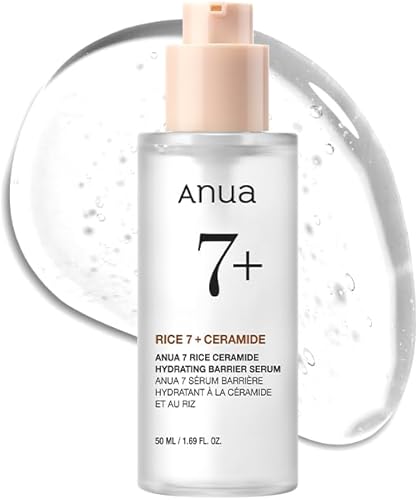
| Anua Rice Ceramide 7 Hydrating Barrier Serum | Rice extract, 7 ceramides, niacinamide, hyaluronic acid | Continuing the rice ritual; barrier repair | Lightweight milky |
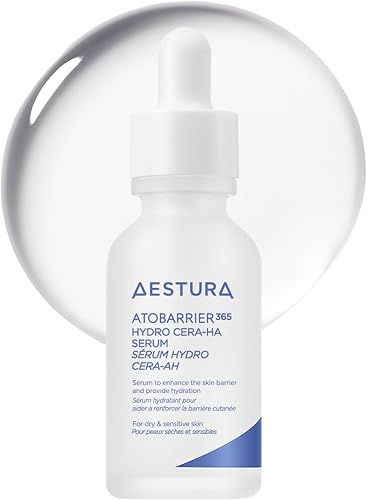
| AESTURA ATOBARRIER365 Hydro CERA-HA | Ceramide NP, hyaluronic acid, panthenol | Visible flaking and tight cheeks | Watery serum |
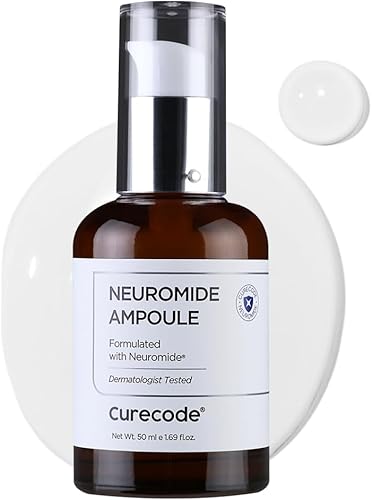
| CURECODE Neuromide Ampoule | Neuromide complex, multi-ceramides | Eczema-adjacent dryness | Cushiony cream-gel |
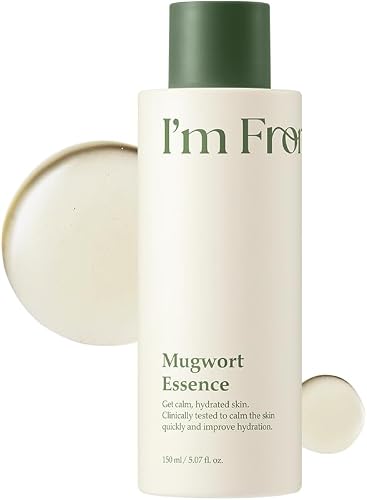
| I’m From Mugwort Essence | 100% mugwort extract | Redness flare-ups | Watery toner-essence |
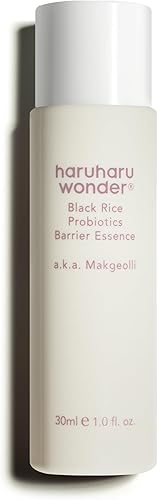
| haruharu Wonder Black Rice Probiotics Barrier Essence | Fermented black rice, probiotics, ceramide | Skin flooding technique | Lightly viscous |
Product picks to layer after Tatcha Rice Wash
Anua Rice Ceramide 7 Hydrating Barrier Serum
If you adopted the Tatcha Rice Wash because of its rice-based gentleness, doubling down on the same ingredient story makes sense. Anua's serum delivers seven ceramide families plus rice extract in a fragrance-free, non-comedogenic vehicle ideal for sensitive dry skin. Press a few drops over damp skin straight after rinsing the Rice Wash, and you can feel the tightness lift within a minute. It also layers beautifully under a cream without pilling. Check current pricing on Amazon.
AESTURA ATOBARRIER365 Hydro CERA-HA Serum
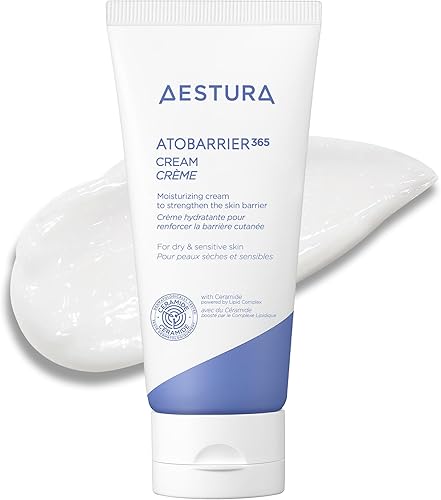
Developed by a dermatology-focused Korean lab, this serum is engineered around the ceramide ratio found in healthy stratum corneum. After the Rice Wash strips away surfactant residue, the watery serum slips in and rebuilds occlusive lipids. Reviewers with rosacea-prone, post-double-cleanse stinging skin consistently flag this one for visible reduction in red patches across the cheeks. Pair with the matching AESTURA ATOBARRIER365 Cream if your skin is so dry it drinks moisture through the night, or grab the serum alone on Amazon.
CURECODE Neuromide Ampoule
This 50ml ampoule was formulated specifically for dry sensitive skin in clinical recovery situations — think post-laser, winter wind burn, or eczema rebound. CURECODE's proprietary Neuromide molecule mimics natural ceramide signalling, which means a single layer after Tatcha Rice Wash often replaces the need for a thicker night cream on humid summer evenings. View it on Amazon.
I’m From Mugwort Essence
For complexions that flush after any cleanse — even a Tatcha one — this 100% mugwort extract essence cools and rebalances within seconds. Decant a small amount into the palm and press it over the entire face right after the Rice Wash. It is vegan, fragrance-light, and contains no alcohol, making it one of the safer choices in our wider roundup of top Korean and Japanese toners for deep hydration. Buy on Amazon.
haruharu Wonder Black Rice Probiotics Barrier Essence
This travel-size barrier essence is built around fermented black rice and a probiotic complex that strengthens the acid mantle — perfect after Tatcha Rice Wash returns the skin to its ideal pH. The lightly viscous texture suits layered “skin flooding,” where you slowly pat three to five thin layers into still-damp skin for a plumping rebound effect. Find it on Amazon.
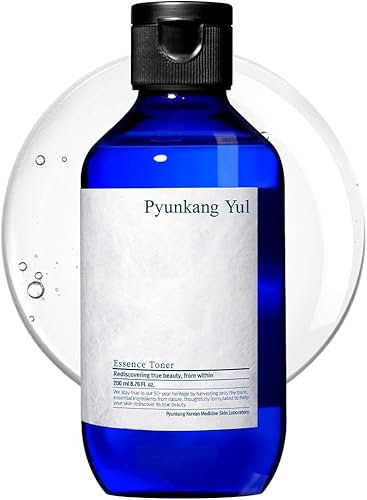
Pyunkang Yul Essence Toner
If your dry sensitive skin reacts even to fermented essences, Pyunkang Yul's minimalist toner uses just a handful of ingredients led by milk vetch root extract. Slap it on with the palms right after Tatcha Rice Wash to seal in residual humidity without introducing botanicals that could flare the barrier. Browse on Amazon.
Building the rest of the routine
After the Rice Wash and your essence or serum, dry sensitive skin needs occlusion. A light layer of squalane oil, a ceramide-rich Japanese emulsion, or a balm-style cream all work. For complete routine architecture, our editor's deep dive into a luxury Korean skincare routine shows precise order-of-application for a ten-step ritual that survives sensitive winter skin. If your priority is Japanese craft over Korean innovation, the top Japanese moisturizers for dry skin roundup compares Tatcha's own night cream against SK-II, Sekkisei, and Shiseido on slugging power.
Common pitfalls when using Tatcha Rice Wash post-double-cleanse
Hot water. Rice enzymes work in lukewarm conditions; hot water both denatures the bran proteins and breaks the lipid bilayer. Stay below body temperature.
Over-massage. The cleanser is so gentle that users keep going for two or three minutes. Thirty to forty-five seconds is enough on dry skin — longer contact can micro-strip even a low-pH formula.
Not following with hydration fast enough. The 30-second post-rinse window is when humectants bind best. Have your essence open before you reach for the towel.
Pairing with strong actives. Avoid stacking Rice Wash with at-home glycolic peels or strong retinol the same night. The polishing action is mild, but cumulative exfoliation can compromise the barrier in 7–10 days.
How Tatcha Rice Wash compares to other Japanese options
Tatcha is not the only luxury Japanese house using rice in cleansers. Decorté, Shiseido, and Albion each have their own takes, while Amorepacific (technically Korean) uses fermented bamboo as a parallel philosophy. Our comparison piece on Tatcha vs Amorepacific goes deeper into how the two brands approach the same goal — a glow that holds even when the surface is damp from a recent cleanse — while Tatcha vs Dr. Jart+ skincare covers the more clinical Korean angle for sensitive skin.
Frequently Asked Questions
Is Tatcha Rice Wash safe to use every night after double cleansing?
For most dry sensitive skin, two to four nights per week is the sweet spot. The formula is gentle, but a daily third cleanse can slowly nudge the barrier toward dehydration. Reserve other nights for a simple oil-plus-cream cleanse and skip step three entirely. Watch for any tight feeling after rinsing — if it appears, scale back to twice weekly.
Can I use Tatcha Rice Wash as my only cleanser without double cleansing first?
Only on no-makeup, no-sunscreen mornings. Rice Wash is not designed to dissolve heavy oil-based residues like waterproof SPF or long-wear foundation. Used alone on a clean face it makes an excellent morning rinse for very dry skin, but on a full-makeup day it should follow an oil or balm cleanser to ensure the surface is genuinely clean.
What is the best essence to apply right after Tatcha Rice Wash on sensitive skin?
The Anua Rice Ceramide 7 serum and the I'm From Mugwort Essence are the two strongest matches because both prioritise calming and barrier reinforcement over actives. Sensitive complexions should avoid strong acids, denatured alcohol, or fragrance-heavy essences immediately after cleansing, when the skin's tight junctions are most permeable.
Does Tatcha Rice Wash exfoliate enough to replace a chemical exfoliant?
No, and that is by design. The enzymatic action is mild — comparable to a polishing veil rather than a peel. For dry sensitive skin you generally want to keep AHA or BHA use to once a week at most, and Rice Wash can act as the in-between maintenance polish that keeps texture smooth without triggering reactivity.
Will Tatcha Rice Wash strip my skin if I have a damaged moisture barrier?
It is one of the less likely cleansers to cause stripping, but on a fully compromised barrier (visible peeling, burning sensation, or active eczema) you should pause all cleansers except a gentle water rinse. Once the barrier is calmer, reintroduce Rice Wash slowly as a third step two nights per week, alongside ceramide-rich serums like the AESTURA ATOBARRIER365 Hydro CERA-HA.
How does the Tatcha Rice Wash compare to a Korean rice cleanser like Beauty of Joseon's?
Both lean on rice-derived starches and bran for the same starch-soothing effect, but Tatcha's powder-to-cream texture and Japanese algae infusion give it a softer, more milky finish that dry sensitive skin tends to prefer. Korean rice cleansers usually foam more and rinse cleaner, which suits combination skin better. If you compare them side-by-side, the Tatcha tends to leave skin feeling cushioned, while the Korean versions leave it feeling refreshed.
Can I use Tatcha Rice Wash in the morning instead of at night?
Absolutely. In the morning there is no sunscreen or makeup to remove, so the Rice Wash can act as your sole cleanser. Skip the double cleanse and use Rice Wash alone — it removes overnight skincare residue without dehydrating the skin, leaving a soft canvas for morning serums and SPF. For dry sensitive skin, a single morning Rice Wash is gentler than splash water alone, which can deposit hard-water minerals on the face.
What if I cannot afford Tatcha — is there a Korean dupe that pairs with double cleansing the same way?
Rice-based powder-to-foam cleansers from Korean labs replicate the texture and the gentle exfoliation, though without the Tatcha algae-and-camellia signature finish. Pair any low-pH Korean rice cleanser with ceramide serums above for similar barrier-friendly results. Our piece on choosing luxury skincare products covers when paying up actually pays off and when a Korean alternative does the same job.
Key Takeaways
- Choosing the right Tatcha Rice Wash for dry sensitive skin after double cleansing means matching capacity and output ports to your actual devices
- Always check actual watt-hours (Wh), not just watts — runtime depends on Wh, not peak output
- Also covers: Tatcha Rice Wash second cleanse dry sensitive skin
- Also covers: Tatcha Rice Wash review reactive skin barrier
- Also covers: best second cleanser after oil cleansing sensitive
- Compare price-per-Wh across models to find the best value for your budget