As an Amazon Associate this site earns from qualifying purchases.
Yes — SUQQU The Cream for sushi chefs hot counter dehydration flush is one of the rare luxury Japanese moisturizers built for exactly this kind of stress: ten-hour shifts behind a 90°F neta case, intermittent rice-steam blasts, ice-water hand rinses every ninety seconds, and a face that goes from flushed to tight to flushed again before service ends. SUQQU The Cream pairs a high-emollient cushion (squalane, shea, plant butters) with the brand's signature massage-friendly slip, so it stays put under a chef coat collar and a steamy itamae station. Below, we break down why it works for hot-counter skin, how to layer it, and which Korean barrier serums slot underneath it for chefs who finish the night with a visible "sushi flush" across the cheeks and nose.
Why sushi chefs get hot-counter dehydration flush
The itamae's workstation is a microclimate problem. Rice koshiki release pulses of 200°F steam every few minutes. The neta case in front of you runs at 34–38°F and pulls humidity out of the air directly in front of your face. You rinse your hands in ice water, then immediately handle warm shari. Your face sits in the convection seam between hot and cold for the full service.
When shopping for SUQQU The Cream for sushi chefs hot counter dehydration, it pays to compare specs, capacity, and real-world runtime before committing.
Skin responds with what dermatologists informally call a "thermal dehydration flush": transepidermal water loss spikes, vasodilation persists across the cheeks and nose, and the stratum corneum loses its ability to hold the moisture you do apply. By the time you bow out at 11 p.m., your face feels simultaneously oily (compensatory sebum) and parched (depleted ceramides). Standard luxury moisturizers don't address this dual state — they're either too occlusive (you sweat through them) or too light (they evaporate under the steam).
- INTENSE MOISTURE & SKIN BARRIER REPAIR - Formulated with a powerful combination of Ceramide and Neuromide to deeply hydrate dry sensitive skin, effectively restoring and
- PREMIUM NIACINAMIDE GLOW & RADIANCE - Infused with high-performance Niacinamide to brighten dull skin, refine uneven skin tone, and improve overall clarity for a luminous
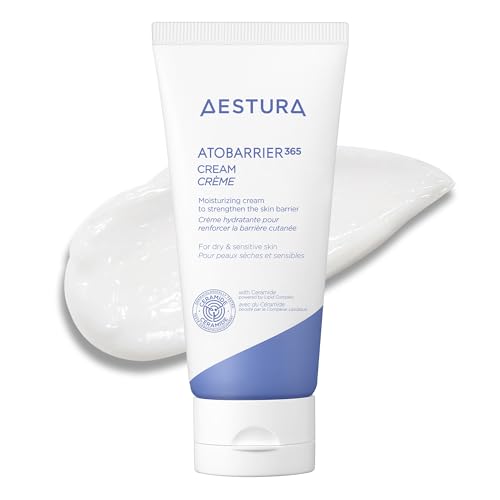
- PATENTED BARRIER-BOOSTING CERAMIDE CAPSULES: High-density ceramides are delivered to skin through unique capsule technology that help replenish moisture barrier in sensitive skin
- TRIPLE LIPID COMPLEX: A powerful blend of ceramides, fatty acids, and cholesterol helps strengthen the skin barrier, locking in moisture and protecting against external aggressors
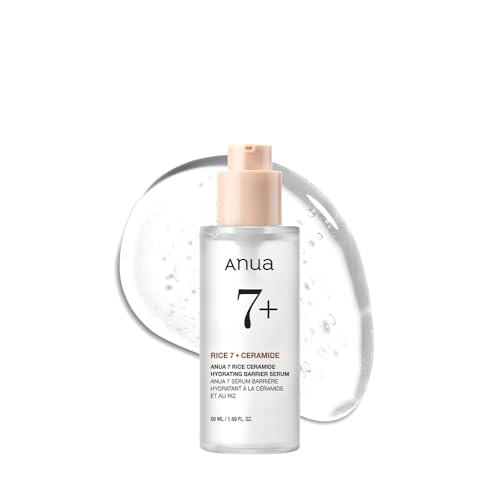
- [Daily Korean Serum] Formulated with 3% Niacinamide and Arbutin to hydrate and balance skin, helping achieve a clear, refreshed look like washing with rice water, suitable for
- [Unique Elastic Texture] A blend of Honey Extract and Rice Extract creates an elastic, moisture-rich texture that delivers hydration while absorbing quickly with a fresh
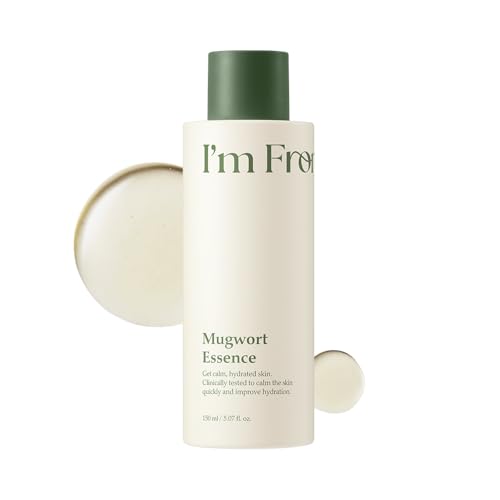
- 100% Mugwort Extract Essence: Crafted with a single plant-based ingredient to deliver gentle, calming care with a clean, minimalist formula
- Lightweight Hydration Without Stickiness: Watery texture absorbs quickly into the skin, leaving a fresh, comfortable finish suitable for daily use
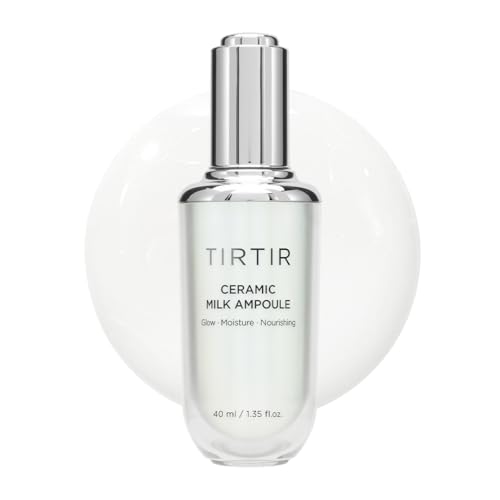
- [INSTANT GLASS SKIN] Our formula, enriched with a high-nutrient, elastic hydration glow coating, effortlessly embraces your skin; No more stress from dryness as it keeps your
- [GOODNESS FOUND IN NATURE] Squalane ensures deep and long-lasting moisture, while rice bran extract shields your skin from harmful free radicals, promoting a clear and radiant
Quick comparison for hot-counter skin
| Product | Best role | Texture | Use when |
|---|---|---|---|
| SUQQU The Cream | Final occlusive seal | Cushioned satin | Worst flush nights, winter service |
| AESTURA ATOBARRIER365 Cream | Daily ceramide cream | Light balm | Weeknight rotation under SUQQU |
| Anua Rice Ceramide 7 Serum | Pre-cream loader | Light serum | Every shift, post-shower |
| CURECODE Neuromide Ampoule | Targeted calming | Watery ampoule | Visible sustained redness |
| I'm From Mugwort Essence | First-step calming | Watery essence | Acute flush, pre-routine |
| TIRTIR Ceramic Milk Ampoule | Summer finisher | Milky fluid | Hot months, off-night routine |
Why SUQQU The Cream suits the hot counter
SUQQU is the Tokyo prestige house behind the "gankin massage," and The Cream was formulated to perform during and after deep manual work on the face. For sushi chefs dealing with SUQQU The Cream for sushi chefs hot counter dehydration, three properties matter:
- Cushioned slip without surface shine. The cream stays workable for the 60 seconds you'd actually massage it in pre-service, then sets to a satin finish that doesn't read greasy under hood lights or in front of guests.
- Layered emollients above a humectant base. Squalane and butters cap a glycerin/sodium hyaluronate core, which is exactly the structure that resists the steam-then-chill cycle behind the case.
- Fragrance restraint. Heavy florals interfere with neta evaluation by smell. SUQQU's signature is quiet enough that sashimi work stays uncompromised.
It is a luxury price point. For chefs who only flush during summer or only on tasting-menu nights, you may not need it daily — but as a finisher on the worst shifts, it earns its keep.
The hot-counter layering routine
The mistake most chefs make is reaching for richness first. The fix is the opposite: load humectants under the barrier seal, then let SUQQU The Cream sit on top as the occlusive finisher. A working stack looks like this:
- Pre-service (90 minutes before doors): low-pH cleanse, ferment essence, ceramide serum, light emulsion. Skip The Cream here — you want skin breathable while you set up.
- Post-service (within 20 minutes of last guest): double cleanse to lift fish oils, fermented essence, hydrating ampoule, ceramide cream, then SUQQU The Cream sealed over the cheek and nose triangle where the flush concentrates.
- Overnight: on heavy-flush nights, sleep on a silk case and skip retinoids — your barrier is already running a deficit.
Korean barrier picks that layer cleanly under SUQQU
SUQQU The Cream is the seal. What goes underneath determines whether the flush actually resolves overnight. These are the K-beauty serums and creams most worth considering for behind-the-counter skin in 2026.
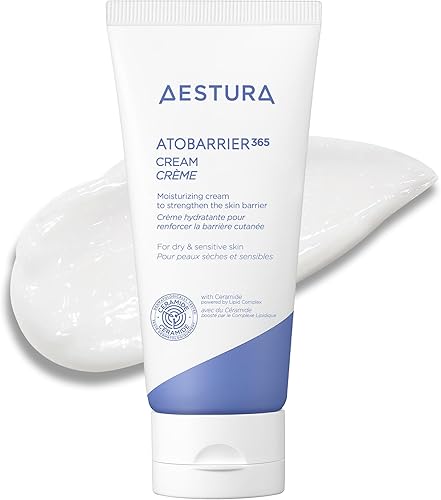
AESTURA ATOBARRIER365 Cream — the ceramide workhorse
AESTURA's ATOBARRIER365 is the Amorepacific clinical line built around encapsulated ceramide capsules. For chefs whose flush is driven less by heat itself and more by ceramide depletion from the steam-chill cycle, this is the cream to layer under SUQQU on weeknights when you're rationing the SUQQU jar. The 120-hour hydration claim is hyperbolic but the barrier-repair data on this formula is real, and the texture is light enough not to pill.
AESTURA ATOBARRIER365 Cream with Ceramides
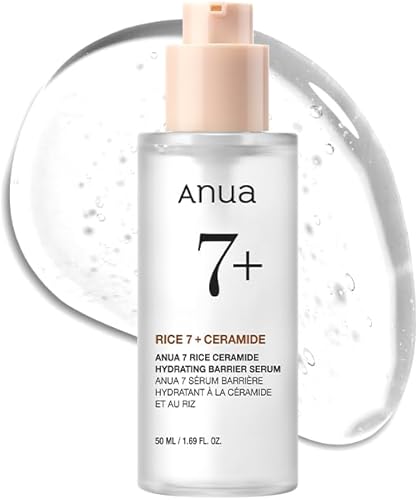
Anua Rice Ceramide 7 Hydrating Barrier Serum — the pre-cream loader
This is the serum to flood the cheeks with before any cream goes on. Seven ceramide identicals plus niacinamide and HA give you the humectant-and-lipid cocktail that reverses transepidermal water loss within a single overnight cycle. It absorbs in under a minute, which matters on those nights when you got home at midnight and almost skipped routine entirely.
Anua Rice Ceramide 7 Hydrating Barrier Serum
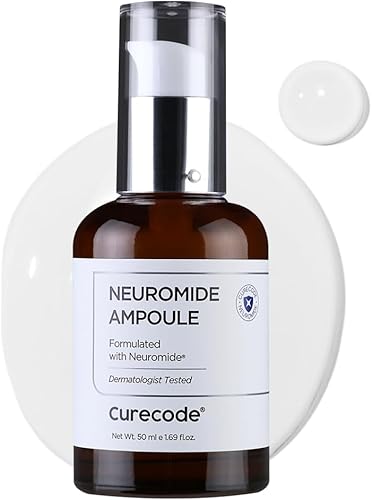
CURECODE Neuromide Ampoule — for visible flush that won't calm
CURECODE was developed out of Seoul National University Hospital's barrier-research group and formulated specifically for visibly inflamed, reactive skin. If your hot-counter dehydration is presenting as a sustained red triangle across the nose and cheeks that doesn't fade within an hour of leaving the kitchen, this is the ampoule to slot in before your ceramide cream.
CURECODE Neuromide Ampoule 50ml Hydrating Facial Serum for Dry
I'm From Mugwort Essence — the calming first step
Korean mugwort (ssuk) is the go-to botanical for thermally provoked redness. I'm From's essence is 100% mugwort extract from Ganghwa Island and works as the very first step after cleansing to take the heat down before the rest of your routine layers on. Cheap enough to use generously, which is what you want when you're soaking a cotton pad and pressing it across the flushed zone.
TIRTIR Ceramic Milk Ampoule — the lightweight finisher for summer service
In peak summer, SUQQU The Cream can feel too occlusive even for chefs dealing with sushi chefs hot counter dehydration. TIRTIR's Ceramic Milk Ampoule is the warm-weather substitute: ceramide-NP-rich, milky-light, and finishes to a satin that doesn't transfer to your hat band. Use it as a midweek alternative when the heat index pushes the SUQQU into "too much" territory.
TIRTIR Ceramic Milk Ampoule (1.35 Fl Oz)
Behind-the-counter workflow tips
Skincare is only half the answer. The other half is reducing thermal load during the shift:
- Cotton vs. silk under the hat. Silk wicks less and traps less steam against the forehead — fewer perimeter flush triggers.
- Cold rinse the wrists, not the face. The vasoconstriction signal carries up; rinsing your face mid-service shocks the skin and increases TEWL.
- SPF in the morning even if you never see the sun. Chronic facial flush trains pigmentation; UV exposure in your prep window will set it permanently.
- One alcohol-free toner pad in your station drawer. Quick refresh between courses without disrupting the steam line.
For more on Japanese-luxury layering specifically, see our notes on luxury Japanese skincare techniques and on top Japanese moisturizers for dry skin. If you're building the rest of your routine around SUQQU, our luxury Korean skincare routine guide pairs well, and the using serums in luxury skincare primer covers the order-of-operations questions that come up most.
Frequently Asked Questions
Is SUQQU The Cream worth it for sushi chefs working five+ shifts per week?
If your flush is chronic and visible by end of service, yes — but ration it. Use SUQQU two to three nights per week on the heaviest shifts and rotate AESTURA ATOBARRIER365 on the lighter nights. A 30g SUQQU jar will last 4–5 months at that cadence, which puts the cost-per-use in the same range as a mid-tier Korean cream used nightly.
What's the difference between hot-counter dehydration and ordinary kitchen rosacea?
Rosacea is a chronic inflammatory condition that flushes from many triggers (alcohol, spice, sun, stress). Hot-counter dehydration flush is acute and barrier-driven — it resolves when the barrier is replenished. If your redness persists 24+ hours after a day off, see a dermatologist; if it fades overnight with a ceramide-heavy routine, you're dealing with barrier depletion, not rosacea.
Can I use SUQQU The Cream during service, not just after?
Most itamae we've heard from apply it once pre-shift (very thin) and again post-shift (full layer). Reapplying mid-service is impractical — your hands are committed — and the steam will largely lift a fresh application anyway. The pre-shift thin layer is what actually carries you through the shift.
What Korean serum works best under SUQQU for sushi chefs hot counter dehydration with active breakouts?
If you're flushing and breaking out (a common combo when sebum compensates for barrier loss), skip the heavy ampoules and use CURECODE Neuromide as the calming step plus Anua Azelaic Acid 10 Hyaluron for the breakout zones. Azelaic acid is one of the few actives that addresses both inflammation and acne without trashing the barrier further.
Will SUQQU The Cream stain my chef coat collar?
No — the formula is colorless and the finish sets within five minutes. The bigger risk is transfer to your hat band if you apply too heavily across the forehead. Keep the heavy layer to the cheeks and nose triangle where the flush actually presents.
Is there a Korean alternative to SUQQU The Cream at a lower price point?
For pure barrier sealing, AESTURA ATOBARRIER365 Cream is the closest functional equivalent and roughly a quarter of the price. You give up the SUQQU massage glide and signature scent restraint, but the actual barrier-repair work is comparable. Many chefs use AESTURA as the daily and reserve SUQQU for off-nights and recovery shifts.
Should I add a NAD+ or peptide serum for long-term anti-aging given how my skin behaves at work?
Eventually, yes. Chronic flushing accelerates visible aging — chefs in their 40s tend to show fine lines across the upper cheeks earlier than office workers. THE WHOO Ultimate Recovery NAD Power Ampoule slots in well two to three nights per week, but only after your barrier is stable. Starting actives on a depleted barrier will make the flush worse, not better.
For broader purchasing context, see our guide to choosing luxury skincare products. Affiliate links above earn us a small commission at no cost to you — full details on our affiliate disclosure page.
Key Takeaways
- Choosing the right SUQQU The Cream for sushi chefs hot counter dehydration means matching the key features to your specific needs and budget
- Read real customer reviews and check the return policy before you commit
- Also covers: suqqu the cream sushi chef facial flushing review
- Also covers: suqqu cream for itamae hot rice steam skin
- Also covers: luxury japanese cream for restaurant kitchen heat
- Compare value across models — the priciest option is not always the best fit