Comparison: Barrier & Cushion Products for Pressure-Point Skin
| Product | Best For | Key Ingredient | Texture | Fragrance |
|---|---|---|---|---|
| SEKKISEI Emulsion | Pola B.A. Lotion alternative | Job’s Tears extract, vitamin C | Milky emulsion | Light herbal |
| AESTURA ATOBARRIER365 Cream | Occipital / headrest zone | Ceramide capsules | Rich cream | Fragrance-free |
| CURECODE Neuromide Ampoule | Red, thinning cheekbone patches | Neuromide (ceramide analog) | Fluid ampoule | Fragrance-free |
| Anua Rice Ceramide 7 Serum | Daily barrier layering | Rice ceramides, niacinamide | Lightweight serum | Fragrance-free |
| I’m From Mugwort Essence | Cannula bridge / chin-strap | Mugwort extract | Watery essence | Herbal |
For caregivers and daily wheelchair users searching pola ba lotion for wheelchair users with facial pressure points, the answer starts with texture and biology. Pola B.A. Lotion is a viscous Japanese emulsion engineered to sit on the skin like a cushion — which is precisely what pressure-loaded zones (headrest occiput, cheekbone rests, oxygen cannula bridges, chin-strap contact) need most. Prolonged compression restricts microcirculation, thins the stratum corneum, and creates chronic dry, red, sometimes shiny facial pressure points. A rich lotion layered under a ceramide cream restores barrier lipids without demanding heavy massage — a critical detail when mobility, hand strength, or facial sensation is limited.
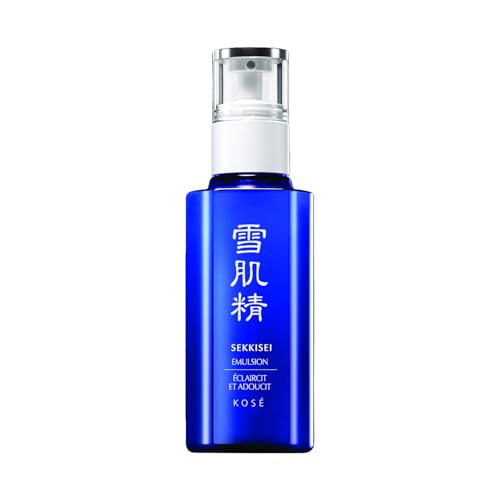
- LIGHTWEIGHT VITAMIN C MOISTURIZER: This silky facial emulsion delivers moisture while providing the benefits of a serum. The lightweight formula absorbs quickly to help skin feel
- BOTANICAL CARE: Job’s Tears Extract and Vitamin C (Ascorbyl Glucoside) in our facial moisturizer help enhance the appearance of radiance and improve the look of uneven skin tone
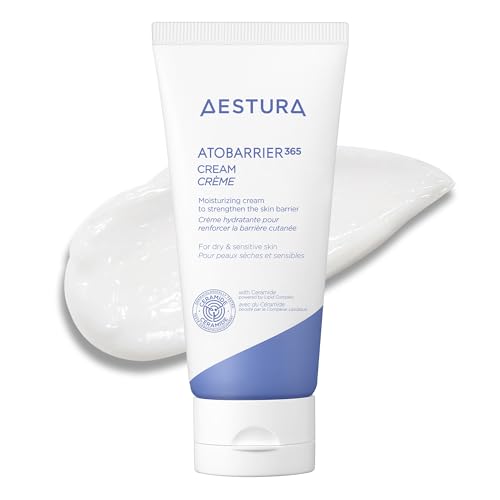
- PATENTED BARRIER-BOOSTING CERAMIDE CAPSULES: High-density ceramides are delivered to skin through unique capsule technology that help replenish moisture barrier in sensitive skin
- TRIPLE LIPID COMPLEX: A powerful blend of ceramides, fatty acids, and cholesterol helps strengthen the skin barrier, locking in moisture and protecting against external aggressors
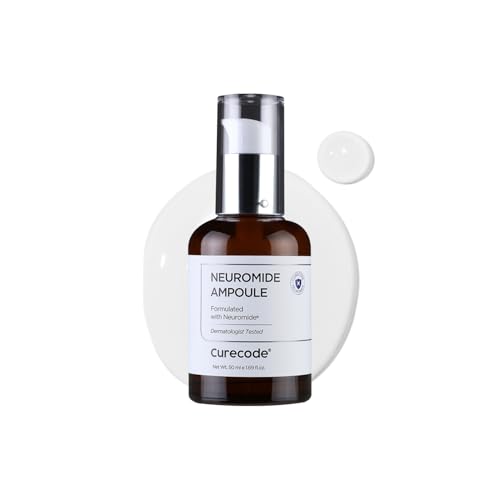
- INTENSE MOISTURE & SKIN BARRIER REPAIR - Formulated with a powerful combination of Ceramide and Neuromide to deeply hydrate dry sensitive skin, effectively restoring and
- PREMIUM NIACINAMIDE GLOW & RADIANCE - Infused with high-performance Niacinamide to brighten dull skin, refine uneven skin tone, and improve overall clarity for a luminous
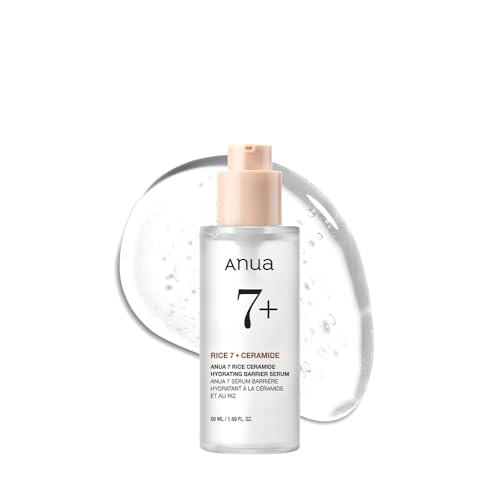
- [Daily Korean Serum] Formulated with 3% Niacinamide and Arbutin to hydrate and balance skin, helping achieve a clear, refreshed look like washing with rice water, suitable for
- [Unique Elastic Texture] A blend of Honey Extract and Rice Extract creates an elastic, moisture-rich texture that delivers hydration while absorbing quickly with a fresh
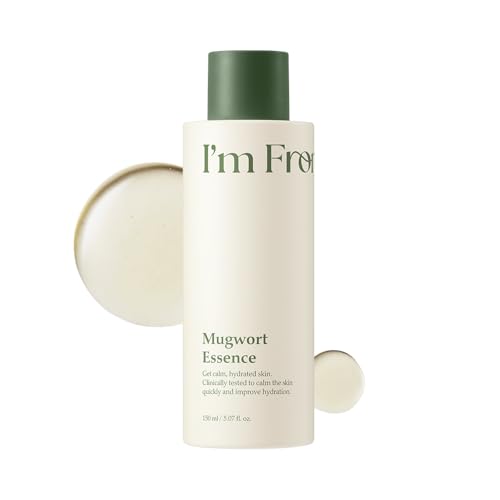
- 100% Mugwort Extract Essence: Crafted with a single plant-based ingredient to deliver gentle, calming care with a clean, minimalist formula
- Lightweight Hydration Without Stickiness: Watery texture absorbs quickly into the skin, leaving a fresh, comfortable finish suitable for daily use
Why Facial Pressure Points Behave Differently in Wheelchair Users
Full-time wheelchair users, especially those in power chairs with headrests, occipital pads, lateral thoracic supports that reach the jawline, or non-invasive ventilation masks, experience a very different pattern of facial skin stress than the general population. Points that constantly touch equipment develop what dermatologists sometimes describe as “device-related pressure injury” skin: a shiny, thinned, easily irritated patch that alternates between dry flaking and inflamed reactivity. The zygomatic arch (cheekbone), the mandibular angle, the temporal region under padded head supports, and the forehead under CPAP straps are the most common trouble spots. Because these areas are chronically load-bearing, they lose ceramide reserves faster and heal slower than the rest of the face.
Finding the right pola ba lotion for wheelchair users with facial pressure points comes down to matching the features to how you will actually use it.
Skincare for these zones has to do three things at once: cushion the skin (add lipid mass so the pressure isn’t distributed through a paper-thin barrier), calm inflammation (because friction and compression drive low-grade dermatitis), and stay non-comedogenic (many wheelchair users also have limited ability to double-cleanse, so heavy occlusives that clog are risky). This is why a luxury Japanese emulsion like Pola B.A. Lotion, which is built around a hydrating base with lipid conditioning, translates so well to pressure-point care — it delivers lipid cushion without a greasy film.
How Pola B.A. Lotion Fits a Reduced-Friction Routine
Pola B.A. Lotion is designed as the first hydrating step after cleansing in the traditional Japanese four-step ritual (cleanse, lotion, milk, cream). The lotion itself has more viscosity than a Western toner but less than a serum, and it is meant to be pressed into the skin with the palms rather than swept with a cotton pad. For wheelchair users, this palm-pressing method has three advantages: it eliminates the friction of cotton across already-fragile pressure zones, it can be performed one-handed if needed, and it delivers a controlled amount of product exactly where compression damage is worst.
Users specifically searching pola ba lotion for wheelchair users with facial pressure points typically want to know whether the formula is safe under prolonged occlusion (from a headrest or mask) — the answer, based on its emollient-forward, fragrance-light composition, is that it layers well under contact points as long as it is fully absorbed before the head is repositioned against padding. For daytime use under masks or head supports, a 30-second pat-and-wait window before contact helps prevent product transfer and pilling.
Our Top Picks for Pressure-Point Skincare Around a Pola B.A. Routine
The Closest Japanese Emulsion in Spirit — SEKKISEI Emulsion
If Pola B.A. Lotion sits at the very top of the Japanese luxury pyramid, SEKKISEI Emulsion from Kose is the historically minded, widely available Japanese emulsion that shares its philosophy: hydrate first, then cushion. For wheelchair users, SEKKISEI Emulsion is easier to source globally and priced for daily generous use over pressure points without hoarding. The Job’s Tears extract has a long history in Japanese skincare for calming reactive skin, and the milky texture pats into the skin with almost no friction — important when a caregiver is applying with a gloved hand or when a user is applying one-handed. It layers cleanly under a heavier ceramide cream at the highest-contact zones. See SEKKISEI Emulsion on Amazon.
Best Ceramide Cushion for Headrest Contact — AESTURA ATOBARRIER365 Cream
Where SEKKISEI provides the hydrating base, AESTURA ATOBARRIER365 provides the physical cushion. This Korean barrier cream uses encapsulated ceramide capsules that release lipids over a claimed 120 hours — a genuinely useful property for occipital and lateral pressure zones that are compressed for 10 to 14 hours a day. It is fragrance-free, non-comedogenic, and thick enough to visibly plump thinning skin without sitting greasy under a headrest cover. Caregivers can apply a slightly heavier layer to the specific contact points at bedtime, when repositioning is planned, so the ceramide reservoir has time to build. Check AESTURA ATOBARRIER365 Cream on Amazon.
Best Ampoule for Red Cheekbone Patches — CURECODE Neuromide Ampoule
CURECODE’s Neuromide is a next-generation ceramide analog designed for very dry, reactive skin — the exact profile of a chronic pressure point that flakes one day and flushes the next. The fluid ampoule texture is unusually kind to compromised skin: it does not sting, has no fragrance, and can be dropped directly onto the cheekbone or temple zone before pressing in with a knuckle for users with limited grip. Because it is a ceramide-focused ampoule rather than an actives-heavy anti-aging one, it works safely under a Pola B.A.-style routine or an emulsion layer without conflict. Shop CURECODE Neuromide Ampoule on Amazon.
Best Everyday Barrier Serum — Anua Rice Ceramide 7
Not every product for pressure-point skin needs to be a heavy hitter. For daily use across the whole face — not only the compression zones — Anua Rice Ceramide 7 is a lightweight, fragrance-free serum with rice ceramides, hyaluronic acid, and niacinamide. It is the kind of routine anchor that keeps the surrounding skin healthy so that the pressure zones do not have to compete with a dry, tight canvas. For caregivers who bathe and dress a wheelchair user, it also has a satisfying property: one pump covers the full face and neck, minimizing repeated dispensing and handling. See Anua Rice Ceramide 7 on Amazon.
Best Calming Layer for Cannula and Strap Zones — I’m From Mugwort Essence
Oxygen cannulas, CPAP straps, and chin-support hardware create a specific pattern of irritation: linear red lines along the philtrum, at the corners of the mouth, and along the mandible. Mugwort (artemisia) is one of the most established calming botanicals in Korean skincare, and I’m From’s single-origin Ganghwa mugwort essence delivers it in a watery, fragrance-forward but sting-free formula. Used specifically along cannula and strap tracks, once in the morning and once at night after equipment removal, it visibly reduces the persistent pink line that so many long-term users assume is permanent. Check I’m From Mugwort Essence on Amazon.
Application Notes for Caregivers and Independent Wheelchair Users
The single most useful adjustment when adapting a luxury Japanese routine like Pola B.A. Lotion for a wheelchair user with facial pressure points is to change the delivery method. Sweeping motions with cotton or gauze — standard in a Western application — drag across the very tissue that is already compromised. Instead, dispense the lotion into a warmed palm, then press-and-hold for three seconds against each pressure zone. This delivers the cushion effect where it is needed and avoids the friction that undoes it. For further routine building, our guides on top Japanese moisturizers for dry skin and luxury Japanese skincare techniques both cover press-application methods in detail.
Timing matters as much as method. Apply the lotion at least 90 seconds before the head is repositioned against a headrest or before a mask is refitted, so the emulsion is fully absorbed and does not transfer to fabric or silicone. At night, apply after the final transfer to bed, so the skin is undisturbed for the ceramide reservoir to work. If a caregiver is managing the routine, keeping the lotion bottle warm (room temperature or held in the caregiver’s hand for 30 seconds before dispensing) makes the product feel softer on skin and easier to press in evenly.
Users who want the Pola brand experience specifically but also need daytime sun protection over pressure zones should look at the brand’s daylight range as well — our review of the Pola B.A. Light Selector sunscreen covers how it layers over the lotion for outdoor use.
Building the Rest of the Routine Around Pola B.A. Lotion
Because Pola B.A. Lotion is a step-two product in the traditional Japanese sequence, it works best when the step-one cleanser is genuinely gentle. For pressure-point skin, avoid foaming cleansers with sulfates and instead use a low-lather cream or milk cleanser applied with fingertips. Follow the lotion with a milk or emulsion (SEKKISEI or a Korean equivalent works well here), then a ceramide cream over the specific contact zones. For anyone shaping this into a longer daily practice, our overview of a full luxury Korean skincare routine shows how to alternate Japanese and Korean steps without overwhelming the barrier.
One practical caution: while pola ba lotion for wheelchair users with facial pressure points is an excellent baseline, avoid layering high-percentage exfoliating acids (glycolic, salicylic) directly on active pressure zones. These areas already have thinned skin, and acid exposure on compressed tissue can trigger a burning or stinging reaction that would not occur on unaffected skin. Reserve any AHA/BHA products for the T-zone and forehead outside of strap or mask lines.
Frequently Asked Questions
Is Pola B.A. Lotion safe to use under a CPAP mask or oxygen cannula?
Yes, provided you give it a full absorption window before refitting the equipment. Apply the lotion 90 seconds to two minutes before mask or cannula placement so it fully sinks in and does not create a slip layer between silicone and skin. If you notice mask migration, extend the wait time by another minute rather than skipping the lotion — the barrier benefit is what protects the strap line.
How is a Japanese lotion different from a Western toner for pressure-point skin?
A Japanese lotion like Pola B.A. Lotion is a hydrating emulsion, not an astringent. Western toners historically balance pH or remove residue and can be drying; Japanese lotions add moisture and lipid conditioning as a step-two treatment. For thinned, compressed skin over pressure zones, the Japanese format is significantly gentler and more restorative.
Can a caregiver apply this routine one-handed if the user cannot?
Yes. Choose bottles with pump dispensers when possible, warm the product in a gloved palm, and use a three-second press against each zone rather than sweeping motions. The SEKKISEI Emulsion and CURECODE Neuromide Ampoule both work well one-handed because of their fluid textures and forgiving dosing.
What ingredients should be avoided on chronic facial pressure points?
Avoid high-percentage AHAs and BHAs on active pressure zones, physical scrubs, high-strength retinoids, and heavily fragranced products (essential oils in particular). These can sensitize skin that is already compromised by mechanical stress. Ceramides, panthenol, madecassoside, niacinamide, and mugwort are all safe and useful.
How often should the lotion be reapplied throughout the day?
Twice daily is the standard cadence — morning and night — but a midday touch-up on the specific pressure zones is reasonable during long chair days. A small decant in a travel bottle, applied by patting after any repositioning break, extends the barrier benefit without disrupting the day.
Are there Korean alternatives that work similarly to Pola B.A. Lotion?
Yes. Korean essence-textured products like SU:M Secret Essence, DANAHAN Red Ginseng Vinegar Essence, and Sooryehan Hyobidam Fermented Essence all deliver a similar cushioning, hydrating step-two effect at a broader range of price points. Our guide to top Korean and Japanese toners for hydration compares these formats directly.
Will this routine help with existing dark marks on pressure zones?
Barrier-focused products like Pola B.A. Lotion and ceramide creams will not aggressively fade existing post-inflammatory hyperpigmentation, but they will prevent new marks from forming by keeping the skin resilient. For gentle brightening on healed zones, layer in a low-concentration niacinamide serum during the day, and always finish daytime routines with a broad-spectrum sunscreen suited to sensitive skin.
Key Takeaways
- Choosing the right pola ba lotion for wheelchair users with facial pressure points means matching the key features to your specific needs and budget
- Read real customer reviews and check the return policy before you commit
- Also covers: pola ba lotion for headrest chin strap redness
- Also covers: luxury japanese lotion for wheelchair headrest marks
- Also covers: pola ba for power chair user cheek pressure
- Compare value across models — the priciest option is not always the best fit