Astronomers stationed at high-altitude observatories—Mauna Kea, ALMA in Chajnantor, Paranal, the South African SAAO summits, or any 2,500–4,500 m platform—face a skin environment that consumer sunscreens were never engineered for. The Pola B.A. light selector altitude observatory astronomers tend to favor delivers a high SPF50+/PA++++ defense layered with Pola’s flagship B.A. anti-aging complex, addressing UV-A, UV-B, and the visible-light damage that intensifies roughly 10–12% for every 1,000 m of elevation. Below we break down how this Japanese luxury sunscreen fits a working UV-prep stack, and we pair it with Korean and Japanese ampoules, ceramide creams, and recovery serums chosen for the dehydrating, oxidative, cold-dry conditions you actually meet on a summit catwalk or in a bone-dry control room.
Why altitude observatory skin needs more than a sunscreen
At 4,200 m on Mauna Kea or 5,000 m at ALMA’s Operations Support Facility, atmospheric column depth is roughly half of what it is at sea level. UV-B can reach 60–80% higher intensity, the air carries 5–20% relative humidity for weeks at a time, surface winds chap the lipid barrier, and oxygen partial pressure drops far enough that cellular repair (including the skin’s own retinoid recycling) slows down. A daytime sunscreen is necessary but insufficient. The full Pola B.A. light selector altitude observatory astronomers protocol involves a barrier-supportive nighttime routine, a fast antioxidant layer under the SPF, and a recovery ampoule on the days after long summit shifts.
That is the framework we use across this guide: prep, protect, recover. For more on how serum density and order matter when you are layering five or six steps, see our explainer on using serums in a luxury skincare routine.
The Pola B.A. Light Selector, briefly
The Pola B.A. Light Selector is a high-protection daytime sunscreen positioned within Pola’s prestige B.A. (Best Antioxidant) range. It pairs broad-spectrum filters with B.A.’s anti-aging complex—a combination of plant-derived antioxidants and proprietary peptides intended to address chronic photoaging, not just acute burn risk. For astronomers, three properties matter:
- SPF50+/PA++++ protection that holds up during alpine UV peaks and reflected glare off snow or dome white-coats.
- A lightweight, makeup-friendly emulsion that does not pill under a balaclava, glasses, or a respirator strap.
- Antioxidant pre-loading: the formula is designed to be applied as the last morning step but to contribute to UV defense beyond mere filter-blocking.
What it does not do is rebuild a wind-stripped barrier or rehydrate skin that has spent eight hours in an inversion-trapped dry air mass. That is where the rest of this stack comes in.
Comparison: supporting products for an altitude UV-prep stack
| Product | Primary role | Best layer position | Skin type fit |
|---|---|---|---|
| AESTURA ATOBARRIER365 Cream | Ceramide barrier seal | Final PM step | Dry, sensitized, wind-burned |
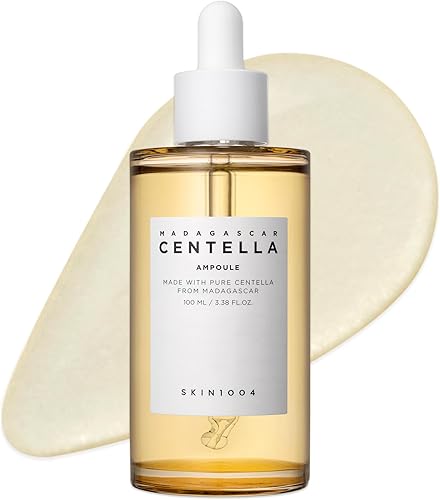
| SKIN1004 Madagascar Centella Ampoule | Post-UV soothing | After essence, before cream | All, especially reactive |
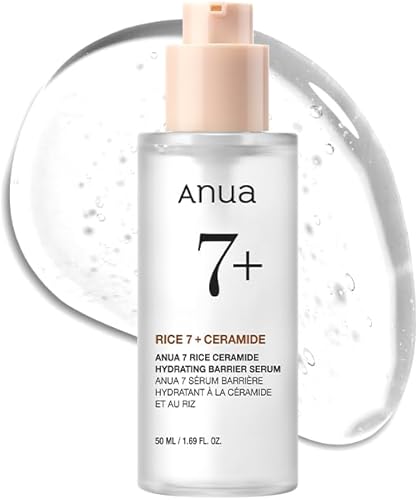
| Anua Rice Ceramide 7 Serum | Lightweight barrier hydration | AM, under Pola B.A. | Dry, dehydrated |
| Torriden DIVE IN Hyaluronic Acid | Humectant flood for low-RH air | AM/PM, on damp skin | All |
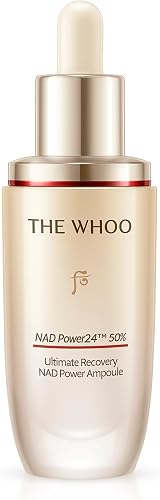
| THE WHOO Ultimate Recovery NAD Ampoule | Recovery from oxidative shift damage | PM, before cream | Mature, photoaging concerns |
Product picks for high-altitude UV prep and recovery
SKIN1004 Madagascar Centella Ampoule
Centella asiatica is the workhorse soothing actor in K-beauty, and SKIN1004’s ampoule is a single-ingredient Madagascar Centella extract pressed into a watery serum. For astronomers, the value is post-shift: after eight to twelve hours where dome reflectance, dry summit air, and UV exposure stack up, this ampoule calms the low-grade inflammation that you might not notice in the mirror but that quietly drives photoaging. Apply two to three drops on damp skin, press in, then layer your richer evening steps over it. It is fragrance-free, leaves no residue, and plays well with the Pola B.A. light selector altitude observatory astronomers wear by day—treat them as a complementary pair rather than competing actives. View on Amazon
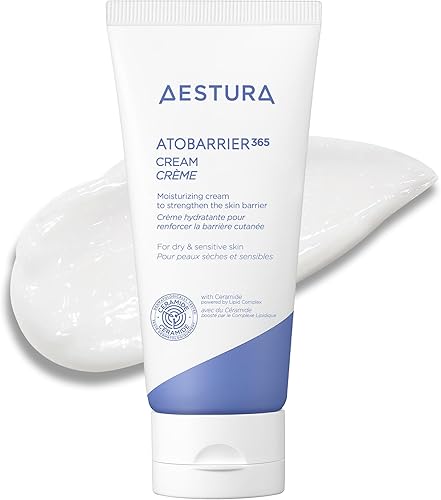
AESTURA ATOBARRIER365 Cream with Ceramides
Summit air strips ceramides faster than any other environmental factor short of a chemical peel. AESTURA’s ATOBARRIER365 is a Korean dermatology-tier moisturizer dosed with multilamellar ceramide capsules that mimic the lipid structure of healthy skin. It is the final PM step in this routine: heavy enough to lock in your essence-and-ampoule layers, light enough that you will not wake up with congested pores when you finally rotate back to sea level. For dry, sensitized, or atopic-prone skin, this is the single highest-value purchase in the stack. View on Amazon
Anua Rice Ceramide 7 Hydrating Barrier Serum
Mornings before a daytime telescope-prep shift call for a serum that hydrates and reinforces the barrier without competing with your sunscreen for surface real estate. Anua’s Rice Ceramide 7 combines seven ceramide types with niacinamide and rice extract—low-irritation, lightweight, and fast-absorbing. It is the layer that goes under the Pola B.A. Light Selector. The niacinamide also contributes mild anti-pigmentation support, which matters because chronic altitude UV exposure tends to produce diffuse uneven tone before it produces frank sunspots. View on Amazon
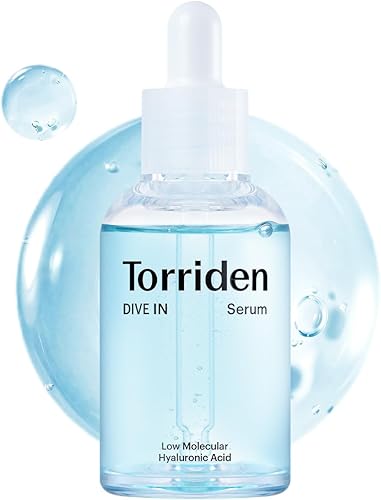
Torriden DIVE IN Hyaluronic Acid Serum
The single most reliable rescue for dehydrated altitude skin is layered humectants—but only if applied to damp skin and sealed afterward. Torriden DIVE IN uses five molecular weights of hyaluronic acid to draw and bind water across the upper stratum corneum. Use it after toner, before your ceramide serum, and you will see plumper skin within a single rotation. In an environment where ambient RH can sit below 15%, this kind of multi-weight HA serum is not optional; it is what keeps your barrier from fissuring under wind exposure. View on Amazon
THE WHOO Ultimate Recovery NAD Power Ampoule
NAD+ has become the marquee longevity ingredient in luxury Korean skincare for a reason: it supports cellular energy pathways that slow under hypoxic stress, which describes any extended observatory rotation above 3,500 m. The Whoo’s NAD Power Ampoule is a high-concentration recovery treatment formulated as a nightly anti-aging step. Use it two to four nights a week after a long observing run, layered after an essence and before a ceramide cream. It is a splurge product, but if you are losing visible elasticity over consecutive observing seasons, this is the lever to pull. For more options in this category, see our roundup of the best luxury Korean serums for anti-aging. View on Amazon
A working altitude-shift routine
Morning, pre-shift (sea-level base or summit dorm): gentle cleanser, hydrating toner, Torriden DIVE IN, Anua Rice Ceramide 7, a light moisturizer, then Pola B.A. Light Selector as the final step. Wait two minutes before adding glasses or a balaclava so the sunscreen sets cleanly.
Mid-shift touch-up: reapply sunscreen to exposed face areas every two hours when on dome platforms or outside in direct sun. Carry a small mist if you can; lip balm with SPF should be a separate item, since lips burn first at altitude.
Evening, post-shift: double cleanse to remove sunscreen and ambient particulates, hydrating toner, SKIN1004 Madagascar Centella, your nightly treatment (rotate THE WHOO NAD Power Ampoule with a gentler night), then AESTURA ATOBARRIER365 Cream to seal. For a full template, see our luxury Korean skincare routine guide.
Rest days at base elevation: back off the active layers, keep hydration and barrier products. Your skin will signal what it needs; do not push retinol, exfoliating acids, or aggressive vitamin C on consecutive observing nights.
What to skip at altitude
Three categories of product tend to backfire at observatory elevation: high-percentage AHA exfoliants (they accelerate transepidermal water loss in already-low-humidity air), high-strength retinoids (slowed cellular turnover under hypoxia plus increased UV sensitivity is a bad combination), and heavy occlusive balms that trap sweat under a respirator or balaclava and cause friction acne. If you want acids or retinol in your routine, run them during your rotation back to lower elevation, not on summit.
For a broader view of how Japanese sunscreens differ from Korean ones in this specific use case, see our overview of luxury Japanese sunscreens for sensitive skin.
Frequently Asked Questions
Is the Pola B.A. Light Selector enough on its own for 4,000 m summit work?
It is enough as a sunscreen at that elevation if reapplied every two hours, but it is not enough as a full skin strategy. Altitude air dries the barrier and oxidative stress accumulates with chronic exposure. The Pola B.A. Light Selector handles photoprotection; the ceramide, humectant, and recovery layers we describe above handle the rest. Skipping them at 4,000 m typically produces visible barrier damage within a single two-week rotation.
How much UV exposure do astronomers actually get at altitude?
UV index readings at observatory elevations routinely exceed 11 during summer daylight hours, well into the “extreme” range, and reflected UV from white dome paint or snowfields can add another 30–80% to direct exposure. Even nighttime observers are exposed during dome opening and twilight calibration. A daytime sunscreen at SPF50+/PA++++ is the floor, not a precaution.
Can I use the Pola B.A. Light Selector under a respirator or oxygen mask?
Yes, with two adjustments. Apply a thin layer, let it set fully (three to five minutes) before strapping on the mask, and check pressure-point areas (cheekbones, bridge of nose, jawline) for friction acne after long shifts. A barrier balm specifically on those friction zones helps; do not skip sunscreen on the rest of the face.
What is the best moisturizer for cold, dry observatory dorms?
Look for a multilamellar ceramide cream rather than a simple emollient. AESTURA ATOBARRIER365 is the standout in this category because it mimics native lipid structure rather than just sitting on top of skin. Pair it with a humectant layer underneath; occlusion alone over dehydrated skin can feel tight rather than nourishing.
How do I reapply sunscreen over makeup during a long shift?
Use a pressed sunscreen powder or a sunscreen mist designed for reapplication. Two pumps of mist, held 15 cm from the face, pressed in with clean fingertips, gives you reliable reapplication without disturbing prior layers. The Pola B.A. Light Selector itself is a primary AM application, not a touch-up format.
Do I need a separate eye cream at altitude?
Yes. Periorbital skin is the thinnest on the face and shows altitude-related elasticity loss first. A peptide-based eye cream applied morning and evening, and sunglasses with full UV-A/UV-B coverage during daylight, are both non-negotiable for chronic high-altitude workers.
How long until I see visible improvement after starting this routine?
Hydration and barrier-comfort changes happen within 3–5 days. Tone evenness from niacinamide takes 4–8 weeks. Recovery-ampoule effects on elasticity and fine lines are typically visible at 8–12 weeks of consistent use. Sunscreen benefits are cumulative over years; the value of the Pola B.A. Light Selector is measured in photoaging you do not develop, not in next-week glow.
Key Takeaways
- Choosing the right Pola B.A. light selector altitude observatory astronomers means matching capacity and output ports to your actual devices
- Always check actual watt-hours (Wh), not just watts — runtime depends on Wh, not peak output
- Also covers: Pola BA light selector review Mauna Kea astronomers
- Also covers: luxury Japanese sunscreen high altitude UV exposure
- Also covers: best sunscreen mountaintop observatory staff
- Compare price-per-Wh across models to find the best value for your budget