If you are a solid-organ transplant recipient on tacrolimus, cyclosporine, mycophenolate or prednisone, you already know that immunosuppression rewrites the rules of skincare. Long-term calcineurin inhibitors and steroids progressively thin the dermis, blunt collagen synthesis, slow wound healing and raise the risk of bruising, telangiectasia, infection and skin cancer. That is the precise context in which the question of O Hui cell power No.1 essence organ transplant thin skin comes up: can a luxury Korean first-step essence built around adenosine, panthenol, peptides and fermented yeast genuinely support a fragile, post-transplant barrier without conflicting with your medications? The short answer in 2026 is a measured yes, with caveats. O Hui Cell Power No.1 Essence is a low-irritation, alcohol-light essence designed as a hydration primer rather than an active treatment, which is exactly what thin, immunosuppressed skin tends to tolerate. It will not reverse steroid atrophy, and it is not a substitute for dermatology-led photoprotection, skin-cancer screening or barrier-rebuilding ceramide therapy, but it can be folded into a deliberately conservative routine to add humectant water, dampen tightness and create a smoother base under broad-spectrum SPF.
Below is a practical 2026 guide written for transplant patients (and the caregivers buying for them) who want to think clearly about O Hui cell power No.1 essence organ transplant thin skin before they spend. We cover what the essence is and is not, the real-world considerations on immunosuppression, gentler luxury alternatives if you cannot source O Hui locally, and a barrier-first routine you can build around it. None of this replaces your transplant team's advice — always clear new topicals with your nephrologist, hepatologist or dermatologist, especially if you have active graft-versus-host disease, open lesions or a recent skin cancer.
Why thin, immunosuppressed skin needs a different essence strategy
Chronic prednisone above roughly 5 mg daily, even at maintenance doses, gradually reduces epidermal thickness, fibroblast activity and hyaluronic acid synthesis. Add calcineurin inhibitors like tacrolimus or cyclosporine and you also get heightened photosensitivity, more visible capillaries and a markedly elevated lifetime risk of squamous cell carcinoma. mTOR inhibitors (sirolimus, everolimus) are gentler on skin cancer risk but notorious for acneiform eruptions, mouth ulcers and a dry, papery surface. Mycophenolate can cause hair thinning and brittle skin. In every one of these scenarios the priority is the same: protect the barrier, do not provoke inflammation, and avoid layering ingredients that can be absorbed in ways that matter systemically.
O Hui Cell Power No.1 Essence — the watery, fast-absorbing first essence in LG H&H's O Hui line — was formulated for sensitised, dehydrated skin rather than for transplant patients specifically. Its profile (adenosine for wrinkle care, panthenol, glycerin, niacinamide at a low cosmetic level, ferment filtrate, a light peptide complex) is mostly humectant and soothing. That is genuinely useful for thin post-transplant skin because it adds water and a thin conditioning film without the high acid percentages, retinoids or strong fragrance that immunosuppressed barriers struggle with. Where you have to be cautious: niacinamide is generally well-tolerated but can occasionally flush very reactive complexions, and any product with botanical extracts can theoretically interact with topical immunomodulators on broken skin. Apply only to intact skin, away from suture lines, biopsy sites and active rashes, and patch-test on the inner forearm for seven days before going full-face.
Where O Hui Cell Power No.1 Essence fits — and where it does not
Use it as step two after a non-stripping cleanse, on damp skin, pressed in with clean palms rather than rubbed. It will not deliver the dramatic plumping of a high-percentage PDRN ampoule or the lifting of a peptide concentrate, and that is the point: for O Hui cell power No.1 essence organ transplant thin skin routines, restraint is the feature, not a bug. Do not stack it with prescription tretinoin, high-strength AHAs, vitamin C above 10–15%, or microneedling tools while on immunosuppression unless your transplant dermatologist has explicitly cleared the combination. And never let any essence delay your morning broad-spectrum SPF 50, which remains the single most important product in a transplant skincare routine.
Comparison: gentle luxury essences and ampoules for fragile, immunosuppressed skin
| Product | Best for | Why it suits thin transplant skin | Watch-outs |
|---|---|---|---|
| O Hui Cell Power No.1 Essence (reference product) | Daily hydration primer | Low-irritation humectant base, adenosine, panthenol, ferment | Patch test; avoid open wounds |
| SU:M Secret Essence | Liquid ceramide layer | Ceramide-rich, fragrance-light, barrier-supportive | Slightly richer slip |
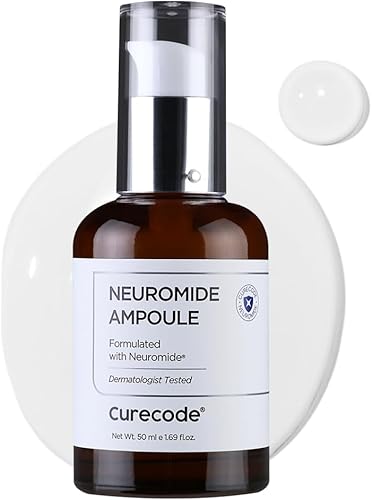
| CURECODE Neuromide Ampoule | Atopic / paper-thin barriers | Neuromide complex mimics native ceramides | Pricey for the volume |
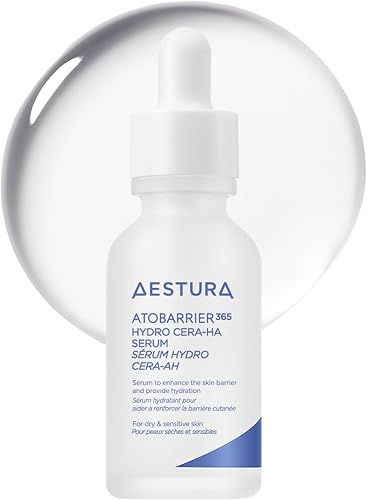
| AESTURA ATOBARRIER365 Hydro CERA-HA Serum | Daily ceramide + HA hydration | Dermatology-tested for sensitive, atopic skin | Minimal slip; needs cream on top |
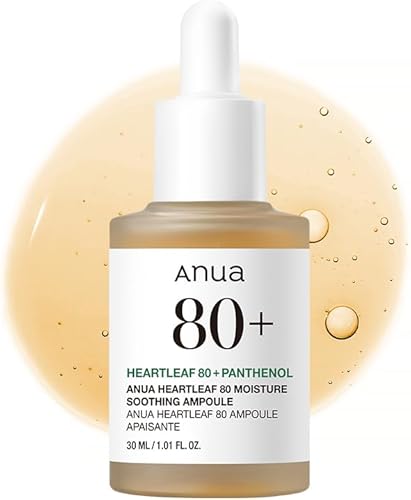
| Anua Heartleaf 80 Soothing Ampoule | Reactive, flushed skin | Houttuynia cordata calms transient redness | Plant extracts — patch test |
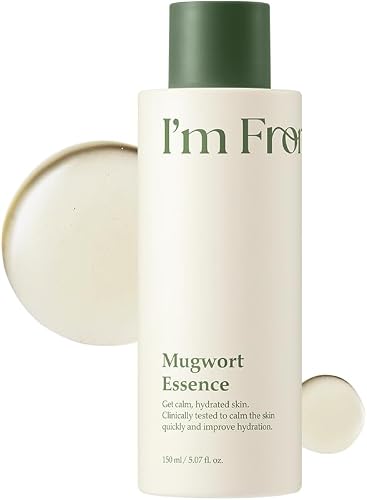
| I'm From Mugwort Essence | Calming, post-procedure days | 100% mugwort extract; fragrance-free | Botanical — confirm with team |
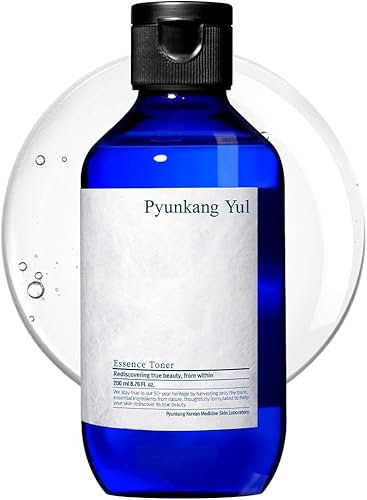
| Pyunkang Yul Essence Toner | Minimalist toner step | Five-ingredient list, zero fragrance | Very light; layer with cream |
O Hui Cell Power No.1 Essence — the reference product
The original watery, slip-light first essence the query is built around. It is the conservative luxury benchmark for thin, post-transplant skin because it does very little aggressively and a lot gently — adenosine for cosmetic wrinkle care, panthenol and glycerin for water, a light ferment for surface smoothness. If you can source it through a trusted Korean retailer, treat it as step two and stop there before SPF. O Hui is sold via LG H&H's authorized channels rather than Amazon, so confirm authenticity carefully; if shipping is impractical, the alternatives below are easier to obtain.
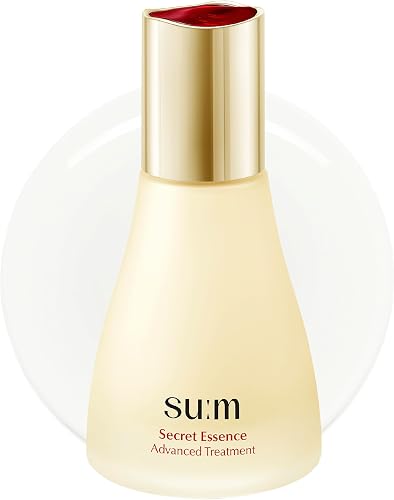
SU:M Secret Essence — the liquid-ceramide alternative
If you want an O Hui-adjacent luxury Korean essence that is easier to buy in North America, SU:M's Secret Essence layers liquid ceramide and fermented hydration onto compromised barriers without fragrance overload. Many transplant patients prefer it as a single "essence" step under a thicker cream. View SU:M Secret Essence on Amazon.
CURECODE Neuromide Ampoule — for the thinnest, most atopic skin
CURECODE was developed with dermatologists for paper-thin, eczema-prone barriers and uses a proprietary neuromide (synthetic ceramide-mimic) complex. It is one of the few K-beauty ampoules formulated with truly compromised skin in mind, which is why it consistently surfaces in transplant patient forums. View CURECODE Neuromide Ampoule on Amazon.
AESTURA ATOBARRIER365 Hydro CERA-HA Serum — the daily workhorse
AESTURA is the dermocosmetic arm of Amorepacific and ATOBARRIER365 is sold in Korean pharmacies for atopic dermatitis. The CERA-HA serum is fragrance-free, niacinamide-light and ceramide-forward, which is precisely the profile a transplant dermatologist tends to greenlight. Pair it with the matching cream below. View AESTURA Hydro CERA-HA Serum on Amazon.
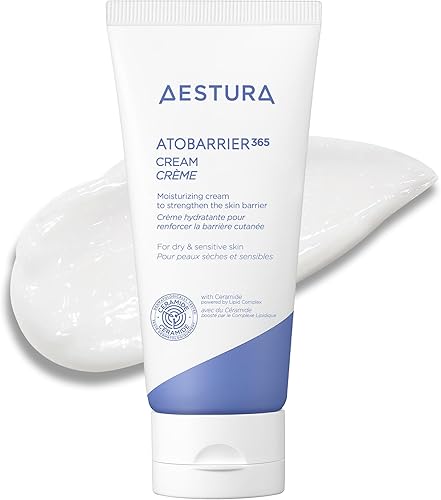
AESTURA ATOBARRIER365 Cream — the occlusive seal
Thin, steroid-affected skin loses transepidermal water fast. A ceramide cream sealed on top of any essence is non-negotiable. ATOBARRIER365 Cream is the version most often used by Korean dermatologists for post-procedure and atopic patients, and it works equally well as the final step for immunosuppressed faces. View AESTURA ATOBARRIER365 Cream on Amazon.
Anua Heartleaf 80 Soothing Ampoule — for flush-prone days
Tacrolimus and steroid taper days can leave skin transiently red and reactive. A houttuynia cordata-based ampoule like Anua Heartleaf 80 calms surface redness without acids or retinoids. Use it on patches, not as a wholesale essence replacement. View Anua Heartleaf 80 Ampoule on Amazon.
I'm From Mugwort Essence — minimalist calm
If you prefer single-ingredient essences and your team has approved botanical extracts, I'm From Mugwort Essence is 100% Ganghwa mugwort with no fragrance or alcohol. It behaves as a gentle calming water-step similar in spirit to O Hui's first essence philosophy. View I'm From Mugwort Essence on Amazon.
Pyunkang Yul Essence Toner — the under-five-ingredient option
For patients who react to anything with botanical complexity, Pyunkang Yul's essence toner is built around milk vetch root and a handful of stabilisers. It is the closest thing to "hydration with no opinions" in luxury K-beauty. View Pyunkang Yul Essence Toner on Amazon.
A conservative routine to consider with your transplant team
Morning: lukewarm rinse or a cream cleanser, O Hui Cell Power No.1 Essence (or SU:M Secret Essence) pressed onto damp skin, a ceramide-HA serum like AESTURA Hydro CERA-HA, ATOBARRIER365 Cream, then a mineral-based broad-spectrum SPF 50+ reapplied every two hours when outdoors. Evening: gentle low-pH cleanser, the same essence step, a calming ampoule like Anua Heartleaf or CURECODE Neuromide on reactive zones only, and the ceramide cream to seal. Skip vitamin C above 10–15%, AHAs, BHAs, retinoids, microneedling and at-home devices unless your dermatology team has cleared each one. For pigment concerns post-transplant, talk to your dermatologist about prescription-grade options rather than layering brighteners on thinned skin.
For deeper background on building a measured K-beauty regimen, see our luxury Korean skincare routine guide, our notes on using serums in luxury skincare, and our breakdown of how to choose the right luxury Korean skincare routine for your skin profile. The principles translate directly to transplant skin; you simply dial every active down and every barrier ingredient up.
Frequently Asked Questions
Is O Hui Cell Power No.1 Essence safe for organ transplant patients on tacrolimus?
The essence itself is low-irritation and fragrance-modest, and it does not contain ingredients known to interact with oral tacrolimus. However, it has not been clinically tested in transplant cohorts, so apply only to intact skin, patch test for a week, and clear it with your transplant dermatologist before adding it to a daily routine.
Can I use O Hui Cell Power No.1 Essence on prednisone-thinned skin?
You can use it as a humectant step, but understand the limits. Topical essences cannot reverse the dermal thinning caused by chronic systemic steroids; they can only soften surface tightness and support the barrier. Pair the essence with a ceramide cream and disciplined SPF, and ask your team about adjunct strategies for steroid atrophy.
What ingredients should immunosuppressed patients avoid in a Korean essence?
Skip high-percentage AHAs and BHAs, retinaldehyde and retinol, denatured alcohol high on the INCI list, strong essential-oil fragrance complexes, and any "shot" essence that requires microchannels (reedle/spicule formulas) on intact skin. These can over-strip a thinned barrier or create micro-trauma that immunosuppression heals slowly.
Is niacinamide in essences a problem for transplant skin?
Generally no. Cosmetic-level niacinamide (typically 2–5%) is well-tolerated and can mildly support barrier lipids and reduce transepidermal water loss. Patients who flush easily should start at lower percentages and watch for any reaction. Higher concentrations marketed for pigmentation are usually unnecessary on thin skin.
How does this differ from a routine for healthy mature skin?
A healthy mature routine can tolerate retinoids, layered acids, vitamin C and aggressive peptides. A transplant routine deliberately removes most of those and leans on hydration, ceramides, and rigorous sun protection. See our guide to luxury Korean anti-aging serums for the contrast, and treat that guide as a menu of things you are mostly skipping.
What sunscreen pairs best with O Hui Cell Power No.1 Essence for transplant patients?
Transplant dermatology consensus favours broad-spectrum SPF 50+ with high UVA protection, ideally mineral (zinc oxide / titanium dioxide) for the most photosensitive patients. Apply it as the final morning step over the essence and your ceramide cream, and reapply every two hours during sun exposure. Sunscreen, not the essence, is the actual skin-cancer prevention.
Where can I read more about luxury K-beauty for sensitive cases?
Browse our guide to common mistakes when buying luxury skincare, which covers authenticity, layering errors and unrealistic claims — all especially relevant when you are shopping for fragile, immunosuppressed skin.
This article is informational and is not medical advice. Always coordinate skincare changes with your transplant team. See our affiliate disclosure for how product links are handled.
Key Takeaways
- Choosing the right O Hui cell power No.1 essence organ transplant thin skin means matching capacity and output ports to your actual devices
- Always check actual watt-hours (Wh), not just watts — runtime depends on Wh, not peak output
- Also covers: O Hui essence review kidney transplant recipients
- Also covers: luxury Korean essence tacrolimus skin thinning
- Also covers: best essence chronic prednisone facial atrophy
- Compare price-per-Wh across models to find the best value for your budget