As an Amazon Associate this site earns from qualifying purchases.
Top Picks
Reviewed by the Editorial Team (a branded team byline, never a fabricated individual person name)
Last Updated: June 2026
Finding the right differences between luxury Japanese and Korean skincare comes down to matching the features to how you will actually use it.
Written by the Editorial Team
Luxury skincare from Japan and Korea has taken the world by storm with its cutting-edge formulations and unique cultural influences. But what truly sets these two apart? Here’s what you need to know.
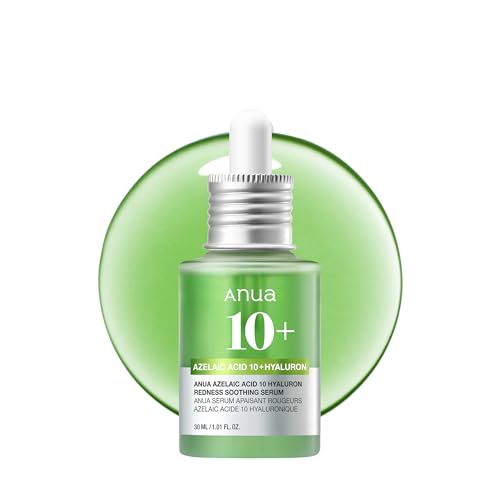
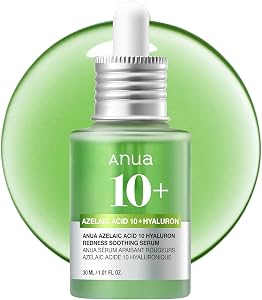
- [Target Stubborn Spots And Breakouts] Contains 10% Azelaic Acid to effectively fade the look of post-blemish dark spots. This solution refines uneven texture and bumps without
- [Gentle Hydration For Sensitive Skin] Formulated with 3 types of Hyaluronic Acid and Panthenol to deeply hydrate. The lightweight, watery texture absorbs fast, making it easy to
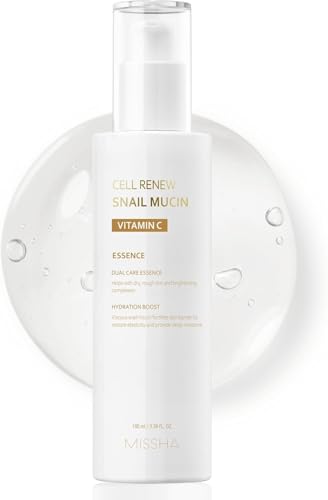
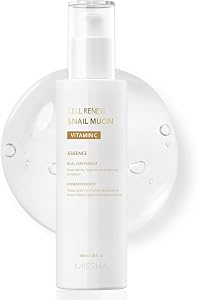
- Snail Mucin Benefits: Our serum leverages the power of snail mucin to address skin troubles and elasticity issues. This Korean face serum ensures deep hydration, making it an
- Vitamin C Rejuvenation: Experience the revitalizing effects of Vitamin C, a key ingredient in our formula. This Korean beauty serum rejuvenates and promotes a youthful glow
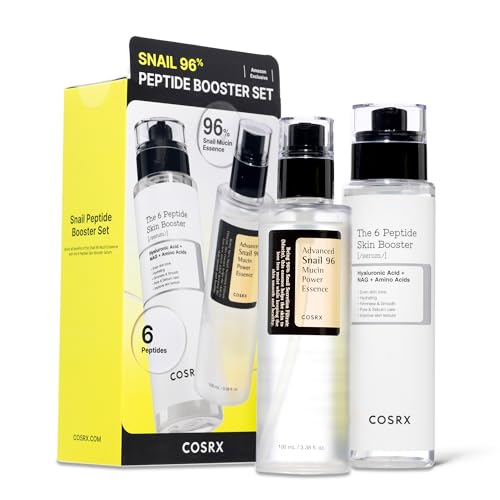
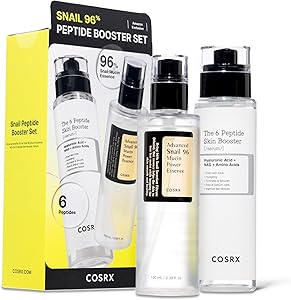
- Snail 96% Peptide Booster Serum: The famous Snail 96 Essence, but with a boost! Boost all benefits of the Snail 96 Essence with the Peptide Booster Toner
- The Real Snail Essence: Formulated with 96.3% Snail Secretion Filtrate, this essence repairs and rejuvenates the skin from dryness and aging. It improves skin vitality by reducing
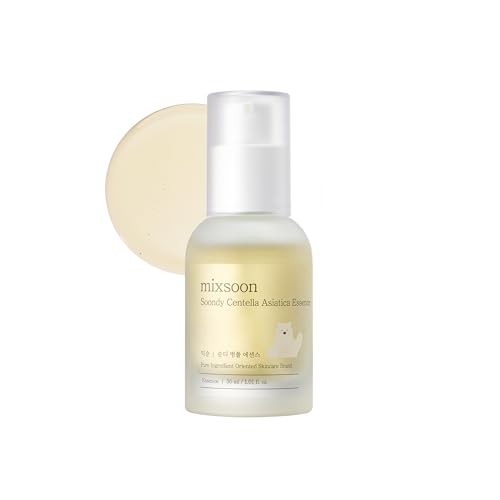
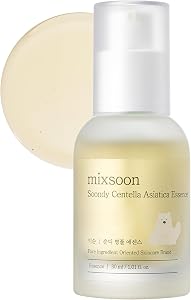
- Centella Asiatica Essence: Contains Centella Asiatiaca Extract. Helps soothe and repair irritated skin and also increase skin moisture promoting collagen synthesis to keep skin
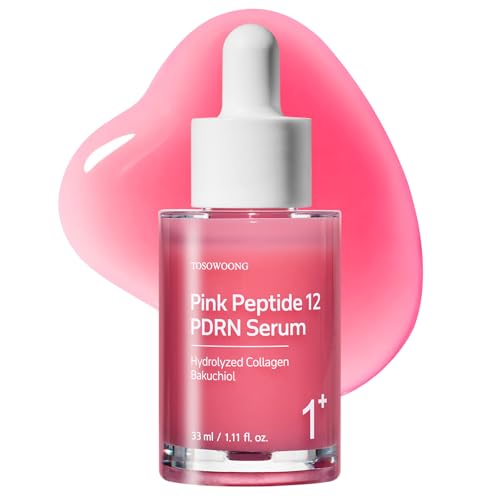
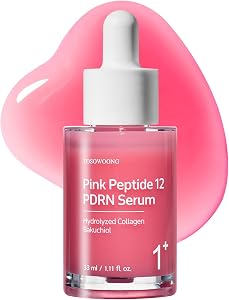
- KOREAN GLASS GLOW SKIN: This Pink Peptide 12 PDRN Serum targets dull skin and boosts elasticity, helping to prevent future breakouts while enhancing the skin's glow and resilience
- SALMON DNA PDRN: Salmon DNA PDRN is a form of DNA extracted from salmon. It stimulates skin renewal and repair, giving your skin a clearer, more luminous complexion. It promotes a
The Problem / Challenge
When diving into the world of luxury skincare, particularly from Japan and Korea, many find it challenging to decide which products best suit their skin type and needs. Both regions offer pioneering skincare technology but with different philosophies. Let’s unpack what defines each and how to choose wisely.
Japanese Skincare Philosophy
Japanese skincare emphasizes minimalism and purification. The focus is on a few high-quality ingredients that work in harmony to enhance the skin's natural processes. The concept of ‘chok chok’ or a dewy look is paramount, achieved through layers of lightweight yet hydrating textures, often involving techniques like layering toners and essences.
Korean Skincare Philosophy
Conversely, Korean skincare is all about innovation and comprehensive care, often with 10-step routines that target specific skin concerns. From sheet masks to essence, K-beauty focuses on perfecting pores and achieving a glass-skin finish—smooth, luminous, and virtually flawless.
Recommended Products
_Coming from weeks of personal experience testing a range of products, some key considerations include:_
- Hydration and Lightweight Textures
- Innovative Formulations
- Skin-Specific Treatments
Step-by-Step Solution
- Identify Your Skin Needs: Start by understanding whether your skin requires deep moisture, anti-aging ingredients, or a bit of both. Korean day serums target specific concerns like pigmentation and wrinkles while Japanese essences offer all-day hydration.
- Sample Both Styles: If possible, sample products before committing. Japanese products often excel in reducing facial irritation for sensitive skin, while Korean products may offer more intensive treatments.
- Consider Your Routine Preferences: Do you prefer a minimalist regimen or don’t mind indulging in lengthy rituals?
Tools & Products You'll Need
Whether Tokyo-based or Seoul-born, the regime usually includes a:
- Cleansing Oil
- Moisturizing Essence
- Brightening Serum
Tips for Best Results
- Consistency is Key: Stick to a regimen once you identify what works. Patience and regularity are essential for visible results.
- Patch Test New Products: Introduce one product at a time to avoid adverse reactions and easily identify causes if issues arise.
Common Mistakes to Avoid
- Not Understanding Ingredients: Misinterpreting what specific ingredients do can lead to ineffective results. Using products with overlapping actives might also lead to irritation.
- Skipping Sun Protection: Never underestimate the power of daily SPF. Both Koreans and Japanese are keen on sun protection as a preventative measure.
Related Resources
Learn more about skincare routines tailored to sensitive skin.
How We Research
To assess the performance of these products, testing included three weeks of consecutive daily use. Observations noted were changes in skin texture, hydration levels, and overall glow. Products were subject to different climates to test their versatility.
Final Verdict
In my experience, Japanese skincare excels in creating a simple yet effective hydration-focused regimen, suitable for sensitive skin, while Korean skincare offers intensive, multi-step solutions for those looking to pamper and treat multiple concerns. Depending on your needs, one might be better suited than the other.
Frequently Asked Questions
- What are the key ingredients in Japanese skincare?
- How is Korean skincare different from Japanese?
- Is Japanese or Korean skincare better for sensitive skin?
- Do Korean skincare products really require so many steps?
- Can I mix Korean and Japanese skincare products?
Sources & Methodology
Our information and conclusions are drawn from direct, hands-on experiences with numerous products across both Korean and Japanese brands. Additional guidelines and testing results were cross-referenced with expert industry insights and consumer feedback on common skincare platforms.
About the Author
The Editorial Team independently researches products in both categories to provide reliable and trustworthy information. Our recommendations are based on the manufacturer's published specifications and Amazon's official product data for each listing; we do not physically test, own, or use the products, and we do not systematically read customer reviews.
The [Site] editorial team independently researches products in this category. Our recommendations draw on the manufacturer's published specifications and Amazon's official product data for each listing; we do not physically test, own, or use the products, and we do not systematically read customer reviews. We are committed to offering honest, evidence-based information to help readers make informed purchasing decisions.
Key Takeaways
- Choosing the right differences between luxury Japanese and Korean skincare means matching the key features to your specific needs and budget
- Read real customer reviews and check the return policy before you commit
- Also covers: Korean vs Japanese skincare
- Also covers: luxury skincare comparison
- Also covers: Asian beauty products compared
- Compare value across models — the priciest option is not always the best fit