Yes — La Prairie White Caviar Crème for drug-induced photosensitivity pigmentation is one of the most targeted luxury moisturizers for spots triggered by medications like doxycycline, hydrochlorothiazide, amiodarone, or NSAIDs that sensitize the skin to UV. Its Lumidose (a stabilized form of golden caviar) inhibits tyrosinase, the enzyme that overproduces melanin when photosensitized skin meets sunlight. Paired with daily SPF and a few supporting K-beauty actives, it can visibly fade the gray-brown patches that drug-induced photosensitivity leaves on cheeks, forehead, and the V of the chest within 8–12 weeks — without the irritation hydroquinone or strong retinoids cause already-reactive skin.
Why drug-induced photosensitivity pigmentation behaves differently
Drug-induced photosensitivity is not the same as ordinary sun-spot hyperpigmentation. When a phototoxic or photoallergic medication circulates in your skin, even brief, ambient UV exposure (a walk to the car, a sunny window seat) triggers a low-grade inflammatory cascade. Melanocytes respond by dumping melanin in irregular, often deeper layers than typical melasma, which is why these marks look gray, slate-blue, or muddy brown rather than caramel. They also resist over-the-counter brighteners that work fine on freckles, because the inflammation keeps re-stimulating pigment production as long as the medication and sunlight overlap.
Finding the right La Prairie White Caviar Crème for drug-induced photosensitivity pigmentation comes down to matching watt-hours to your actual power needs.
The most commonly implicated drugs include tetracycline-class antibiotics (doxycycline, minocycline), thiazide diuretics, amiodarone, certain statins, NSAIDs like ketoprofen and piroxicam, several diabetes medications, topical retinoids, and chemotherapeutic agents. Acne patients on long-term doxycycline are a classic case: they finish a six-month course with clearer pores but a new map of dusky cheek pigmentation that lingers long after the prescription ends.
How La Prairie White Caviar Crème targets this kind of pigmentation
La Prairie's White Caviar Crème is built around three mechanisms that match the biology of photosensitivity-driven spots. First, Lumidose — the brand's proprietary golden caviar extract — downregulates tyrosinase activity, slowing the melanin assembly line before pigment reaches the surface. Second, the cellular complex (a peptide and amino-acid blend) supports the barrier so the cream itself doesn't aggravate the underlying inflammation. Third, the rich, almost balm-like emollient base from Swiss glacial water, shea, and squalane traps moisture — critical because dehydrated, compromised skin produces more melanin under UV stress, not less.
What separates this from a drugstore brightener is that the formula is engineered for chronically reactive skin. It contains no hydroquinone, no high-strength acid, and no fragranced botanicals known to photo-sensitize. For someone already dealing with a medication-triggered reaction, that "do no further harm" profile is what makes the price tag defensible. Within the wider category, it is one of the more credible options for La Prairie White Caviar Crème for drug-induced photosensitivity pigmentation specifically because it tackles tyrosinase without barrier-stripping side effects.
Comparison: La Prairie White Caviar Crème vs. supporting K-beauty brighteners
You don't need to choose between the La Prairie cream and your Korean routine — they layer beautifully. Here's how the cream stacks up against the K-beauty serums most commonly recommended for medication-related dark spots:
| Product | Key brightening actives | Best for | Layer position |
|---|---|---|---|
| La Prairie White Caviar Crème | Lumidose (golden caviar), peptides | Deep, stubborn photosensitivity patches | Final moisturizer step |
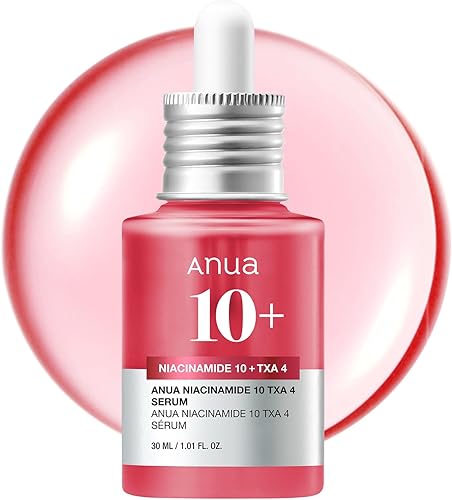
| Anua Niacinamide 10 + TXA 4 | 10% niacinamide, 4% tranexamic acid | Recurring inflammation-driven pigment | Treatment serum |
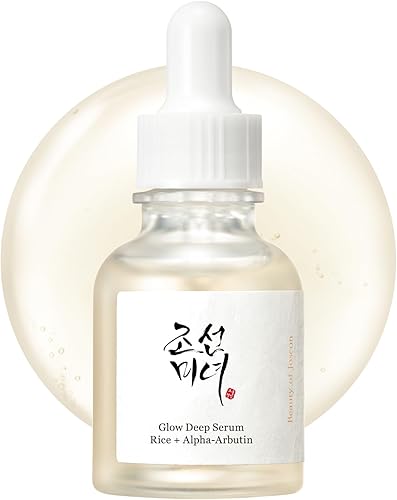
| Beauty of Joseon Glow Deep Serum | 2% alpha-arbutin, niacinamide | Daily melanin inhibition, gentle | Treatment serum |
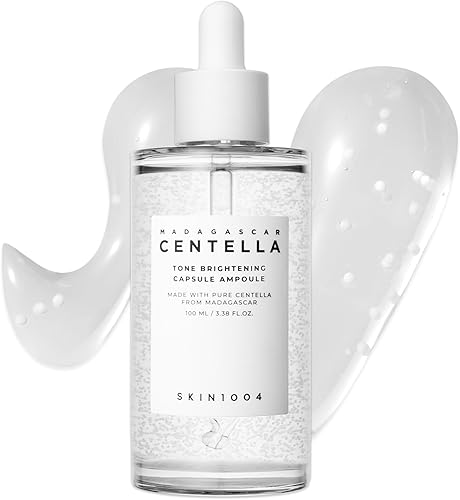
| SKIN1004 Tone Balancing Capsule Ampoule | Niacinamide, tranexamic acid, centella | Sensitive skin with redness + spots | Treatment serum |
| Sulwhasoo Lumiwise Ampoule | Brightening complex, barrier botanicals | Luxury layering, soothing | Pre-cream ampoule |
| MISSHA Vita C Plus Ampoule | Stabilized vitamin C derivative | Morning antioxidant defense | Treatment serum (AM) |
Recommended product picks to pair with the La Prairie cream
Anua Niacinamide 10 + TXA 4 Serum
Tranexamic acid is the actual hero ingredient for medication-induced melasma-style pigmentation — it interrupts the signaling between irritated skin and melanocytes, which is exactly the loop that drug photosensitivity exploits. Anua pairs 4% TXA with 10% niacinamide for barrier support, in a lightweight texture that fits cleanly under a rich cream like La Prairie's. Apply on damp skin in the evening, wait two minutes, then layer the White Caviar Crème on top. Check Anua Niacinamide 10 + TXA 4 on Amazon.
Beauty of Joseon Glow Deep Serum: Rice + Alpha-Arbutin
Alpha-arbutin is a gentle, hydroquinone-adjacent tyrosinase inhibitor that won't push reactive skin into a flare. At 2%, this serum gives consistent daily melanin suppression and is widely tolerated by people whose skin became newly intolerant during a doxycycline or isotretinoin course. The rice-ferment base also adds mild brightening and superb hydration, which is what reactive post-medication skin tends to crave. Check Beauty of Joseon Glow Deep Serum on Amazon.
SKIN1004 Tone Balancing Capsule Ampoule
This is the ampoule we recommend when photosensitivity pigmentation comes with persistent redness — common after NSAID or thiazide reactions. It pairs niacinamide and tranexamic acid with Madagascar centella asiatica, so it fades pigment while actively dampening inflammation. The capsule format keeps the actives stable, which matters because oxidized brightening serums can ironically deepen pigmentation. Check SKIN1004 Tone Balancing Ampoule on Amazon.
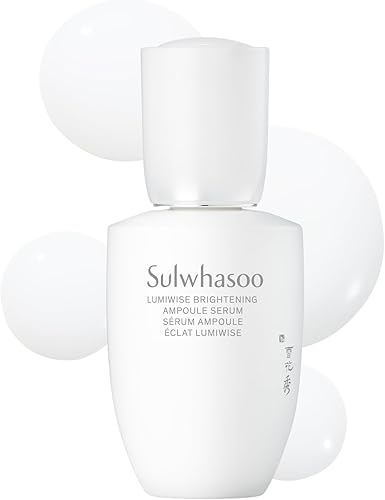
Sulwhasoo Lumiwise Ampoule Serum
If you want to stay inside a luxury hanbang routine, the Sulwhasoo Lumiwise was built to fade visible spots while simultaneously strengthening the barrier — a near-perfect partner for the La Prairie cream because both share the same "treat pigment, protect the skin" design philosophy. It is gentle enough for daily use and layers under the White Caviar Crème without pilling. Check Sulwhasoo Lumiwise Ampoule on Amazon.
MISSHA Vita C Plus Spot Correcting & Firming Ampoule
Vitamin C is non-negotiable for drug-induced photosensitivity pigmentation because it neutralizes the free radicals UV generates in already-sensitized skin, preventing fresh pigment from forming while you treat what's already there. MISSHA's Vita C Plus uses a stabilized derivative that's far less irritating than L-ascorbic acid — important when your skin is in a reactive state. Use it every morning, wait, then apply your SPF; the La Prairie cream takes the evening shift. Check MISSHA Vita C Plus Ampoule on Amazon.
How to build a routine around La Prairie White Caviar Crème for drug-induced photosensitivity pigmentation
The goal of the routine is to attack pigment from three angles — suppression, antioxidant defense, and barrier repair — while never giving the photosensitivity loop a foothold. A practical sequence that uses the La Prairie cream as the centerpiece looks like this:
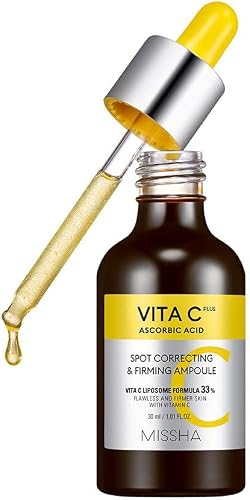
Morning: Gentle gel cleanser → hydrating toner → MISSHA Vita C Plus or another vitamin C ampoule → lightweight ceramide serum → mineral SPF 50 broad-spectrum. Skip the cream during the day if it feels heavy under sunscreen; the SPF is the priority.
Evening: Oil cleanse → gentle gel cleanser → essence or toner → brightening treatment (Anua TXA, BOJ Alpha-Arbutin, or SKIN1004 Tone Balancing) → La Prairie White Caviar Crème as the final occlusive moisturizer. Twice a week, swap the brightening serum for the Sulwhasoo Lumiwise as a luxury ampoule reset.
Two things to skip while you're treating photosensitivity pigmentation: high-strength retinoids (which themselves sensitize skin to UV and can deepen the loop) and AHA peels above 5% (which trigger inflammation in already-reactive skin). If you want texture refinement, lean on the niacinamide and PHA-tolerant routine instead. For a primer on building the rest of your sequence, see our luxury Korean skincare routine guide and our walkthrough on using serums in a luxury skincare routine.
Realistic timeline and expectations
Even the best brightening protocol can't outpace ongoing photosensitization, so the single most important factor is daily, generous SPF and, if possible, reviewing the offending medication with your prescriber. Once UV exposure is controlled, expect to see surface gray-brown patches start lightening at week 4–6 and meaningful fading at week 10–12 with the La Prairie cream nightly. Deeper dermal pigment (the bluish-gray kind seen after amiodarone or minocycline) can take 6–12 months and may need a dermatologist's input for laser or oral tranexamic acid. The cream remains valuable through that timeline because it suppresses new pigment while in-office treatments work on the old.
If you're investing this level of money into your routine, also bookmark our piece on choosing luxury skincare products — it walks through how to evaluate whether a hero cream is doing what its claims promise. And our shortlist of the best luxury Korean serums covers complementary options for mature skin dealing with the same pigment-plus-aging combination.
Frequently Asked Questions
Can La Prairie White Caviar Crème fade dark spots from doxycycline use?
Yes — it's one of the better-suited luxury creams for post-doxycycline pigmentation because Lumidose targets tyrosinase, the enzyme overactive during phototoxic reactions. You'll need to combine it with consistent SPF and a tranexamic-acid or alpha-arbutin serum (like Anua's TXA serum or Beauty of Joseon's Glow Deep) to see meaningful fading within 8–12 weeks. Stopping the medication, if your prescriber agrees, removes the underlying trigger and accelerates results.
Is La Prairie White Caviar Crème safe for skin sensitized by amiodarone or thiazide diuretics?
The formula is fragrance-light and built for reactive skin, so most users on long-term amiodarone or hydrochlorothiazide tolerate it well. Patch-test behind the ear for three nights before full facial application. Note that amiodarone-induced slate-gray pigmentation often has a dermal component that topical creams alone cannot fully clear — a dermatologist may need to assess whether picosecond laser is appropriate alongside the cream.
What's the best serum to layer under La Prairie White Caviar Crème for medication-triggered melasma?
For medication-triggered melasma-pattern pigmentation, a 4% tranexamic acid plus niacinamide serum like Anua's is the most evidence-backed pairing. Apply it on damp skin, wait two minutes for absorption, then seal with the La Prairie cream. The TXA addresses the inflammatory melanocyte signaling while the caviar cream's Lumidose handles tyrosinase — two different mechanisms working in parallel.
How long does it take to see results on drug-induced photosensitivity pigmentation?
Plan on 8–12 weeks of nightly use to see surface fading, and 4–6 months for stubborn patches. Skin turns over roughly every 28 days, and pigment from drug-photosensitivity reactions sits deeper than ordinary sun spots, so you're treating multiple layers over multiple cycles. SPF discipline is the single biggest accelerator — one unprotected sunny afternoon can undo two weeks of brightening progress.
Can I use a vitamin C serum at the same time as La Prairie White Caviar Crème?
Yes, and you should — just split them by time of day. Use a stabilized vitamin C ampoule (the MISSHA Vita C Plus is a budget-friendly option) in the morning under SPF, and reserve the La Prairie cream for evening over your brightening serum. Vitamin C neutralizes the UV-generated free radicals that fuel the photosensitivity loop, while the caviar cream works on melanin suppression overnight.
Is there a Korean luxury alternative that works similarly to La Prairie White Caviar Crème?
The Sulwhasoo Lumiwise Ampoule Serum is the closest philosophical match in K-beauty — both prioritize fading visible spots while strengthening the barrier rather than aggressively peeling. It's not a one-for-one swap (the Lumiwise is an ampoule, the La Prairie is a moisturizer), but it can sit in the same routine slot conceptually or layer underneath the La Prairie cream for a stacked effect.
Will the cream prevent new photosensitivity spots while I'm still on the medication?
Partially. The cream's tyrosinase inhibition reduces how much new pigment forms in response to UV exposure, but it cannot block the photosensitizing reaction itself. While you remain on a photosensitizing medication, daily broad-spectrum SPF 50, a wide-brim hat, and UV-blocking window film for your car are doing more of the prevention work than any cream can. Use the La Prairie cream to address existing pigment and limit new accumulation, not as a substitute for sun avoidance.
Should I see a dermatologist before starting this routine?
If your pigmentation appeared after starting a new medication, yes — a dermatologist can confirm whether it's phototoxic, photoallergic, or fixed drug eruption, and whether the medication can be swapped. They can also prescribe oral tranexamic acid or in-office treatments that work alongside the La Prairie cream. For ongoing maintenance and prevention once the dermatologist has stabilized the situation, the routine above is what you'll be using at home for the long term.
This article contains affiliate links. See our affiliate disclosure for details.
Key Takeaways
- Choosing the right La Prairie White Caviar Crème for drug-induced photosensitivity pigmentation means matching capacity and output ports to your actual devices
- Always check actual watt-hours (Wh), not just watts — runtime depends on Wh, not peak output
- Also covers: la prairie white caviar creme review medication pigmentation
- Also covers: la prairie white caviar for amiodarone hyperpigmentation
- Also covers: luxury cream for tetracycline photosensitivity dark spots
- Compare price-per-Wh across models to find the best value for your budget