Burn survivors researching La Mer The Concentrate burn survivors skin graft tightness as a comfort-care option are usually past the acute medical phase and into the long, slow stretch where graft sites feel taut, glossy, and reactive. La Mer The Concentrate—the brand’s most stripped-back, fragrance-free Miracle Broth™ format—is designed for compromised, post-procedure skin, and many burn survivors layer it as a daily emollient over closed, fully epithelialized graft tissue (with their burn-clinic team’s blessing). It will not remodel scar tissue, but it can soften the ropy, “tight mask” sensation grafts create and help fragile new skin tolerate the daily handling of moisturizers, sunscreen, and pressure garments.
Why The Concentrate keeps coming up in burn-survivor circles
Skin graft tightness is not the same as ordinary dryness. Split-thickness grafts heal without sebaceous glands or normal eccrine output, so the graft surface produces almost no lipid and very little moisture of its own. Donor sites and full-thickness grafts behave a little better, but the new tissue is still thinner, less elastic, and more sensitive to friction. The result is the “cling-film” feeling many survivors describe—skin that pulls when you smile, talk, or turn your head, and stings within minutes of stepping into air conditioning.
La Mer The Concentrate was originally formulated for skin recovering from in-office procedures and laser resurfacing, which gives it three properties that matter here. First, it is fragrance-free and dye-free, which lowers reactivity risk on hypertrophic and immature scars. Second, it is fluid rather than balm-textured, so it spreads easily without dragging across grafts. Third, its Miracle Broth™ base is rich in fermented sea kelp, lecithin, and glycerin—humectant-and-emollient territory that suits skin missing its native oil supply.
What it does not do is reduce scar height, lighten hyperpigmentation in dark phototypes, or replace silicone scar therapy. Survivors who treat it as a comfort-and-suppleness layer—not a scar-reduction treatment—tend to be the happiest with it.
When (and when not) to introduce a luxury serum on grafted skin
Talk to your burn surgeon, plastic surgeon, or scar-clinic occupational therapist first. The general consensus among scar-management teams is that fragrance-free emollients can usually be introduced once grafts are fully closed, free of open areas or scabbing, and no longer weeping—commonly somewhere between week six and month three, but timelines vary widely. Until then, you should be using whatever bland ointment or silicone-based product your clinic prescribed.
Once your team clears richer skincare, the practical rule is one product change at a time, with at least two weeks between additions. Grafted skin is a poor reporter: it may feel fine all day and then flare overnight, so slow introductions help you trace the culprit. For background reading on layering order and timing on intact luxury routines, our overview of using serums in a luxury skincare routine covers the basics that still apply, only at half the frequency and half the layer count.
The La Mer The Concentrate routine many burn survivors land on
The format that tends to work for graft tightness is short, low-friction, and built around occlusion rather than active ingredients. Morning: lukewarm rinse, optional fragrance-free essence as a slip layer, three to five drops of La Mer The Concentrate warmed between palms and pressed (never rubbed) onto graft areas, then a mineral SPF 50. Evening: gentle cleanse, the same press-application of The Concentrate, and a heavier occlusive cream or your clinic-recommended scar gel on top. Pressure garments go on after everything has absorbed.
Some survivors split the bottle—reserving La Mer for the most visible graft (often the face or hands) and using a more affordable barrier ampoule for larger trunk or limb surfaces. That is where Korean and Japanese fragrance-free barrier serums become genuinely useful: their formulas are explicitly engineered for compromised barriers and they cost a fraction per milliliter, which matters when you are treating a wide surface area.
Korean and Japanese barrier serums that pair well with The Concentrate
None of the products below replace La Mer The Concentrate burn survivors skin graft tightness routines—they extend them. Each one was chosen because it is fragrance-free or near-fragrance-free, focuses on ceramides, panthenol, centella, or PDRN, and has a track record on reactive, sensitized skin.
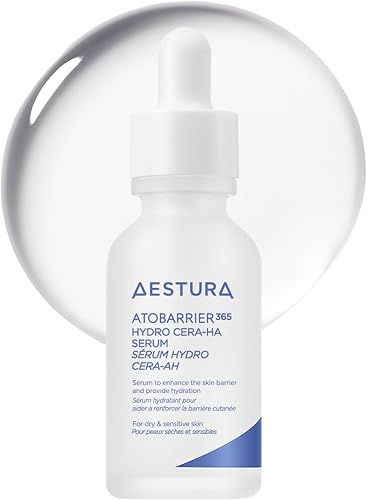
AESTURA ATOBARRIER365 Hydro CERA-HA Serum — ceramide-flooding for tight donor sites
AESTURA is the dermocosmetic line developed by Korea’s Amorepacific group and is recommended by Korean dermatologists for atopic and post-procedural skin. The CERA-HA serum pairs five ceramides with multi-weight hyaluronic acid and niacinamide in a watery, non-tacky base—ideal as a first layer under The Concentrate on graft sites that feel glassy and tight by mid-afternoon. The fragrance-free formula means you can use it on facial grafts under pressure garments without irritation buildup. Check AESTURA ATOBARRIER365 Hydro CERA-HA on Amazon.
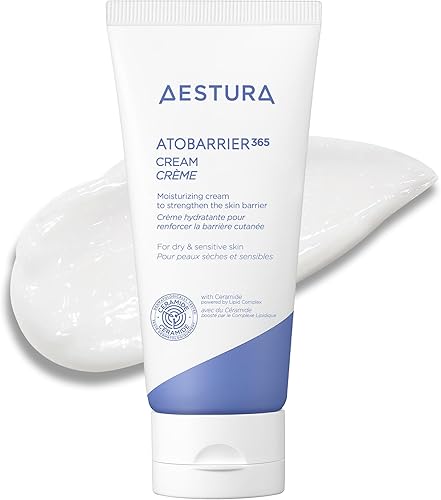
AESTURA ATOBARRIER365 Cream — the larger-surface companion
For burn survivors managing graft tightness across the chest, back, or limbs, the cream version of the same line gives you ceramide-capsule occlusion at a sensible per-ounce cost. It layers cleanly beneath silicone scar gels and under compression garments, and the texture is soft enough to spread over fragile new skin without pulling. Many survivors keep the cream on the body and reserve The Concentrate for facial grafts. Check AESTURA ATOBARRIER365 Cream on Amazon.
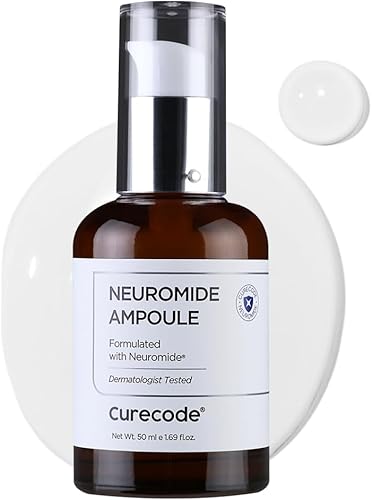
CURECODE Neuromide Ampoule — neuro-ceramide support for itchy, immature scars
CURECODE was founded by a Korean dermatology professor and built around “neuromide”—a ceramide-precursor complex aimed at the itch-prone, barrier-disrupted skin profile that grafts share with atopic dermatitis. For survivors whose grafts itch and tighten in alternating waves, layering this ampoule before The Concentrate at night is a gentler option than introducing actives like retinol or AHAs (which most scar teams discourage on immature grafts anyway). Check CURECODE Neuromide Ampoule on Amazon.
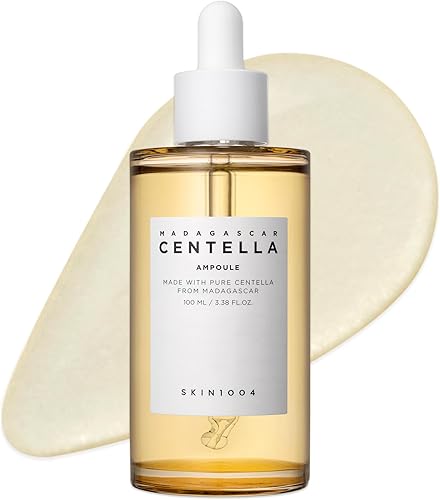
SKIN1004 Madagascar Centella Ampoule — the calming layer
Centella asiatica is the most-studied botanical in scar care, with decades of research on its asiaticoside and madecassoside content. SKIN1004 uses 100% centella extract as the base of this ampoule, with no added fragrance or essential oils. It does not visibly flatten scars, but it takes the edge off the hot, prickly sensation many survivors get when grafts are exposed to wind or sun. Used as a morning first step, it leaves enough slip for The Concentrate to spread without pressure. Check SKIN1004 Madagascar Centella Ampoule on Amazon.
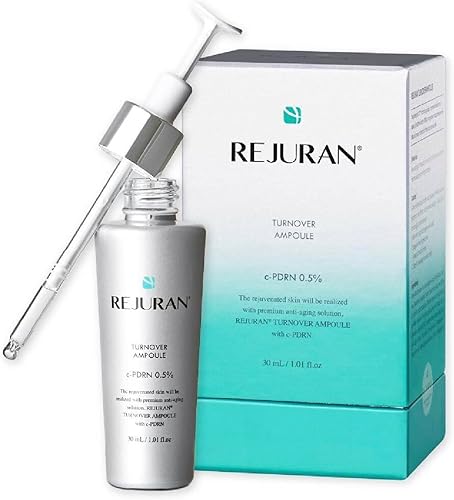
REJURAN Turnover Ampoule — PDRN for mature graft skin
REJURAN is the take-home topical sibling of the clinic-administered salmon-DNA PDRN treatments used in Korean aesthetic dermatology. On mature, fully closed grafts (think year one and beyond, with clinic approval), survivors use it to support cell turnover and ease the leathery feel that some grafts develop long-term. It is not for fresh grafts and not a substitute for scar therapy, but it slots neatly under The Concentrate once your skin can tolerate slightly more active formulas. Check REJURAN Turnover Ampoule on Amazon.
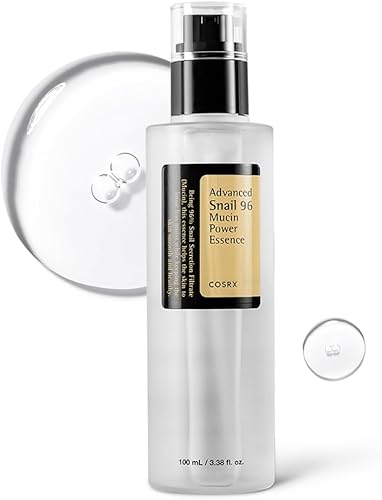
COSRX Snail Mucin 96% — the budget repair serum survivors keep nearby
Snail secretion filtrate has a quietly impressive evidence base for wound healing and post-laser comfort. COSRX’s formula is 96% mucin with a short ingredient list, no fragrance, and a viscous-but-fluid texture that suits tight skin. Many burn survivors keep it as a stretch-out layer between The Concentrate and a heavier night cream, especially on facial grafts where lecithin alone is not quite enough. Check COSRX Snail Mucin 96% on Amazon.
How these picks compare for graft-tightness routines
| Product | Best for | Texture | When to use | Notes |
|---|---|---|---|---|
| AESTURA CERA-HA Serum | Daily ceramide flooding | Watery, non-tacky | Morning and night, under The Concentrate | Fragrance-free, derm-developed |
| AESTURA ATOBARRIER365 Cream | Larger body surfaces | Soft, spreadable | Night, after serums | Pairs with pressure garments |
| CURECODE Neuromide | Itch + tightness combo | Light ampoule | Night | Neuro-ceramide complex |
| SKIN1004 Centella | Hot, reactive grafts | Watery essence | Morning, before The Concentrate | 100% centella base |
| REJURAN Turnover | Mature, leathery grafts | Light fluid | Night, year-one onward | Salmon-DNA PDRN; clinic approval first |
| COSRX Snail Mucin 96% | Mid-layer comfort | Viscous gel | Either, between serum and cream | Wide-availability budget option |
Application technique matters more than the bottle
Across burn-survivor communities, the single biggest determinant of skincare success is not which luxury product you buy but how you apply it. Grafts and surrounding scar tissue do not enjoy the slap-and-rub application that conventional beauty content models. Warm three to five drops between clean palms for ten seconds, press them into the graft with flat hands, and hold for a beat before lifting. Avoid circular massage on immature scars unless your occupational therapist has specifically taught you a desensitization protocol. Sunscreen is non-negotiable on graft skin—new tissue burns and hyperpigments easily for at least eighteen months.
If you are building a wider routine around The Concentrate, our broader walkthrough of a luxury Korean skincare routine shows how essences, ampoules, and creams stack in order—though for graft skin you will typically run a shorter, slower version. Survivors evaluating other prestige creams in parallel may also want to read our notes on choosing luxury skincare products when sensitivity is the primary constraint rather than anti-aging benchmarks.
Realistic expectations for La Mer The Concentrate on graft skin
The Concentrate is a comfort and supple-feel investment, not a scar treatment. Most survivors who use La Mer The Concentrate burn survivors skin graft tightness routines for at least eight weeks report softer-feeling grafts, fewer mid-day tightness episodes, and easier pressure-garment tolerance. They do not report flatter scars, lighter pigmentation, or restored sweat function—because no topical can do those things on its own. Pair The Concentrate with the silicone therapy, compression, and clinic follow-ups your team prescribed; treat it as the moisturizing layer that makes the rest of that program more livable.
Frequently Asked Questions
Is La Mer The Concentrate safe on healing skin grafts?
It is generally tolerated on fully closed, fully epithelialized grafts thanks to its fragrance-free formulation, but “safe” depends on your specific graft, depth, and timeline. Open, weeping, or scabbing areas should be managed only with what your burn clinic prescribed. Once your surgeon clears richer skincare, patch test on a small section of graft for at least seventy-two hours before applying widely.
How long until La Mer The Concentrate softens skin-graft tightness?
Most users notice an in-the-moment difference in the supple feel of the graft within minutes, but durable improvements in how the graft feels across the day tend to appear around weeks four to eight of consistent twice-daily use. Tightness that persists despite consistent moisturizing usually points to scar contracture rather than dryness, and contracture is an occupational-therapy and surgical question, not a skincare one.
Can I layer The Concentrate with my prescribed silicone scar gel?
Generally yes, in sequence rather than mixed. Most scar clinics recommend silicone as the last step at night because the film needs to stay on the skin to function. Apply The Concentrate first, let it absorb fully (around two to three minutes), then apply silicone gel on top. Confirm the order with your own clinician—some prefer silicone first under occlusion.
What is a more affordable alternative if La Mer is out of reach?
For burn survivors managing large graft surfaces, AESTURA ATOBARRIER365 Cream and the CERA-HA serum offer ceramide-rich, fragrance-free care at a fraction of the per-ounce cost. They are pharmacy-grade Korean products commonly recommended for atopic and post-procedural skin. Many survivors use them on the body and reserve La Mer for the face, which is a sensible budget compromise.
Will The Concentrate help with hypertrophic or keloid scars?
No. Hypertrophic and keloid scars require silicone therapy, compression, intralesional injections, or surgical revision—none of which a moisturizer can replicate. The Concentrate may make those scars feel less tight and look slightly less dry, but it will not change their height, color, or stiffness. Keep working with your scar clinic for the medical side.
Does La Mer The Concentrate help with the itching that comes with healing grafts?
Some survivors find that keeping graft skin well hydrated reduces the prickly, dry-driven component of itch, and The Concentrate does that reasonably well. However, neuropathic itch—the kind that comes from nerve regeneration in healing grafts—does not always respond to topical moisturizers and may need a prescription approach. CURECODE’s neuromide ampoule layered underneath is a gentler add-on if dryness-itch is the dominant pattern.
Can I use vitamin C or retinol over my graft alongside The Concentrate?
Most burn clinics advise against introducing strong actives like retinoids, AHAs, or high-strength vitamin C on immature grafts for at least twelve to eighteen months, and sometimes longer for darker phototypes prone to post-inflammatory hyperpigmentation. Once your team approves them, introduce one active at a time, well below conventional strengths, and always with The Concentrate or a similar emollient as a buffer layer.
Key Takeaways
- Choosing the right La Mer The Concentrate burn survivors skin graft tightness means matching capacity and output ports to your actual devices
- Always check actual watt-hours (Wh), not just watts — runtime depends on Wh, not peak output
- Also covers: La Mer Concentrate for burn scar softening
- Also covers: luxury serum for skin graft pliability
- Also covers: La Mer for post-burn facial recovery
- Compare price-per-Wh across models to find the best value for your budget