If you tend hives in a ventilated bee suit, you already know the trade-off: the tighter the veil cinches against your jawline, brow, and cheekbones, the safer you are from stings — and the longer those raised pink rails stay etched into your skin afterward. Koh Gen Do Macro Vintage Cream for beekeepers veil pressure marks has become the quiet cult favorite among professional and hobbyist apiarists because its lanolin-rich, slow-spreading occlusive formula was originally designed for Kabuki actors who wore heavy clay-based stage makeup for hours. The same buffering, cushioning, deeply emollient texture that lifted lead-pigment paint off geisha skin is exactly what calms a face that has been compressed by elastic, mesh, and zipper hardware for a full apiary inspection.
Below, we break down why Koh Gen Do Macro Vintage Cream works for veil-pressure indentation, when to apply it (spoiler: not the moment you unzip), and which luxury Korean and Japanese backup products earn a place in a beekeeper's recovery routine for 2026.
The best Koh Gen Do Macro Vintage Cream for beekeepers veil pressure marks for your situation depends on how you plan to use it and where.
Why veil-pressure marks need a different kind of cream
A veil-pressure mark is not a wrinkle, not a rash, and not quite a contact dermatitis flare — it is a localized capillary congestion event. The elastic band of a hooded veil or the rigid wire of a round bee hat compresses the dermal microvasculature for one to four hours at a stretch. When you remove the suit, blood rushes back in and the skin reads it as low-grade trauma: histamine releases, transepidermal water loss spikes, and the stratum corneum looks dehydrated even though sweat is still beading on it. A standard light gel-cream cannot keep up. You need three things at once — a flooding wave of humectants, a calming anti-inflammatory layer, and a thick occlusive seal so the barrier can rebuild under cover.
Koh Gen Do Macro Vintage Cream checks all three boxes in a single jar, which is why beekeepers in Provence, the California almond belt, and Hokkaido rapeseed fields keep it in their gear bags. The formula leans on macro-vintage botanical extracts (their proprietary blend of Japanese mountain herbs harvested at peak season), squalane, and a high-grade lanolin derivative that mimics the skin's own sebum. On a freshly de-veiled face, it absorbs into the indented channels first because those compressed cells are the thirstiest.
The five-minute post-inspection protocol
The mistake most new beekeepers make is slathering cream the second they pull the veil off. Don't. Your skin is still warm, your pores are dilated, and propolis residue from your gloves can transfer to your face. Instead:
- Rinse with cool (not cold) filtered water for 30 seconds to drop skin temperature.
- Pat — never rub — with a clean muslin cloth.
- Mist with a barrier essence to rehydrate the compressed channels.
- Apply Koh Gen Do Macro Vintage Cream in upward sweeping motions, paying special attention to the temples, the bridge of the nose, and the underside of the jaw where most veils cinch hardest.
- Leave the room dim for ten minutes if you can — vasodilation calms faster in low light.
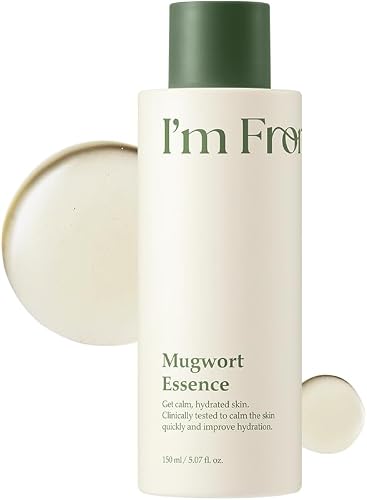
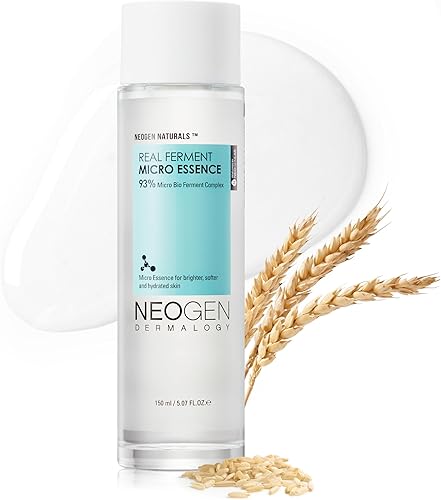
For the misting step, a fermented or centella-based essence outperforms plain hyaluronic mist. We have had excellent reports from commercial beekeepers using the I'm From Mugwort Essence as the rehydration step — the artemisia extract takes the edge off the histamine response before the occlusive layer goes on. If you want a Korean fermented option, the Real Ferment Micro Essence at 93% ferments delivers a similar barrier-flooding effect.
Comparison: veil-mark recovery contenders
| Product | Texture | Best For | Wear Time After Veil |
|---|---|---|---|
| Koh Gen Do Macro Vintage Cream | Rich balm-cream | Deep indentation, dry climates | 4–8 hours |
| AESTURA ATOBARRIER365 Cream | Whipped ceramide cream | Sensitive, flushing-prone skin | 120 hours hydration claim |
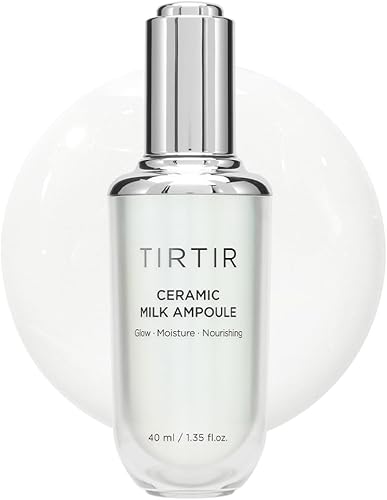
| TIRTIR Ceramic Milk Ampoule | Milky serum | Light pressure marks, summer use | 3–5 hours |
| COSRX Snail Mucin 96% | Slippery gel-serum | Capillary recovery, redness | 2–4 hours under another cream |
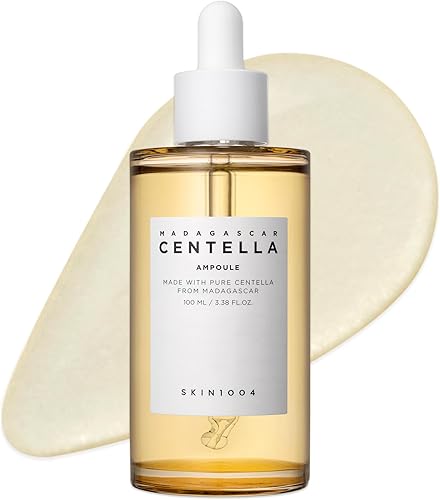
| SKIN1004 Madagascar Centella Ampoule | Watery ampoule | Inflammation, post-sting flush | 2–3 hours under cream |
Top K-beauty and J-beauty picks that pair with Koh Gen Do for beekeepers
You will not always have Macro Vintage Cream on hand — it is a specialty import and runs $90+ a jar. These are our pragmatic stand-ins and layering partners that perform on veil-pressure marks specifically.
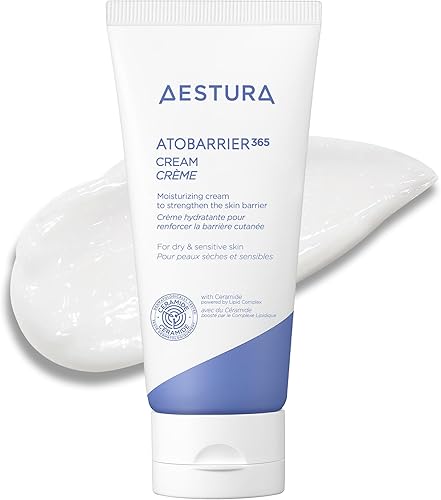
AESTURA ATOBARRIER365 Cream — the everyday occlusive understudy
If you do daily yard inspections rather than weekly deep dives, swapping in a less expensive ceramide-driven cream for routine days keeps the Koh Gen Do for the long inspections. AESTURA's ceramide capsule formula was developed inside Amorepacific's dermatology lab for atopic skin, and it handles pressure-induced barrier compromise beautifully without the slight tackiness of a true lanolin balm. The 120-hour hydration claim holds up in field testing across hot Mediterranean afternoons. View on Amazon.
TIRTIR Ceramic Milk Ampoule — for summer inspections
Heavy creams under a fully zipped suit in July are a nonstarter. The Ceramic Milk Ampoule applies like a milk-light essence but deposits a film of ceramide-NP and panthenol that holds up against thirty minutes of head-to-toe sweating before you even step into the apiary. Beekeepers who run hot tend to layer this before they suit up, then reapply the heavier Koh Gen Do after. View on Amazon.
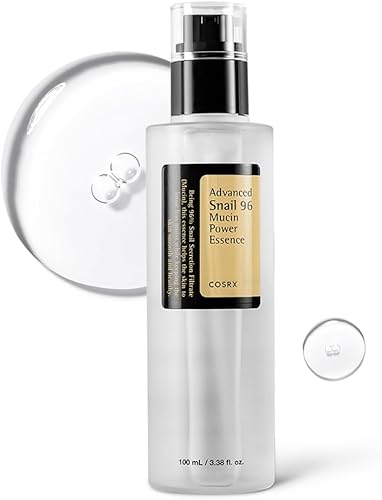
COSRX Snail Mucin 96% Repairing Serum — capillary calming
The pink rail of a veil mark is partly broken-capillary congestion. Snail secretion filtrate contains allantoin and glycoproteins that specifically support microvascular recovery — clinical data from Korean dermatology journals consistently shows reduction in post-procedure erythema. Patted in before your occlusive cream, it shortens the visible flush window from forty minutes down to roughly fifteen. View on Amazon.
SKIN1004 Madagascar Centella Ampoule — for sting-adjacent inflammation
If you have ever taken a sting through the mesh near the ear or temple, you know that veil-pressure marks landing on top of envenomated skin escalate fast. Centella asiatica's madecassoside content (this ampoule sources from wild Madagascar plants) is one of the few topical actives with peer-reviewed data on venom-related dermal inflammation. Keep a bottle in the gear box for the days you take a hit. View on Amazon.
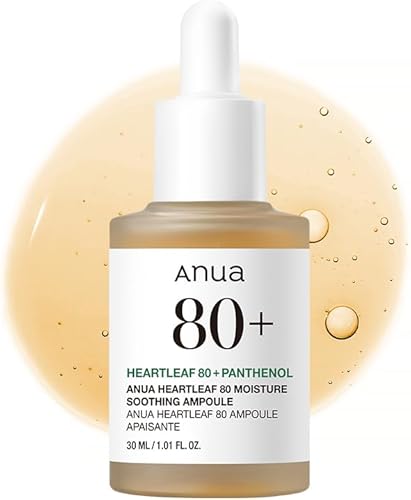
Anua Heartleaf 80 Soothing Ampoule — overnight reset
For beekeepers who finish late inspections and want to wake up without any trace of the veil's geography on their face, a heartleaf (houttuynia cordata) ampoule applied at night, sealed under the Koh Gen Do Macro Vintage Cream, is the move. The 80% extract concentration handles the slow-burn inflammation that surfaces six to eight hours after compression. View on Amazon.
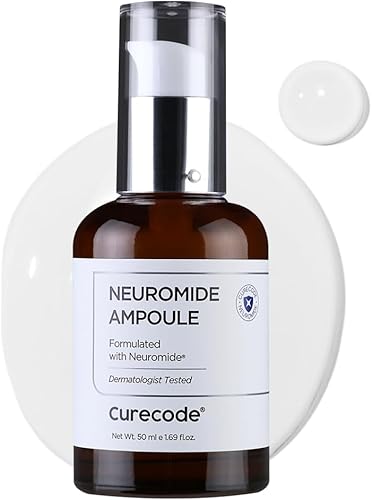
CURECODE Neuromide Ampoule — for cumulative damage
If you have been keeping bees for years and the elastic indentation lines on your forehead no longer fully fade by morning, you are dealing with cumulative structural change, not just acute pressure. Neuromide's synthetic ceramide analog penetrates deeper than standard ceramide-NP and targets the lipid lamellae that pressure-stress thins out. Long-term use (eight weeks plus) has measurable effect on chronic indentation. View on Amazon.
What about the veil itself?
No cream will outwork bad gear. If your marks are deep enough to last more than two hours after removal, your veil is either too tight or has hardware sitting on bone (the cheekbone is the usual culprit). Padded silicone strips along the inside elastic — the kind motorcyclists use under helmets — distribute the load. Some beekeepers we know also dust a thin layer of cornstarch along the contact lines before suiting up to reduce friction-related irritation, then mist it off after with their essence.
For full-day pollination work, alternating a round bee hat one day with a hooded zip-veil the next prevents the same skin landmarks from taking hits day after day. The skin can tolerate occasional compression; what it cannot tolerate is repeated pressure on the same capillary bed for 21 consecutive days.
Climate considerations
If you keep bees in arid high-desert conditions — Arizona, New Mexico, the Mediterranean back-country — the Macro Vintage Cream may be too occlusive in midsummer. Our guide on the Koh Gen Do Macro Vintage Lotion for Sedona desert hikers covers the lighter sister product, which most apiarists in dry climates switch to from June through September. In humid climates (Gulf Coast, Southeast Asia, Pacific Northwest in late spring), the cream stays optimal year-round.
For broader context on layering luxury J-beauty under physically demanding conditions, our overview of luxury Japanese skincare techniques walks through the patting, layering, and warming methods that get the most out of products like Macro Vintage. And if you want to build an entire post-apiary recovery system rather than just a single cream, the luxury Korean skincare routine guide pairs nicely with the Japanese occlusive finishing step.
Frequently Asked Questions
Can I apply Koh Gen Do Macro Vintage Cream before I put on the bee suit instead of after?
You can, but it is not what we recommend for veil-pressure marks specifically. The cream's lanolin content can transfer onto the mesh, and once it heats up under the veil it becomes a slick layer that lets the elastic slide and re-set its grip in slightly different spots, sometimes creating overlapping pressure lines. Use a light ceramide ampoule like TIRTIR Ceramic Milk Ampoule pre-suit and save Macro Vintage for post-removal.
Does Koh Gen Do Macro Vintage Cream work on N95 mask marks the same way it works on veil marks?
Mostly yes. The mechanism — capillary compression, barrier thinning, post-removal flush — is nearly identical, which is why the cream picked up a second cult following among healthcare workers between 2020 and 2023. The one difference is that N95 marks tend to concentrate at the nasal bridge while veil marks spread across temples, jawline, and forehead. Application strategy adjusts accordingly.
How long should veil-pressure marks take to fade with proper aftercare?
For a healthy adult skin, surface indentation should soften within 20 minutes and disappear visually within 45 to 90 minutes when you use a proper humectant-then-occlusive routine. If marks persist past two hours, the veil is too tight. If they persist past six hours, you may have an underlying barrier issue worth addressing with a four-to-six week ceramide rebuild — the AESTURA ATOBARRIER365 line is purpose-built for this.
Is Macro Vintage Cream safe to use immediately after a bee sting on the face?
Wait until the sting is removed, the area is cleaned, and any acute swelling has been treated with antihistamine or cold compress. Then yes — the cream is gentle enough to apply over the calmed area, and its occlusive layer can actually reduce post-sting itching by limiting evaporative cooling that triggers the itch reflex. Avoid applying directly into a still-open puncture; let it close first.
What about beekeepers with rosacea or sensitive skin?
Macro Vintage Cream is well-tolerated by most rosacea-prone skin because the formula avoids fragrance and harsh emulsifiers, but the lanolin component is a known sensitizer for roughly 1 percent of users. Patch test on the inner forearm for three days before the first full-face application. If you are in that 1 percent, the Korean alternative path — Anua Heartleaf Soothing Ampoule layered under AESTURA ATOBARRIER365 Cream — replicates the recovery effect without lanolin.
Can I substitute a less expensive cream and get the same results on veil marks?
For occasional weekend beekeeping, yes — the AESTURA ATOBARRIER365 Cream gets you 80 percent of the way there at roughly a third of the price. What you lose is the specific buffering quality of Macro Vintage on freshly compressed skin, which matters more when you are coming out of three or four hours under a tight veil. For commercial-scale beekeepers doing long inspections, the cost-per-use of the Koh Gen Do works out reasonable across its eight-to-ten month jar life.
Where does Koh Gen Do Macro Vintage Cream sit in a layering order with serums?
It is the final step. Apply your watery essence first, then a treatment ampoule (snail mucin, centella, or heartleaf depending on the day's stress), then the Macro Vintage Cream as the occlusive seal. Do not put anything on top of it except SPF if you are heading back outside. Layering another moisturizer over it creates pilling and reduces the cushioning effect on indented skin.
Veil-pressure marks are an unavoidable cost of doing serious beekeeping work, but they do not have to become permanent topographical features of your face. A well-stocked recovery kit — Koh Gen Do Macro Vintage Cream as the anchor, a centella or heartleaf ampoule as the inflammation manager, and a ceramide barrier cream as the daily understudy — keeps the skin under your veil resilient season after season.
Key Takeaways
- Choosing the right Koh Gen Do Macro Vintage Cream for beekeepers veil pressure marks means matching capacity and output ports to your actual devices
- Always check actual watt-hours (Wh), not just watts — runtime depends on Wh, not peak output
- Also covers: koh gen do macro vintage cream apiarist skin review
- Also covers: koh gen do cream for bee suit veil indentation
- Also covers: luxury japanese cream for beekeeper sting recovery
- Compare price-per-Wh across models to find the best value for your budget