If you are researching History of Whoo Gongjinhyang Seol Cream lupus malar rash care, the short answer is this: the cream is a luxury Korean hanbang (herbal) moisturizer formulated around fermented ginseng, deer antler, and a warming oil blend. It is designed for mature, fragile, dehydrated skin, not as a medical treatment for lupus. For people with cutaneous lupus erythematosus who experience butterfly-pattern malar flushing, the Seol Cream's appeal is its rich occlusive finish, fragrance-controlled hanbang base, and barrier-supporting lipids that can make the cheeks feel less tight, less stingy, and visually calmer between flares. It will not stop a flare, replace hydroxychloroquine, or substitute for SPF, but used carefully it can sit at the comfort end of a dermatologist-supervised routine.
Below we walk through how the formula behaves on inflamed cheeks, when to layer it (and when to skip it), and which gentler Korean and Japanese options can sit underneath or replace it during an active flare. A quick affiliate disclosure: product links are Amazon affiliate links, and we only recommend formulas that fit a sensitive, autoimmune-aware routine.
Why People With Lupus Malar Rash Look at Whoo Seol Cream
The malar rash of systemic and cutaneous lupus erythematosus is a photosensitive, immune-mediated inflammation that crosses the bridge of the nose and spreads over both cheekbones. During a flare the skin tends to be hot, tight, and reactive to almost anything; between flares it can be paper-thin, dehydrated, and prone to stinging from actives the rest of the face tolerates. That post-flare phase is where a heavier hanbang cream like Gongjinhyang Seol earns its reputation. The texture is dense and balm-like, the slip is generous, and the formula leans on plant oils and ferments rather than the menthol, alcohol, or strong essential oils that often trigger reactive cheeks.
What people with the History of Whoo Gongjinhyang Seol Cream lupus malar rash use case usually want is three things at once: rich occlusion to lock in a serum, ingredients that do not sting on broken or thin skin, and a finish that does not look powdery on top of mineral SPF. Seol Cream answers the first two reliably. The finish is dewy and a little tacky, which is good for dry climates but heavy under makeup, so most users pat it on at night and use a lighter ceramide cream during the day under sunscreen.
What the Formula Actually Does on Reactive Cheeks
Seol Cream is not a clinically tested lupus product, and History of Whoo makes no medical claims. What the formula does contain that matters for thin, post-inflammatory skin is a fermented ginseng (Cheonsamdan) complex, deer antler extract, and a panel of warming traditional Korean medicine herbs suspended in a rich emulsion. In practical terms on a quiet lupus face this translates to: less tightness after cleansing, a softer feel by morning, and visibly less flaky texture across the malar area within a few nights of consistent use. It does not bring down redness from an active flare; nothing topical and non-prescription will.
Two cautions specific to autoimmune skin. First, the cream is fragranced with hanbang botanicals, and a small percentage of users with severely reactive skin can find that warming. Patch test a pea-sized amount on the jaw for three nights before going across the cheeks. Second, deer antler and ginseng are traditionally considered "warming" ingredients in hanbang philosophy. There is no good evidence this affects autoimmune activity, but if you find your cheeks feel hotter rather than calmer after a week, switch to a cooler ceramide cream and reserve Seol Cream for the neck and jawline.
When to Use It, When to Skip It
Use Seol Cream at night, on quiet skin, two to three times per week initially, layered over a soothing essence. Skip it entirely during an active flare with heat, weeping, or new lesions; that is a phase for bland, fragrance-free barrier creams and a phone call to your rheumatologist or dermatologist. Skip it as a daytime base under SPF if you live somewhere humid, since the slip can pill under mineral zinc sunscreens, which most lupus patients are advised to wear daily. A lighter ceramide moisturizer is better for the morning shift.
For broader context on layering richer creams into a Korean routine without overloading reactive skin, the luxury Korean skincare routine overview walks through how the heaviest step belongs at the very end of the night sequence.
Comparison: Seol Cream vs. Gentler Korean Cream Alternatives
| Product | Finish | Fragrance | Best For |
|---|---|---|---|
| History of Whoo Gongjinhyang Seol Cream | Rich, dewy, tacky | Hanbang herbal | Quiet post-flare nights, dry climates, mature skin |
| AESTURA ATOBARRIER365 Cream | Light, soft, matte-satin | Fragrance-free | Active flare phase, daytime under SPF, very reactive skin |
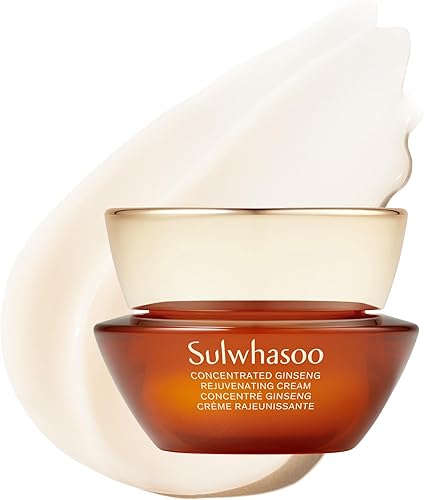
| Sulwhasoo Concentrated Ginseng Rejuvenating Cream | Rich, balm-like | Ginseng-forward | Mature lupus skin, deep wrinkles, hanbang lovers |
| CURECODE Neuromide Ampoule | Watery serum | Fragrance-free | Layering under any cream during sensitive phases |
| Anua Heartleaf 80 Soothing Ampoule | Light essence | Minimal | Calming step before cream during gentle flares |
Recommended Products to Build Around Seol Cream
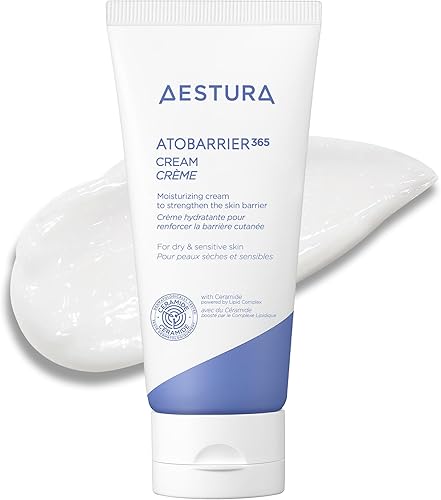
AESTURA ATOBARRIER365 Cream — the daytime substitute
For mornings, or during a flare when Seol Cream feels too rich, AESTURA's ATOBARRIER365 is the cream most dermatologist-recommended Korean lines lean on for compromised, atopic, and barrier-disrupted skin. It is fragrance-free, ceramide-capsule based, and sits cleanly under mineral SPF, which is the non-negotiable last step in any lupus routine. It also does not pill under tinted zinc sunscreens the way richer hanbang creams sometimes do. Check AESTURA ATOBARRIER365 Cream on Amazon.
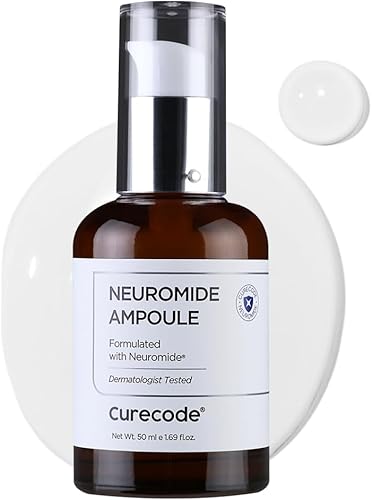
CURECODE Neuromide Ampoule — the underlayer for thin malar skin
CURECODE's Neuromide ampoule was formulated specifically for dry, sensitive, and barrier-broken skin and pairs unusually well under heavier creams. On post-flare cheeks where the skin still feels paper-thin, pat a few drops over the malar area first, wait sixty seconds, then layer Seol Cream on top. The ampoule's neuromide and ceramide blend gives the heavier cream something to bind to, so less of it sits on the surface and feels warming. Check CURECODE Neuromide Ampoule on Amazon.
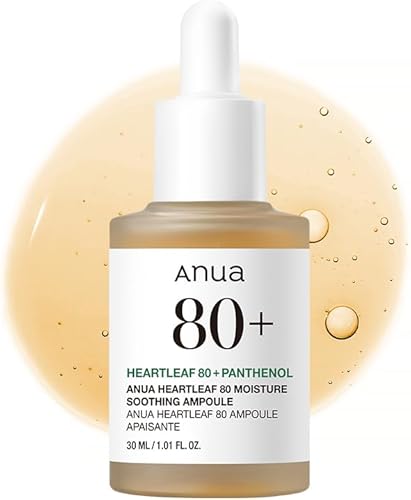
Anua Heartleaf 80 Soothing Ampoule — calming step during gentle flares
Houttuynia cordata (heartleaf) is one of the few botanical actives that consistently sits well on reactive autoimmune skin without the sting that centella alcohol-extract formulas sometimes carry. Anua's version is 80 percent heartleaf, lightweight, and a useful first essence on days when the cheeks feel warm but not actively flaring. It does not replace medication; it just makes the rest of the routine feel more tolerable. Check Anua Heartleaf 80 Soothing Ampoule on Amazon.
Sulwhasoo Concentrated Ginseng Rejuvenating Cream — the hanbang alternative
If you love the hanbang philosophy behind History of Whoo Gongjinhyang Seol Cream lupus malar rash support but find Seol Cream too warming, Sulwhasoo's Concentrated Ginseng Rejuvenating Cream is the obvious cross-shop. It uses a different ginseng saponin process and a slightly lighter occlusive load, which some lupus users tolerate better. The fragrance is still present and ginseng-forward, so patch-test first. For a deeper read on this line specifically, see the Sulwhasoo Concentrated Ginseng Renewing Cream review. Check Sulwhasoo Concentrated Ginseng Rejuvenating Cream on Amazon.
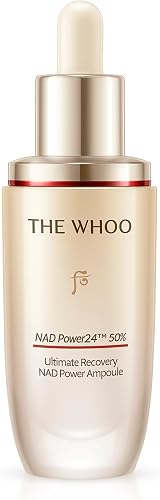
THE WHOO Ultimate Recovery NAD Power Ampoule — for thinning malar skin
If you want to stay inside the History of Whoo line, the brand's NAD+ Power Ampoule is the serum companion most often paired with Seol Cream for mature, thinning skin. It is heavier than a typical Korean serum but designed to layer cleanly under the Whoo creams, and on quiet post-flare days it can help the malar area look less crepey under makeup. Skip it during active inflammation. Check THE WHOO Ultimate Recovery NAD Power Ampoule on Amazon.
A Realistic Routine Around the Cream
A sensible nighttime routine for someone managing cutaneous lupus and curious about Seol Cream might look like: gentle low-pH cleanser, a soothing essence or ampoule (Heartleaf or Neuromide), Whoo NAD Ampoule if the skin tolerates it, and finally Seol Cream patted across cheeks, neck, and decolletage. Mornings should stay much simpler: hydrating toner, ceramide serum, AESTURA cream, and a tinted mineral SPF 50. Actives that the rest of your face might love — retinol, vitamin C at high strengths, AHAs, BHAs — should generally stay off the malar area until your rheumatologist or dermatologist signs off. Even niacinamide can occasionally sting freshly flared skin.
For an overview of how to think about building any luxury sensitive-skin routine from scratch, the guide to choosing the right luxury Korean skincare routine covers sequencing, patch-test cadence, and how to evaluate whether a hanbang formula is right for your skin type.
Important Medical Note
Lupus is a systemic autoimmune disease, and the malar rash is one visible symptom of activity that often correlates with internal flares. No cream, including the History of Whoo Gongjinhyang Seol Cream, treats lupus. Any new product introduced near an active flare should be discussed with your rheumatologist or dermatologist, and any sudden change in your malar rash, especially with joint pain, fatigue, or fever, is a reason to call your medical team rather than reach for a moisturizer.
Frequently Asked Questions
Is History of Whoo Gongjinhyang Seol Cream safe to use on a lupus butterfly rash?
It is generally well tolerated on quiet, non-flaring lupus skin because it is fragrance-controlled and free of common irritants like alcohol denat and menthol. It is not safe to assume it is safe during an active flare, when even bland creams can sting. Patch test on the jawline for three nights, and avoid it entirely if you have weeping, crusting, or new lesions on the cheeks. It is a comfort moisturizer, not a medical treatment.
Will the fermented ginseng in Whoo Seol Cream trigger an autoimmune flare?
There is no clinical evidence that topical fermented ginseng triggers systemic lupus activity. Some patients describe a warming sensation from hanbang formulas on reactive skin, but that is a local skin response, not an immune flare. If your cheeks feel hotter rather than calmer after a week of nightly use, switch to a fragrance-free ceramide cream like AESTURA ATOBARRIER365 and reserve Seol Cream for neck and chest.
Can I wear History of Whoo Gongjinhyang Seol Cream under mineral sunscreen for daily lupus sun protection?
You can, but most users find it pills under zinc-heavy mineral SPF, which is the type lupus patients are usually told to wear. A lighter ceramide moisturizer wears better during the day, and Seol Cream is more useful as a night cream. SPF is non-negotiable for lupus regardless of which moisturizer sits under it.
What is a gentler alternative if Whoo Seol Cream feels too heavy during a malar flare?
AESTURA ATOBARRIER365 Cream is the most-recommended gentle alternative, with CURECODE Neuromide Ampoule layered underneath for very thin or compromised skin. Both are fragrance-free, barrier-focused, and dermatologist-leaning. For a soothing essence step, Anua Heartleaf 80 is one of the calmest options on the Korean market.
How does Whoo Seol Cream compare to Sulwhasoo for lupus-sensitive skin?
Both are luxury hanbang formulas with ginseng-forward fragrance. Sulwhasoo's Concentrated Ginseng Rejuvenating Cream uses a slightly lighter occlusive load and a different ginseng process, which some lupus patients find more tolerable. Whoo Seol Cream is richer and better for very dry mature skin in cold climates. Patch test either before using across the cheeks.
Should I use retinol or vitamin C on my malar area if I am using Whoo Seol Cream at night?
Generally no, and certainly not without dermatologist guidance. Lupus-affected malar skin is photosensitive and reactive, and strong actives often trigger stinging, peeling, or post-inflammatory pigment changes. If a dermatologist clears a low-strength vitamin C, use it on the forehead and chin first and keep Seol Cream as a buffering night layer over the cheeks.
Can Whoo Seol Cream help with post-inflammatory hyperpigmentation after a malar flare?
It is not formulated as a brightening product, so the answer is mostly no. What it can do is keep the post-flare skin hydrated and supple while a dermatologist-approved brightening protocol (often azelaic acid, low-strength tranexamic acid, or prescription options) works in another part of the routine. Hydrated skin generally fades pigment faster than dehydrated skin, which is the indirect benefit.
Key Takeaways
- Choosing the right History of Whoo Gongjinhyang Seol Cream lupus malar rash means matching capacity and output ports to your actual devices
- Always check actual watt-hours (Wh), not just watts — runtime depends on Wh, not peak output
- Also covers: Whoo Gongjinhyang Seol for lupus butterfly rash
- Also covers: luxury Korean cream for autoimmune facial redness
- Also covers: History of Whoo for lupus skin flares
- Compare price-per-Wh across models to find the best value for your budget