As an Amazon Associate this site earns from qualifying purchases.
If you are looking at Clé de Peau La Crème for radiation therapy recovery, you want one honest answer: yes, this rich balm-cream can be a comforting final occlusive once your oncology and dermatology team has cleared topical products for your treatment field, but it is not a medical device and should never replace prescribed barrier ointments, hydrogels, or post-radiation creams. The smartest 2026 approach is to use Clé de Peau La Crème as the final "seal" step in an otherwise minimalist, fragrance-light routine built around centella, panthenol, ceramides, and pure hyaluronic acid. This guide walks through that exact layering plan, why each step matters, and which gentle Korean and Japanese supports pair safely alongside it.
Important: radiation dermatitis is a medical condition. Always follow the cleansing and moisturizing instructions given by your radiation oncologist, radiation nurse, or onco-dermatologist. Stop any product immediately if you experience burning, weeping, or worsening redness, and bring it to your next appointment for review. The routine below is supportive context for skin that has been cleared for general moisturizers, not a treatment plan.
Finding the right Clé de Peau La Crème for radiation therapy recovery comes down to matching the features to how you will actually use it.
Why Clé de Peau La Crème suits post-radiation skin
Radiation therapy disrupts the stratum corneum, depletes lipids, and slows keratinocyte turnover in the treatment field. Skin becomes thinner, drier, more reactive, and far more prone to trans-epidermal water loss. The textbook supportive-care goals are: keep the field clean with lukewarm water and a mild non-soap cleanser, restore lipids, hold water in, and avoid friction, fragrance, essential oils, alcohol, retinoids, acids, and physical exfoliation until your team says otherwise.
- INTENSE MOISTURE & SKIN BARRIER REPAIR - Formulated with a powerful combination of Ceramide and Neuromide to deeply hydrate dry sensitive skin, effectively restoring and
- PREMIUM NIACINAMIDE GLOW & RADIANCE - Infused with high-performance Niacinamide to brighten dull skin, refine uneven skin tone, and improve overall clarity for a luminous
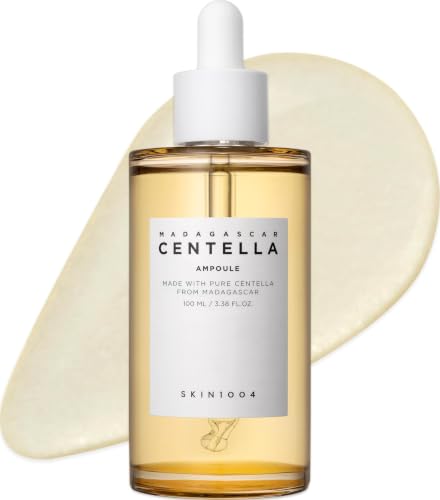
- MADAGASCAR CENTELLA AMPOULE - Formulated with pure Centella Asiatica extract sourced from Madagascar, this centella ampoule helps calm delicate skin, supports balance, and leaves
- HYDRATING SERUM WITH BARRIER CARE - This lightweight hydrating serum absorbs quickly without stickiness, replenishing moisture for lasting softness and protection
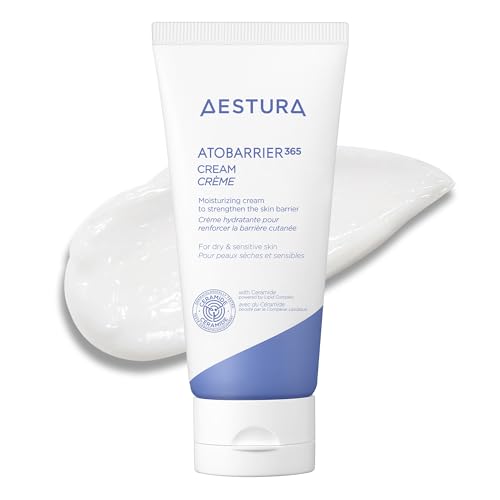
- PATENTED BARRIER-BOOSTING CERAMIDE CAPSULES: High-density ceramides are delivered to skin through unique capsule technology that help replenish moisture barrier in sensitive skin
- TRIPLE LIPID COMPLEX: A powerful blend of ceramides, fatty acids, and cholesterol helps strengthen the skin barrier, locking in moisture and protecting against external aggressors
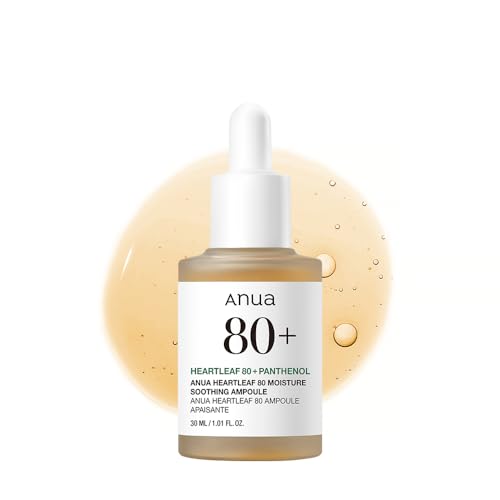
- [Soothing Hydration]Formulated with 80% heartleaf extract to help soothe skin and provide lightweight hydration, leaving skin looking fresh and healthy
- [Moisture Care]With hyaluronic acid and panthenol to help maintain hydration and support a soft, smooth, and plump-looking complexion
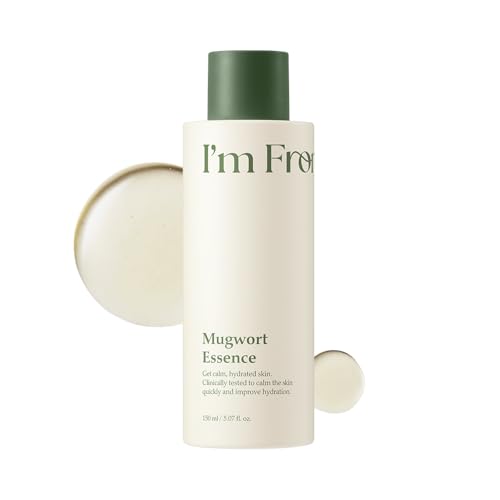
- 100% Mugwort Extract Essence: Crafted with a single plant-based ingredient to deliver gentle, calming care with a clean, minimalist formula
- Lightweight Hydration Without Stickiness: Watery texture absorbs quickly into the skin, leaving a fresh, comfortable finish suitable for daily use
Comparison: supporting layers under Clé de Peau La Crème
| Product | Role in the routine | Best for | Fragrance |
|---|---|---|---|
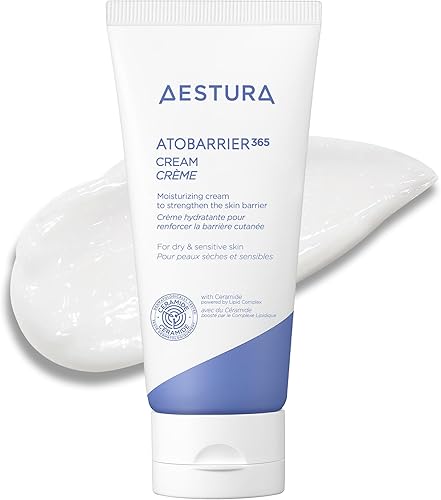
| AESTURA ATOBARRIER365 Cream | Ceramide barrier cream (step 4) | Dry, peeling treatment field | Fragrance-free |
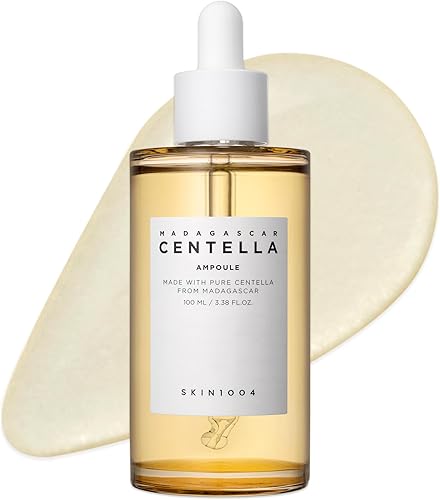
| SKIN1004 Madagascar Centella Ampoule | Calming essence (step 2) | Pink, hot-feeling skin | Fragrance-free |
| Anua Heartleaf 80 Soothing Ampoule | Hydrating soothing layer (step 2-3) | Reactive, itchy skin | Fragrance-free |
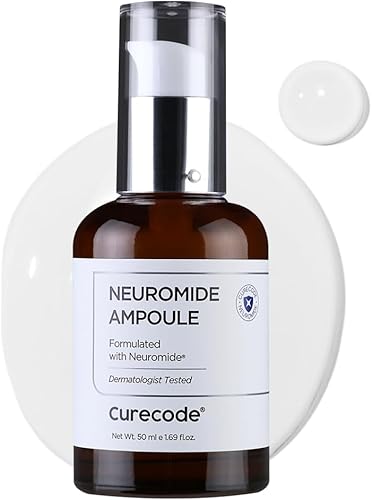
| CURECODE Neuromide Ampoule | Ceramide-precursor serum (step 3-4) | Very dry, sensitized skin | Fragrance-free |
| I'm From Mugwort Essence | Calming hanbang essence (step 2) | Tight, stinging skin | Naturally derived, low |
Clé de Peau La Crème earns its place in Clé de Peau La Crème for radiation therapy recovery conversations because its texture is built around a heavy emollient and occlusive base (silicones, plant butters, and squalane-style esters) layered with Shiseido's signature "Skin-Empowering Illuminator" complex. In practice, that means it sits like a velvet blanket on cracked, papery skin, slows water loss overnight, and feels far less greasy than petrolatum-only ointments. It is not anti-inflammatory in a clinical sense, but its quietness, lack of harsh actives, and luxurious slip make it a kinder nightly seal once the acute reaction has settled and your care team has cleared rich creams.
The gentle 2026 layering routine
Below is a low-irritation, low-step routine. Use it only on intact, non-weeping skin and only after your radiation team confirms you may apply general moisturizers in your treatment field. Patch test every new product on your inner forearm for three nights before applying near the field.
- Lukewarm rinse: splash water only, or use a fragrance-free, sulfate-free cleanser on a soft cotton pad — never a washcloth or brush.
- Calming essence (optional): a centella or heartleaf essence pressed in with clean palms.
- Hydrating serum: low-molecular-weight hyaluronic acid to draw water into the upper layers.
- Ceramide repair cream: a fragrance-free ceramide moisturizer to rebuild barrier lipids.
- Seal (PM only): a thin layer of Clé de Peau La Crème pressed (never rubbed) over the moisturizer.
- AM: swap the seal for the mineral sunscreen your team recommends, and protect the field from sun for at least 12 months post-treatment.
Gentle product picks to layer beneath the cream
AESTURA ATOBARRIER365 Cream — the ceramide cushion
This Korean-derm-favorite ceramide cream is the workhorse you apply directly before Clé de Peau La Crème. It is fragrance-free, non-comedogenic, and built around a multilamellar ceramide capsule system that mimics the skin's own lipid matrix — exactly what radiation depletes. The texture is silky rather than waxy, so it spreads on fragile skin without dragging. Layer a pea-sized amount in slow, downward presses, wait two minutes, then seal with La Crème at night. AESTURA ATOBARRIER365 Cream with Ceramides.
SKIN1004 Madagascar Centella Ampoule — pure soothing essence
A single-ingredient (100% Centella asiatica extract) ampoule with no fragrance, no essential oils, no alcohol, and no actives that would aggravate the field. Centella's madecassoside and asiaticoside fractions are some of the most-studied botanical soothers in post-procedure skincare. Press five to seven drops into damp skin as your first hydrating step. View on Amazon.
Anua Heartleaf 80 Soothing Ampoule — for hot, itchy days
Heartleaf (Houttuynia cordata) at 80% concentration delivers polyphenol-rich calming on the days the treatment field feels flushed and tight. It is watery, non-tacky, and absorbs in under a minute, which matters when you cannot rub or tap firmly. Pair it with the ceramide cream and then a thin Clé de Peau La Crème seal — this trio is one of the gentlest combinations in my Clé de Peau La Crème for radiation therapy recovery rotation. View on Amazon.
CURECODE Neuromide Ampoule — the dryness rescuer
Built around "neuromide," a ceramide-NP-related lipid, plus panthenol, this serum is designed specifically for distressed, dry, sensitized skin. It is heavier than a typical ampoule, so it works beautifully as a half-step between hydrating essence and ceramide cream when the field starts flaking. Apply only to fully intact skin. View on Amazon.
I'm From Mugwort Essence — for the tightness that wakes you up
Made from 100% Ganghwa mugwort extract simmered for hours, this essence carries a faint herbal scent rather than added fragrance. It is the layer to reach for on nights when the field feels papery and tight after a long treatment day. Many users describe an immediate "cooling quiet" effect once it absorbs. View on Amazon.
How to apply Clé de Peau La Crème without aggravating the field
Technique matters more than product on radiation-treated skin. Warm a rice-grain amount between clean fingertips for ten seconds until it turns translucent, then press — never rub — onto skin in three to five small placements (forehead, cheeks, jaw). Let body heat do the spreading. Avoid massage tools, gua sha, jade rollers, and rolling motions across the treatment field for at least three months after your final session, or longer if your team advises. If skin is still actively peeling, apply only to the surrounding intact margins, not directly over flaking areas, and defer to your prescribed dressing or barrier ointment for the field itself.
What to avoid while recovering
- Fragrance, essential oils, menthol, camphor, witch hazel, and alcohol-heavy toners.
- Retinoids, AHAs, BHAs, vitamin C at acidic pH, benzoyl peroxide, and enzyme peels.
- Physical scrubs, konjac sponges, cleansing brushes, and hot water.
- Adhesives over the field (bandages, tapes) unless prescribed.
- Direct sun on the treatment field — wear UPF clothing and broad-brim hats; reintroduce sunscreen only when cleared.
For a wider primer on how to build sensitive-skin routines around a luxury anchor cream, see our guide to building a luxury Korean skincare routine and our framework on choosing the right luxury Korean skincare routine for reactive skin states.
When (and when not) to introduce active ingredients again
Most onco-dermatology teams suggest waiting at least 8–12 weeks after the final session before reintroducing even mild actives, and only on fully re-epithelialized skin. When the green light arrives, reintroduce one product at a time, two to three weeks apart, starting with low-strength niacinamide or panthenol-rich essences before considering peptides, and saving retinoids and acids for last. The principle: rebuild tolerance the way you would after a deep procedure, not the way you would on healthy skin. Our walkthrough on using serums in luxury skincare covers the slow reintroduction logic in more detail.
Frequently Asked Questions
Can I use Clé de Peau La Crème during active radiation treatment?
Only if your radiation oncology team explicitly clears it. Many centers restrict topical products in the field to a specific list (often aqueous cream, hydrogel sheets, or prescribed barrier ointments) during treatment, partly to avoid any film that could alter the surface dose. Bring the actual jar to your next appointment and ask. If you are cleared for general moisturizers, apply La Crème only after sessions, never within four hours before, and never inside an open or weeping area.
Is Clé de Peau La Crème safe for the neck and chest during breast radiation?
The neck and décolleté are common collateral fields in breast radiation and tend to react more visibly than the breast itself. The same rules apply: clear it with your team first, keep the layer thin, and avoid any rubbing or massage. Because the décolleté is sun-exposed, ongoing diligent mineral SPF is non-negotiable for at least a year after treatment.
How does Clé de Peau La Crème compare to Crème de la Mer for radiation-damaged skin?
Both are heavy, occlusive luxury creams. Crème de la Mer leans more into its fermented Miracle Broth and a denser mineral-oil-based texture, while Clé de Peau La Crème uses a silkier silicone-emollient base that many post-treatment users find less heavy on hot skin. Neither is medicated. For a side-by-side luxury comparison see our La Mer vs La Prairie piece, which covers similar texture-vs-feel trade-offs.
What should I cleanse with on radiation-treated skin before applying La Crème?
Use a non-foaming, fragrance-free, pH-balanced cleanser, or simply lukewarm water. Avoid double cleansing on the treatment field until your dermatologist clears it — the oil-cleanse step is too much friction for fragile skin. Once cleared, our guide to double cleansing in luxury Korean skincare explains how to reintroduce it without disrupting recovery.
Can I layer hyaluronic acid serums under Clé de Peau La Crème post-radiation?
Yes, and it is often a smart pairing. A low-molecular-weight HA serum on damp skin followed by a ceramide cream and then a thin La Crème seal traps water at multiple depths. Skip HA serums that include alcohol, fragrance, or essential oils, and avoid any "booster" labeled with exfoliating acids or retinol blends.
How long after radiation can I start using anti-aging products again?
Most teams suggest 2–3 months before reintroducing peptides and niacinamide, and 4–6 months before reintroducing retinoids or acids — and only on skin that looks and feels completely normal in the field. Until then, treat the area like very recently-lasered skin: hydrate, seal, and protect. La Crème continues to be a reasonable seal during this transition window.
Are there Korean alternatives if Clé de Peau La Crème is outside my budget right now?
Yes. A fragrance-free ceramide cream like AESTURA ATOBARRIER365 layered with a thin slip of plain petrolatum on top can deliver similar barrier-sealing function at a fraction of the price. Our overview of budgeting for luxury skincare walks through where the luxury price actually adds value (sensorial, finish, longevity) versus where a clinical-style basic does the same biological job.
Will Clé de Peau La Crème clog pores during recovery?
It is rich, so on oilier untreated areas it can feel heavy. Most users in a radiation-recovery context apply it only to the dry, fragile field and stick to a lighter ceramide cream on the rest of the face. If you notice closed comedones forming on adjacent skin, shrink the application zone rather than abandoning the cream entirely.
Key Takeaways
- Choosing the right Clé de Peau La Crème for radiation therapy recovery means matching the key features to your specific needs and budget
- Read real customer reviews and check the return policy before you commit
- Also covers: Cle de Peau La Creme radiation dermatitis
- Also covers: luxury cream after breast radiation skin
- Also covers: Cle de Peau cancer patient gentle routine
- Compare value across models — the priciest option is not always the best fit